
⚡ Quick Summary
- The Mechanism: Cortisol should be high in AM, low in PM. Melatonin is the inverse.
- The Glitch: Chronic stress keeps cortisol high at night, blocking melatonin.
- The Solution: Morning light and evening fasts.
📑 Table of Contents
The Seesaw Effect
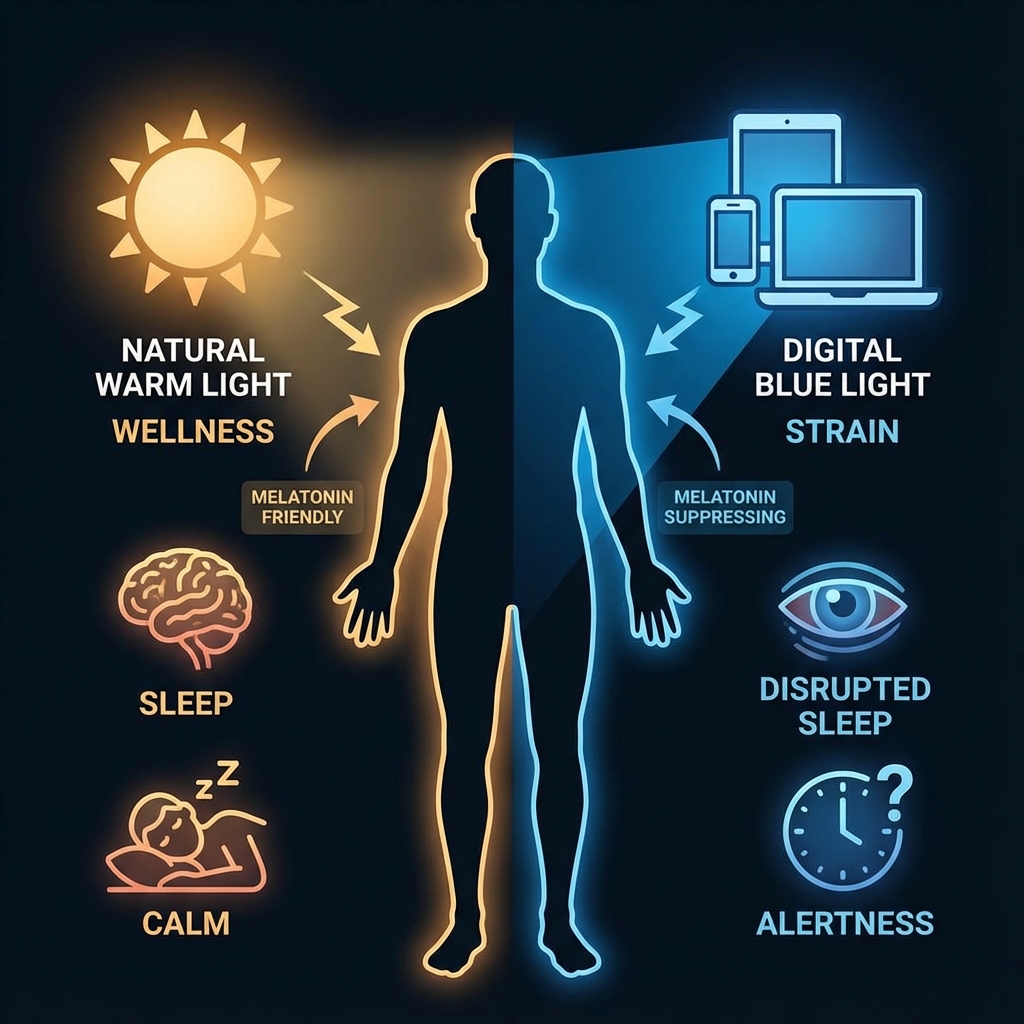
Think of these hormones as a seesaw. When Cortisol is up, Melatonin MUST be down. They cannot coexist in high quantities. Evolutionarily, cortisol says “There is a threat, stay awake.” Melatonin says “It is safe, sleep.” Modern life (emails, late snacks, <a href="/sleep-problems/why-preventing-blue-light-is-critical-for-Insomnia-relief/”>blue light) constantly triggers the “Thread” signal, keeping cortisol elevated.⚠️ When to See a Doctor
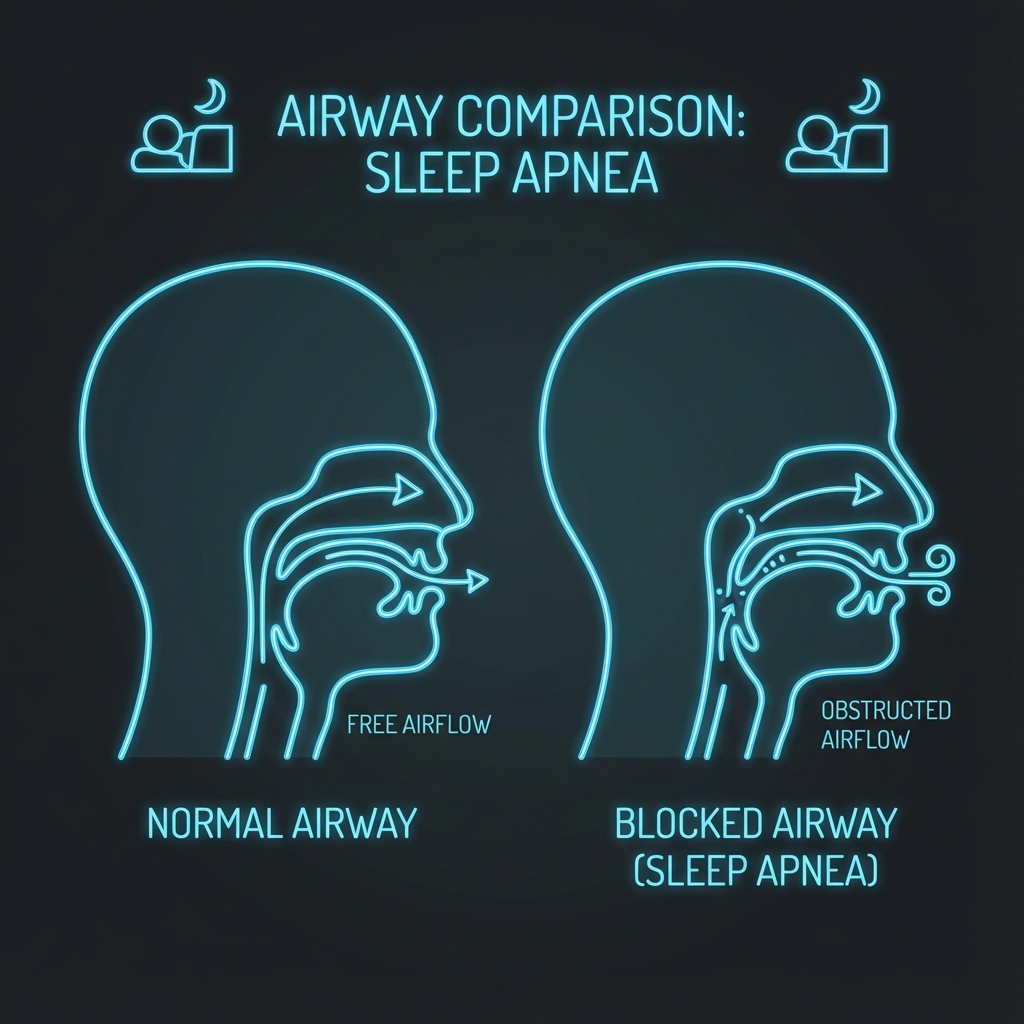
If you have tried hygiene adjustments for more than 4 weeks with no improvement, or if you gasp for air at night, please consult a specialist. These could be signs of clinical insomnia or apnea, which require medical intervention.
3 Protocols to Lower Evening Cortisol
1. The Morning Cortisol Spike: Paradoxically, you WANT high cortisol at 8 AM. Viewing sunlight within 30 minutes of waking triggers a healthy cortisol pulse, which sets a timer for it to drop 12-14 hours later. 2. Physiological Sighs: When you feel “wired” at night, do 2 short inhales through the nose, followed by one long exhale through the mouth. This mechanically offloads CO2 and lowers stress instantly. 3. Stop Late Eating: Digestion is a stressor. Eating within 3 hours of bed keeps metabolic rate and body temp high, preventing the cortisol drop.What supplements lower cortisol?
Ashwagandha and Phosphatidylserine have shown promise in clinical trials for reducing elevated cortisol, but lifestyle changes should always come first.
Does exercise raise cortisol?
Yes, acutely. This is why HIIT workouts are recommended for the morning. Late-night heavy exercise can delay sleep onset by keeping cortisol elevated.
Final Thoughts
Improving your sleep quality is a journey, not a sprint. By implementing the insights from this guide on Cortisol vs. Melatonin: How to Fix Your Broken Hormonal Switch, you are taking a crucial step towards better health. Remember, consistency is key. Sweet dreams.📚 Read More in This Series
🗣️ Readers’ Discussion: Have you tried this method? Or do you have a different trick? Leave a comment below—we read every single one.