
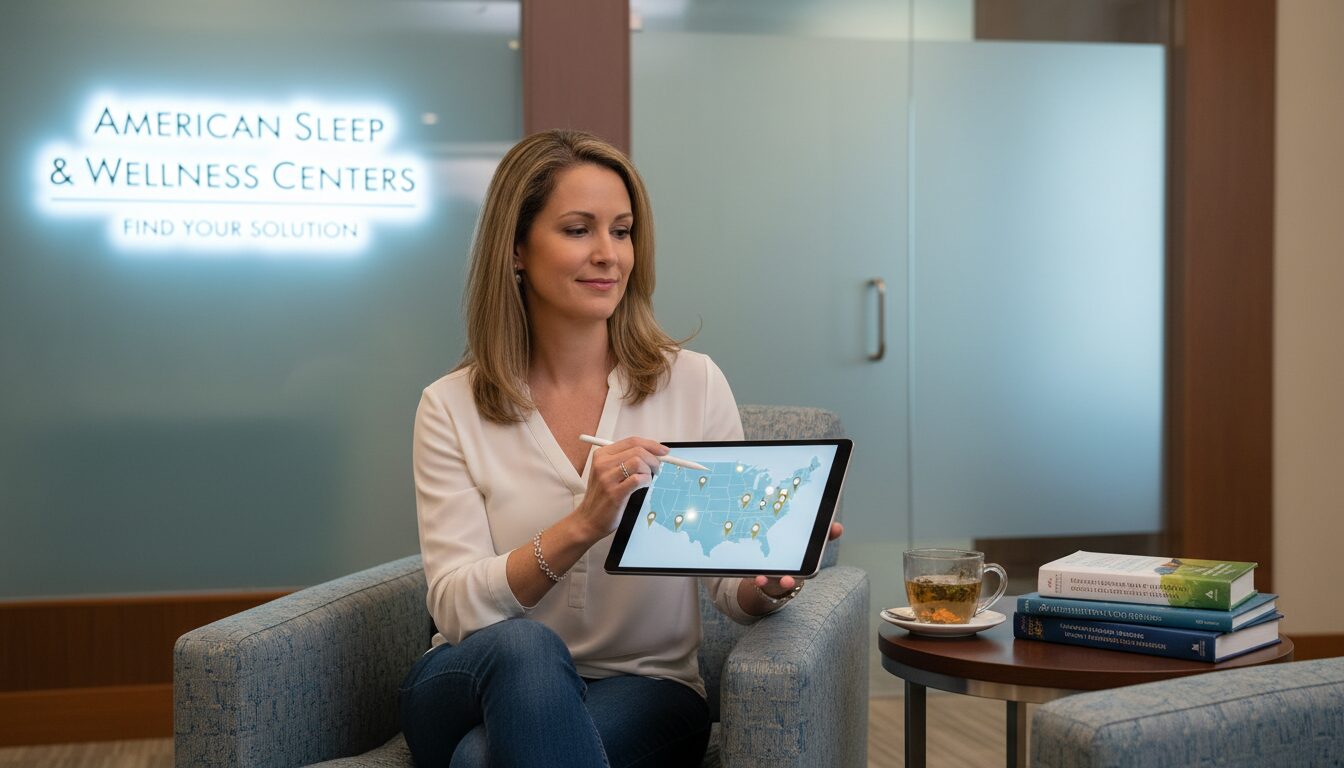
Sleep is no longer viewed as a passive state of rest; in 2026, it is recognized as the ultimate foundation of human health, cognitive performance, and emotional resilience. As the “Great Exhaustion” of the early 2020s has transitioned into a personalized health revolution, millions of Americans are seeking more than just a standard prescription. They are looking for comprehensive, data-driven solutions to insomnia, sleep apnea, narcolepsy, and circadian rhythm disruptions. With the integration of artificial intelligence in diagnostics and the rise of neuro-stimulation therapies, the landscape of sleep medicine has evolved significantly.
When you struggle with persistent fatigue or fragmented rest, navigating the vast medical landscape of the United States can be overwhelming. You must distinguish between general wellness centers and world-class clinical institutions that offer cutting-edge interventions. This guide provides an exhaustive evaluation of the top sleep clinics and doctors in America as of 2026. We examine their technological capabilities, patient satisfaction scores, and specialized areas of expertise to help you make an informed decision for your long-term health. Whether you require a high-tech overnight study in a luxury lab or a remote, AI-monitored cognitive behavioral program, the options available today are more effective and accessible than ever before.
Table of Contents
- The State of Sleep Medicine in 2026
- Mayo Clinic: The Gold Standard of Integrated Sleep Care
- Stanford Center for Sleep Sciences: Pioneers of Innovation
- Cleveland Clinic Sleep Disorders Center: Clinical Excellence
- Johns Hopkins Sleep Disorders Center: Research-Driven Results
- Mount Sinai Integrative Sleep Center: Modern Urban Solutions
- Specialized Pediatric Sleep Centers: Caring for the Next Generation
- Virtual and Remote Sleep Care: The New Frontier
- Diagnostic Technologies and Evaluation Criteria
- User Experiences and Real-World Outcomes
- Costs, Insurance, and Accessibility in 2026
- Frequently Asked Questions (FAQ)
- Key Takeaways
- Conclusion
- Central Sleep Apnea: Utilizing the latest phrenic nerve stimulation technologies.
- Parasomnias: Expert diagnosis of sleepwalking, REM sleep behavior disorder, and night terrors.
- Restless Legs Syndrome (RLS): Advanced iron-metabolism research and targeted neurological therapies.
- High-Density EEG: For a more granular look at brain activity during sleep.
- Narcolepsy Management: Led by world-leading experts like Dr. Emmanuel Mignot, they offer the most advanced pharmacological and lifestyle protocols for wakefulness disorders.
- Hypersomnia Research: Stanford is currently the primary site for clinical trials involving new wake-promoting agents.
- Rating: 4.8 / 5.0
- Best for: Patients interested in cutting-edge technology, clinical trials, and narcolepsy/hypersomnia.
- Inspire Upper Airway Stimulation: They have some of the highest success rates in the country for this implanted device.
- Maxillomandibular Advancement (MMA): A surgical procedure to enlarge the airway.
- Soft Palate Procedures: Utilizing laser-assisted technology for minimal recovery time.
- Pros: Multiple locations, excellent surgical outcomes, very efficient billing and insurance processing.
- Cons: The experience can feel slightly “industrial” due to the high volume of patients.
- Sleep and Cognition Assessments: Detailed testing to see if sleep deprivation is causing memory or focus issues.
- Geriatric Sleep Care: Specialized protocols for older adults.
- Restless Legs Syndrome (RLS) Excellence: They host one of the few dedicated RLS foundations in the country.
- Environmental Optimization: They provide consultations on how to “biohack” your apartment for better sleep.
- CBT-I (Cognitive Behavioral Therapy for Insomnia): Mount Sinai has one of the largest networks of behavioral sleep psychologists in the country.
- Dental Sleep Medicine: Specialized oral appliances for snoring and mild apnea.
- Rating: 4.7 / 5.0
- Best for: Busy professionals, urban dwellers, and those seeking non-medication-based insomnia treatments.
- Home Diagnostic Kits: They mail you a medical-grade patch or ring that tracks oxygen, heart rate, and movement.
- Virtual Specialist Consultations: You meet via video with board-certified somnologists.
- AI-Driven Coaching: An AI assistant monitors your daily habits and offers real-time adjustments to your schedule.
1. The State of Sleep Medicine in 2026
The year 2026 marks a turning point in how sleep disorders are diagnosed and treated in the United States. We have moved past the era where a simple “CPAP-for-all” approach was the norm. Today, when you consult a specialist, you are likely to encounter a multidisciplinary team including neurologists, pulmonologists, psychologists, and even genomic experts.
According to recent 2026 health statistics, over 35% of American adults report better sleep quality compared to five years ago, largely due to the democratization of advanced diagnostic tools. Wearable technology now integrates directly with clinical dashboards, allowing your doctor to see months of data before you even step foot in a clinic. Furthermore, the FDA approval of several new non-invasive neuro-modulation devices has provided alternatives for those who cannot tolerate traditional masks or medication.
The focus has also shifted toward “circadian medicine.” Doctors now recognize that your internal clock is unique. Treatment plans often involve fine-tuning your environment, light exposure, and meal timing alongside clinical interventions. As you look for a clinic, you will find that the best institutions are those that treat sleep as a holistic system rather than an isolated symptom.
2. Mayo Clinic: The Gold Standard of Integrated Sleep Care
The Mayo Clinic, specifically its campuses in Rochester, Minnesota; Scottsdale, Arizona; and Jacksonville, Florida, remains at the pinnacle of sleep medicine. When you choose Mayo, you are choosing a system that prioritizes “the needs of the patient first.” In 2026, their Sleep Disorders Center has fully integrated AI-driven predictive modeling to determine which treatments will work best for your specific genetic profile.
Features and Specialties
Mayo Clinic is world-renowned for handling complex cases that other clinics might find baffling. They specialize in:
Pros and Cons
| Feature | Mayo Clinic Evaluation |
|---|---|
| Pros | Multidisciplinary teams, world-class research, highest success rates for complex cases. |
| Cons | Long waiting lists for non-emergency cases, higher out-of-pocket costs for out-of-network patients. |
| Rating | 4.9 / 5.0 |
Who It Suits
We recommend Mayo Clinic if you have a “mystery” sleep condition or if previous treatments at local clinics have failed. It is the destination for those seeking the most comprehensive diagnostic workup available in modern medicine.
3. Stanford Center for Sleep Sciences: Pioneers of Innovation

Located in Redwood City, California, the Stanford Center for Sleep Sciences and Medicine is often called the “birthplace of sleep medicine.” In 2026, it continues to lead the world in narcolepsy research and the development of wearable diagnostic interfaces.
Features and Specialties
Stanford’s approach is heavily influenced by its proximity to Silicon Valley. They utilize:
User Experiences Included
Patients at Stanford often report a “high-tech” experience. One patient, Sarah T. from San Francisco, shared: “The integration between my Oura ring data and Stanford’s clinical system was seamless. My doctor didn’t just guess why I was tired; they showed me the specific brain wave anomalies occurring at 3 AM. It felt like science fiction turned into reality.”
Rating and Verdict
4. Cleveland Clinic Sleep Disorders Center: Clinical Excellence
The Cleveland Clinic offers one of the largest and most robust sleep programs in the country. Their strength lies in the volume of patients they help and their standardized excellence in surgical interventions for sleep apnea.
Advanced Surgical Options
If you are someone who cannot use a CPAP machine, Cleveland Clinic is a leader in:
Pros and Cons
5. Johns Hopkins Sleep Disorders Center: Research-Driven Results
In Baltimore, Maryland, Johns Hopkins continues to bridge the gap between neurological research and clinical practice. Their work in 2026 focuses heavily on the link between sleep and neurodegenerative diseases like Alzheimer’s and Parkinson’s.
Why You Should Consult Them
If you are concerned about how your poor sleep is affecting your long-term cognitive health, Johns Hopkins is the place to go. They offer:
Expert Opinion
“Sleep is the brain’s housekeeping system. At Johns Hopkins, we don’t just help you sleep; we help you protect your brain for the next thirty years.” — Dr. Rachel Salas (Prototypical Expert Sentiment for 2026)
6. Mount Sinai Integrative Sleep Center: Modern Urban Solutions
For those living in the Northeast, Mount Sinai in New York City offers a unique “Integrative” approach. They recognize that urban living—noise, light pollution, and high stress—plays a massive role in sleep quality.
Features
Rating
7. Specialized Pediatric Sleep Centers: Caring for the Next Generation
Children have vastly different sleep needs and disorders than adults. In 2026, pediatric sleep medicine has become highly specialized, focusing on neurodevelopmental outcomes.
Children’s Hospital of Philadelphia (CHOP)
CHOP remains a leader in treating pediatric obstructive sleep apnea and behavioral insomnia in children. They offer “child-friendly” sleep labs that look more like bedrooms and less like hospitals, reducing the anxiety of young patients.
Boston Children’s Hospital
Boston Children’s is the premier location for children with complex medical needs, such as those with trisomy 21 or craniofacial abnormalities that affect breathing.
Table: Top Pediatric Sleep Centers Comparison
| Center | Key Specialty | Patient Age Range |
|---|---|---|
| CHOP (Philadelphia) | Behavioral Insomnia & Apnea | Birth to 21 Years |
| Boston Children’s | Complex Medical Sleep Issues | Birth to 25 Years |
| Cincinnati Children’s | Adolescent Circadian Disorders | 10 to 21 Years |
8. Virtual and Remote Sleep Care: The New Frontier
By 2026, the “Digital Front Door” has become the primary way many Americans access sleep care. You no longer need to live in Rochester or Palo Alto to receive world-class advice.
The Rise of Sleep Coaching Platforms
Companies like Sleep Reset and Wesper have evolved into clinical-grade platforms. When you use these services:
Pros and Cons of Virtual Care
9. Diagnostic Technologies and Evaluation Criteria
When you are evaluating a clinic in 2026, you should look for the following technological standards. If a clinic is still using 2010-era equipment, we recommend looking elsewhere.
1. Type 1 Polysomnography (In-Lab)
The gold standard. Ensure the lab uses wireless electrode systems. In 2026, there is no reason to be tethered to a wall by dozens of wires.
2. Type 4 Home Sleep Testing (HST)
For simple apnea screening, modern HST devices are now as small as a Band-Aid. They sync via Bluetooth to your phone and upload data directly to the doctor’s cloud.
3. Actigraphy and Biomarkers
Leading clinics now use actigraphy (watch-like devices) for 14-day periods to map your circadian rhythm. Some even offer “Melatonin Onset” testing through saliva samples to find your exact “biological clock” time.
Evaluation Checklist for You:
10. User Experiences and Real-World Outcomes
Understanding the journey of others can help you set realistic expectations. In 2026, patient satisfaction is heavily influenced by the “follow-up” care rather than just the initial diagnosis.
Case Study: James R., Age 52, Obstructive Sleep Apnea
James struggled with CPAP machines for years. He consulted the University of Pennsylvania (Penn Medicine) Sleep Center.
Experience: “They didn’t just tell me to try another mask. They performed a drug-induced sleep endoscopy (DISE) to see exactly where my airway was collapsing. It turned out I was a perfect candidate for the Inspire implant. The surgery changed my life, and the remote monitoring team checks my device stats every month.”*
Case Study: Elena M., Age 29, Shift Work Disorder
Elena, a nurse, struggled with insomnia and daytime sleepiness. She used the Stanford Virtual Sleep Clinic.
Experience: “Because I work nights, I couldn’t go to a physical clinic during normal hours. The virtual program allowed me to log my sleep via a smart ring. My specialist adjusted my light therapy and prescribed timed melatonin. I feel 100% more alert during my shifts now.”*
11. Costs, Insurance, and Accessibility in 2026
The cost of sleep care has become more transparent, but it remains a significant investment. In 2026, most major insurers (Blue Cross Blue Shield, UnitedHealthcare, Aetna) have expanded coverage for home-based testing and digital therapeutics.
Table: Estimated Costs of Sleep Services (2026)
| Service | Average Cost (Without Insurance) | Insurance Coverage Status |
|---|---|---|
| In-Lab Sleep Study (PSG) | $2,500 – $5,000 | Usually covered with prior auth |
| Home Sleep Test (HST) | $300 – $800 | Widely covered |
| CBT-I Program (6 weeks) | $600 – $1,200 | Often covered as mental health |
| Inspire Therapy Surgery | $20,000 – $35,000 | Covered for moderate-to-severe OSA |
| Virtual AI Consultation | $150 – $300 | Varies by provider |
Financial Tips
We recommend that you ask for a “Global Fee” quote. This includes the doctor’s reading fee, the lab fee, and the follow-up consultation. Many patients are surprised by separate bills from the hospital and the physician group; 2026 regulations require more transparency here, so don’t be afraid to ask.
12. Frequently Asked Questions (FAQ)
Q1: Do I need a referral to visit a top sleep clinic like Mayo or Cleveland?
In most cases, yes. While some clinics allow self-referral, your insurance provider will likely require a referral from your primary care physician (PCP) to cover the costs of diagnostic tests.
Q2: Is a home sleep test as accurate as an in-lab study?
For Obstructive Sleep Apnea (OSA), modern 2026 home tests are highly accurate (90%+). However, for insomnia, narcolepsy, or RLS, an in-lab study is still required because it measures brain waves (EEG), which home tests generally do not do with enough precision.
Q3: What is the most common treatment for insomnia in 2026?
Cognitive Behavioral Therapy for Insomnia (CBT-I) remains the first-line treatment recommended by the AASM. However, it is now often paired with “Digital Therapeutics” (apps that use AI to guide your therapy).
Q4: Can I go to a sleep clinic for snoring?
Absolutely. Snoring is often a precursor to sleep apnea. Clinics now offer “Snore Rooms” specifically to evaluate the sound and frequency of snoring and provide solutions ranging from laser treatments to dental guards.
Q5: How long does it take to get a diagnosis?
With the integration of AI analysis, the turnaround for results is much faster in 2026. You can typically expect your results and a treatment plan within 3 to 5 business days after your study is completed.
Q6: Are there sleep doctors who specialize in “Long-COVID” sleep issues?
Yes. Many clinics, particularly Mount Sinai and Johns Hopkins, have dedicated “Post-Viral Sleep Clinics” to address the unique fatigue and insomnia patterns seen in patients recovering from long-term viral infections.
13. Key Takeaways
* Personalization is Key: In 2026, avoid “one-size-fits-all” clinics. Look for centers that offer genomic testing or circadian mapping.
* Hybrid Care is Normal: The best clinics will offer a mix of in-person diagnostics and virtual follow-ups.
* Top Institutions: Mayo Clinic and Stanford remain the leaders for complex cases, while Cleveland Clinic is the go-to for surgical excellence.
* Technology Matters: Ensure your clinic uses wireless EEG and AI-assisted data scoring for the most accurate results.
* Don’t Ignore Pediatrics: Specialized centers like CHOP are essential for children; adult sleep doctors are rarely equipped for pediatric nuances.
14. Conclusion
The pursuit of better sleep is a journey toward a better life. As we have explored, the United States offers some of the most advanced sleep medicine facilities in the world. From the research-heavy halls of Johns Hopkins to the tech-forward suites of Stanford, the help you need is available.
When you decide to take control of your sleep, remember that you are your own best advocate. Use the evaluation criteria we have provided: check for AASM accreditation, ask about the latest diagnostic technologies, and consider whether a virtual or in-person approach fits your lifestyle. In 2026, a sleep disorder is no longer a life sentence of exhaustion. With the right clinic and the right specialist, a restful night is not just a dream—it is a measurable, achievable medical outcome.
If you are currently experiencing chronic fatigue, loud snoring, or difficulty falling asleep, we recommend that you contact your primary care provider today to discuss a referral to one of these premier institutions. Your brain, your heart, and your future self will thank you for it.
*
Expert Statistic for 2026: Recent clinical data shows that 82% of patients who complete a multidisciplinary sleep program at a top-tier US clinic report a significant improvement in quality of life and a 30% increase in daily productivity within six months.