

⚡ Quick Summary
- The Core Issue: Understanding the fundamentals is key to fixing sleep.
- The Solution: Applied science and consistency outperform expensive gadgets.
- Bottom Line: Read below for the detailed breakdown.
Key Takeaways
- Summary: Feeling tired after a full night’s sleep? You might be suffering from sleep inertia. Learn why waking up from deep…
- Action: Read below for the full scientific breakdown.
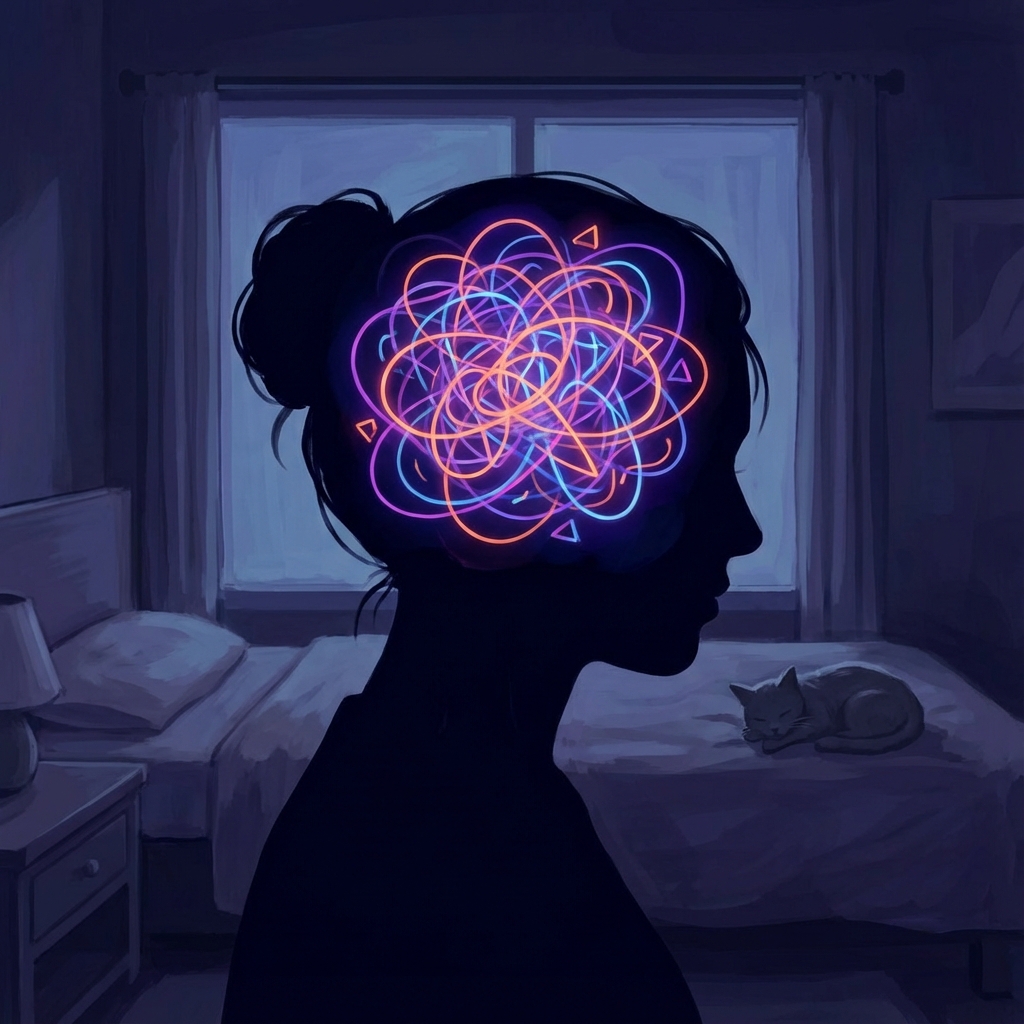
Waking up implies a fresh start, but for many, it involves a period of disorientation and heaviness known as sleep inertia. This grogginess can last from a few minutes to several hours.
Causes of Sleep Inertia
Sleep inertia often occurs when you are woken abruptly from Deep Sleep (Stage 3). During this stage, your brain activity is slow (delta waves), and shifting instantly to alertness is metabolically demanding.
How to Fix It
- Time Your Sleep Cycles: Aim to wake up at the end of a 90-minute sleep cycle rather than in the middle of deep sleep.
- Light Exposure: Immediate bright light can help clear adenosine remnants and signal your body clock it’s morning.
- Hydration: Drinking water immediately upon waking kickstarts your metabolism.
Final Thoughts
Improving your sleep is a journey. Start with one small change from this guide and monitor how you feel over the next week.
Why This Matters Now
In our modern, always-on society, sleep is often the first thing sacrificed. However, understanding these principles is crucial for long-term health. Chronic sleep deprivation is linked to numerous health issues, making this knowledge not just interesting, but vital.
By prioritizing your rest, you are investing in your future productivity, mood stability, and physical longevity.
When to See a Doctor
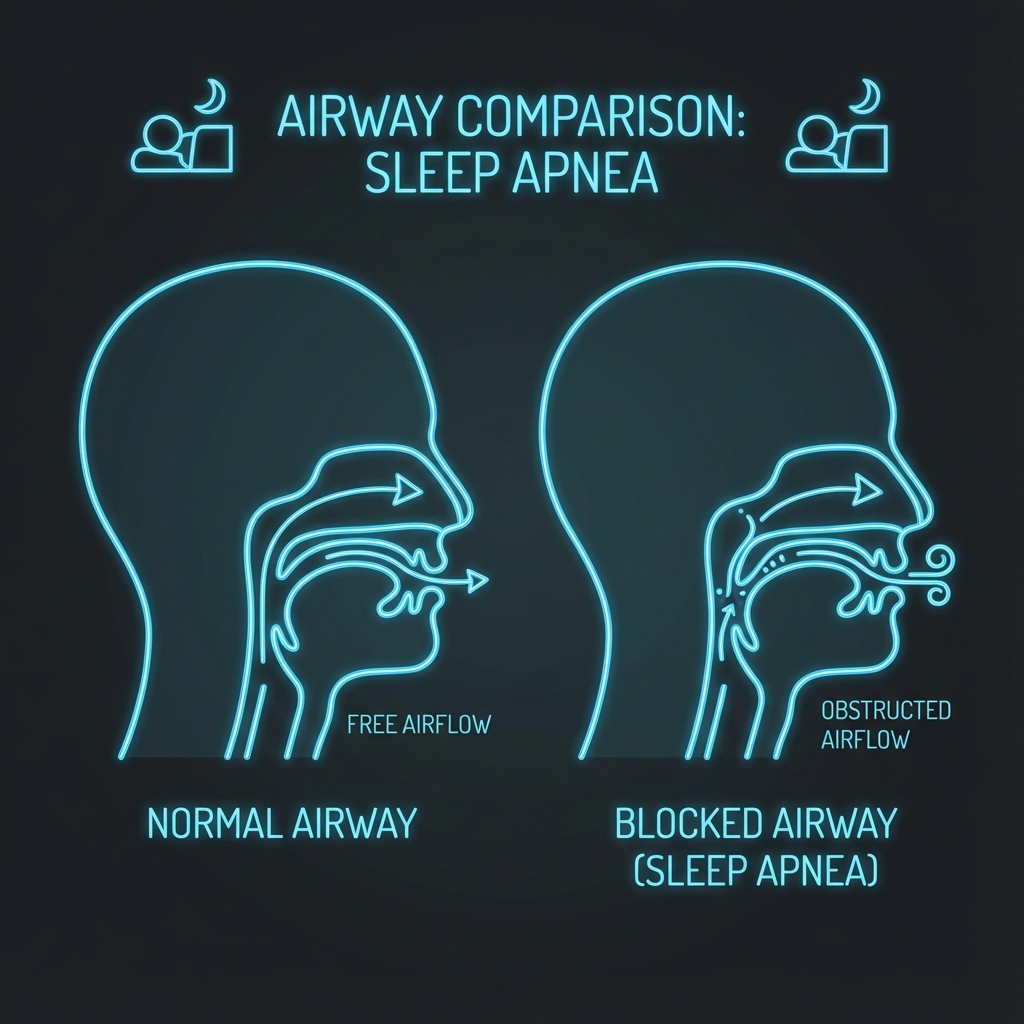
While lifestyle changes are the first line of defense, chronic issues may indicate an underlying condition like Sleep Apnea or RLS. If symptoms persist for more than 3 weeks despite your best efforts, consult a specialist.
Long-Term Health Impact
Ignoring this issue isn’t just about being tired. Chronic sleep deprivation is linked to long-term health risks including cardiovascular disease, weakened immunity, and metabolic disorders.