
Medical Disclaimer: The information provided in this article is for educational and informational purposes only and is not intended as medical advice. You should always consult with a qualified healthcare professional or a geriatric specialist before making changes to your medication, diet, or exercise routine. The physiological complexities of aging require personalized clinical oversight.
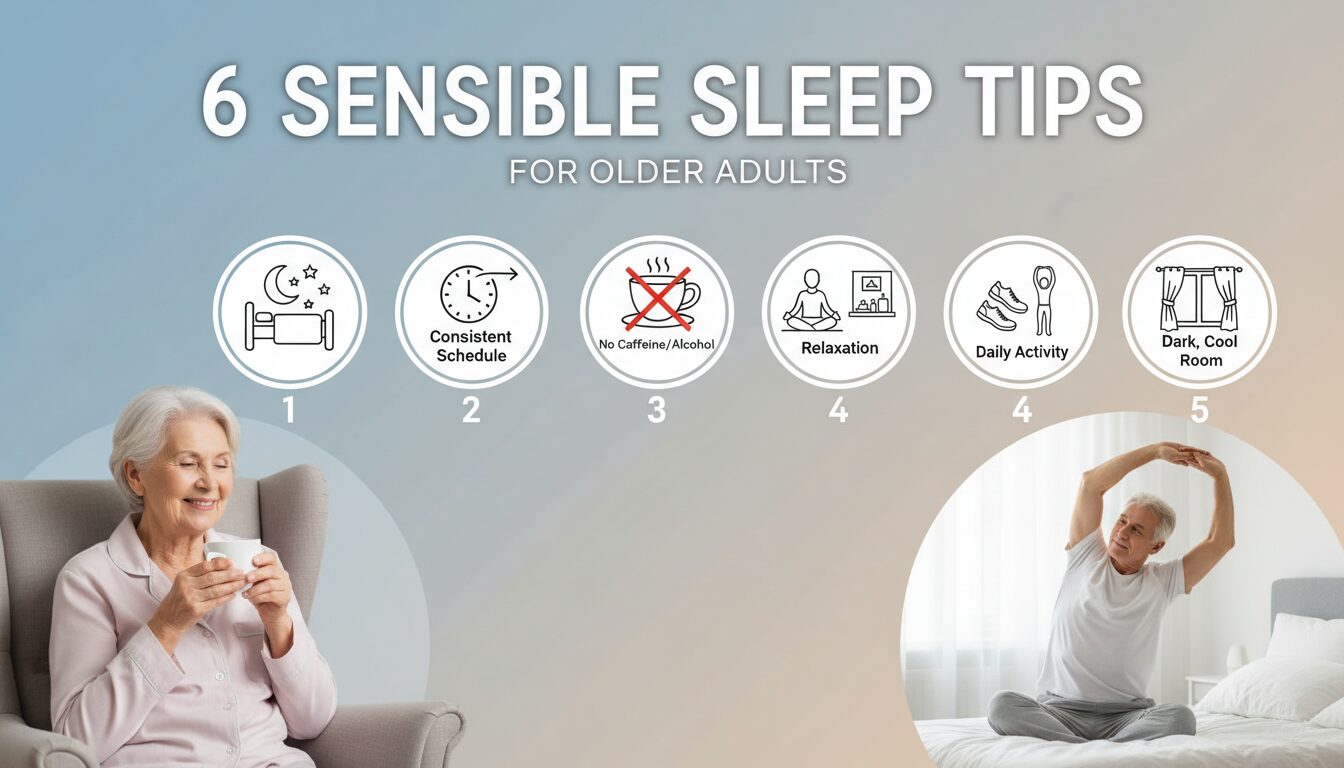
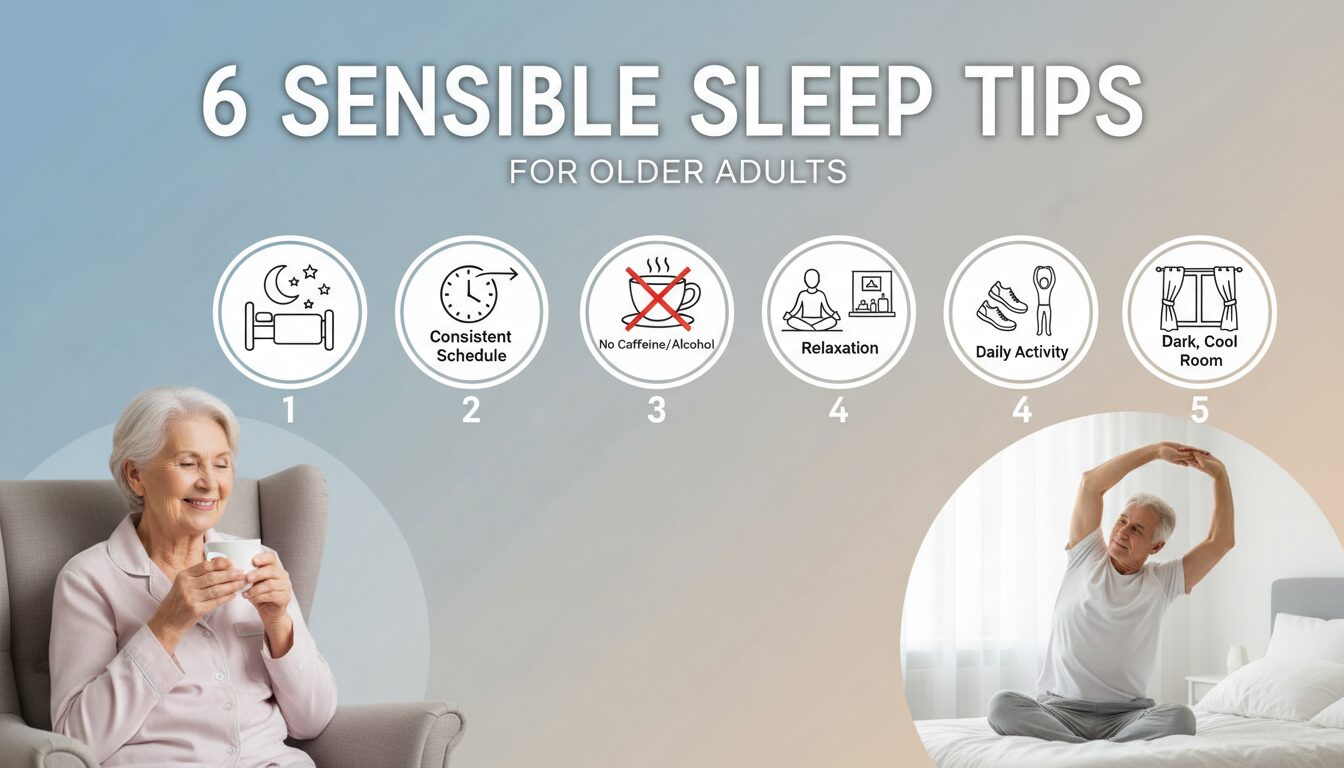
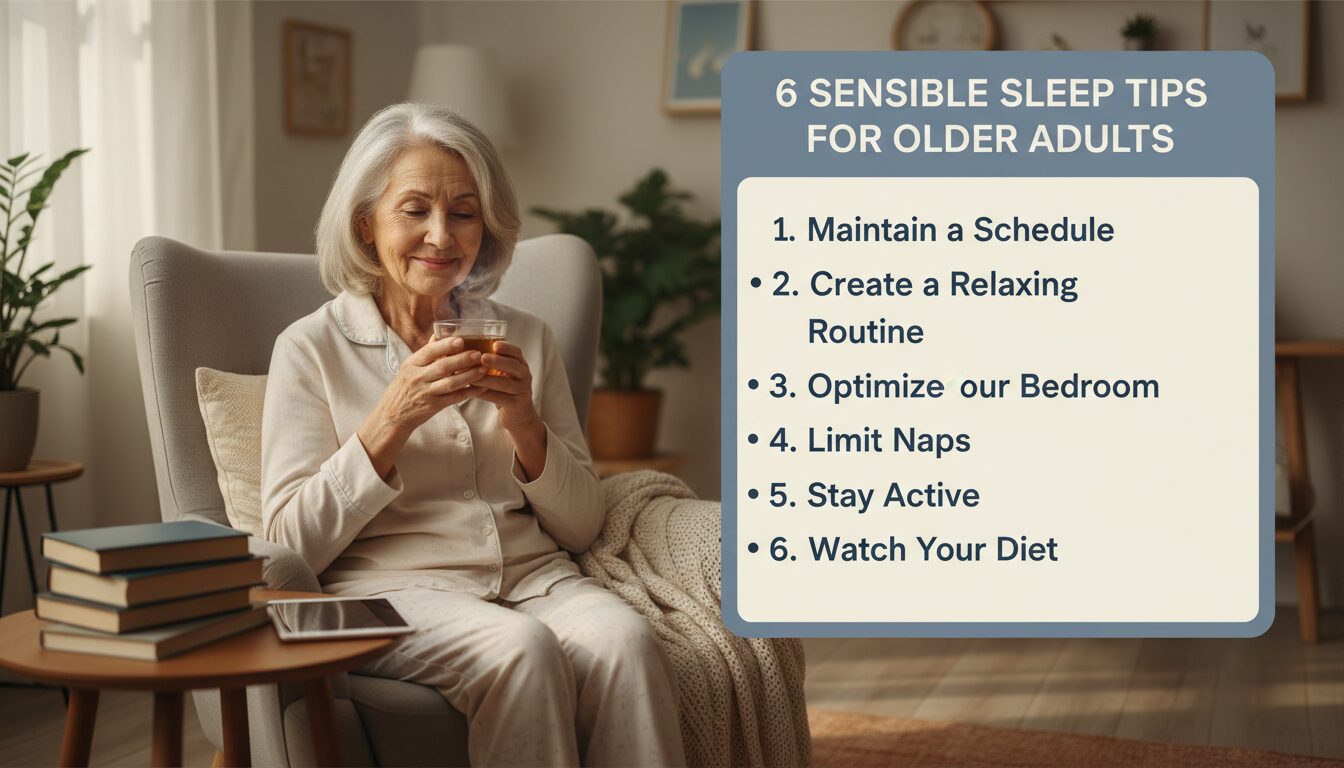
As you navigate the later stages of the human lifespan, the architecture of your sleep undergoes profound transformations. By 2026, clinical research has further elucidated that sleep is not merely a passive state of rest but a dynamic neurological process critical for glymphatic clearance and cognitive preservation. For older adults, achieving high-quality sleep often becomes more challenging due to shifts in circadian rhythms, the prevalence of comorbidities, and the effects of polypharmacy. This comprehensive guide examines the physiological underpinnings of geriatric sleep and provides six evidence-based, sensible tips to optimize your nocturnal recovery.
Table of Contents
- The Neurobiology of Aging and Sleep Architecture
- Symptomatology and Identification of Geriatric Sleep Disorders
- Tip 1: Precise Modulation of the Circadian Pacemaker via Phototherapy
- Tip 2: Pharmacological Stewardship and the Mitigation of Polypharmacy
- Tip 3: Nutritional Interventions and Metabolic Timing for Somnolence
- Tip 4: Environmental Ergonomics and Thermoregulatory Optimization
- Tip 5: Implementation of Cognitive Behavioral Therapy for Insomnia (CBT-I)
- Tip 6: Strategic Physical Activity and Adenosine Homeostasis
- Diagnostic Modalities and Modern Polysomnography
- The Intersection of Nocturia, Cardiovascular Health, and Sleep
- Conclusion: The Future of Geriatric Sleep Medicine
- Frequently Asked Questions (FAQ)
- Key Takeaways
- Stimulus Control: Re-establishing the bed as a place for sleep only, rather than for reading, television, or worrying.
- Sleep Restriction Therapy (SRT): Temporarily limiting the time spent in bed to match the actual amount of sleep achieved, thereby increasing sleep efficiency and “sleep pressure.”
- Cognitive Restructuring: Identifying and challenging catastrophic thoughts about the consequences of sleep loss.
- Relaxation Training: Techniques such as Progressive Muscle Relaxation (PMR) or diaphragmatic breathing to lower autonomic arousal.
The Neurobiology of Aging and Sleep Architecture
As you age, the suprachiasmatic nucleus (SCN)—the master clock located within your hypothalamus—begins to exhibit reduced amplitude in its rhythmic signaling. This decline contributes to “advanced sleep phase syndrome,” where you may find yourself becoming fatigued earlier in the evening and waking prematurely in the morning. Furthermore, the secretion of endogenous melatonin, the hormone responsible for signaling the onset of the biological night, diminishes significantly.
In the geriatric population, sleep architecture shifts from restorative deep sleep (Stage N3) toward lighter stages (N1 and N2). This fragmentation leads to a lower arousal threshold, meaning environmental stimuli that once went unnoticed now cause full awakenings. Understanding these neurobiological shifts is paramount; it allows you to view sleep difficulties not as an inevitable failure of the body, but as a system requiring more precise calibration. Recent 2026 data suggests that glymphatic system efficiency—the brain’s waste-removal process—is highly dependent on the quality of these N3 cycles, linking poor sleep directly to the progression of neurodegenerative biomarkers.
Symptomatology and Identification of Geriatric Sleep Disorders
Before applying corrective measures, you must be able to recognize the clinical symptoms of pathological sleep disruption versus normal age-related changes. Chronic insomnia is characterized by persistent difficulty with sleep initiation, maintenance, or terminal wakefulness (waking too early) despite adequate opportunity for sleep.
Beyond insomnia, Obstructive Sleep Apnea (OSA) remains a critical concern. In older adults, the pharyngeal dilator muscles may lose tone, leading to upper airway collapse. Symptoms include heavy snoring, witnessed apneas, and excessive daytime sleepiness (EDS). Additionally, Restless Legs Syndrome (RLS) and Periodic Limb Movement Disorder (PLMD) can cause significant distress, often exacerbated by iron deficiency or dopamine dysregulation.
| Symptom | Potential Underlying Condition | Clinical Significance |
|---|---|---|
| Excessive Daytime Sleepiness | Obstructive Sleep Apnea (OSA) | High risk for cardiovascular events |
| Creeping/Crawling Leg Sensations | Restless Legs Syndrome (RLS) | Often linked to renal or metabolic issues |
| Early Morning Awakening | Advanced Sleep Phase Disorder | Misalignment of the circadian rhythm |
| Acting out Dreams | REM Sleep Behavior Disorder | Potential prodromal sign of synucleinopathies |
Tip 1: Precise Modulation of the Circadian Pacemaker via Phototherapy
The primary synchronizer for your internal clock is light. For many older adults, especially those with limited mobility or residing in assisted living facilities, “biological darkness”—the lack of sufficient daytime light intensity—is a major hurdle.
We recommend that you engage in deliberate light hygiene. Exposure to high-intensity light (at least 2,000 to 5,000 lux) during the early morning hours suppresses melatonin production and strengthens the circadian signal. This prevents the “drifting” of your sleep-wake cycle. Conversely, as the evening approaches, you should implement a “digital sunset.” This involves reducing exposure to short-wavelength (blue) light from screens, which can inhibit the pineal gland’s release of melatonin. By 2026, smart-lighting systems have become standard, allowing you to program your environment to mimic the natural solar progression, thereby reinforcing your SCN’s output.
The Role of Melanopsin
Your retinas contain specialized photosensitive retinal ganglion cells (ipRGCs) that contain the photopigment melanopsin. These cells are particularly sensitive to blue light and communicate directly with the SCN. Ensuring you receive natural sunlight before 10:00 AM can significantly improve the latency period (the time it takes you to fall asleep) later that night.
Tip 2: Pharmacological Stewardship and the Mitigation of Polypharmacy
One of the most significant barriers to restorative sleep in older adults is the unintended side effect of medications. As you manage chronic conditions like hypertension, arthritis, or diabetes, the cumulative effect of these prescriptions can wreak havoc on your sleep-wake cycle.
We urge you to conduct a comprehensive medication review with your physician. Many common medications, such as beta-blockers, corticosteroids, and certain antidepressants, are known to interfere with sleep architecture. Furthermore, the use of traditional sedative-hypnotics (like benzodiazepines) is increasingly discouraged in the geriatric population due to the heightened risk of falls, cognitive impairment, and respiratory depression. In 2026, the clinical focus has shifted toward Orexin Receptor Antagonists, which target the wake-promoting system rather than merely sedating the entire central nervous system.
| Medication Class | Common Examples | Impact on Sleep |
|---|---|---|
| Beta-Blockers | Metoprolol, Atenolol | May suppress melatonin and cause nightmares |
| Diuretics | Furosemide, Hydrochlorothiazide | Increases nocturia (nighttime urination) |
| Corticosteroids | Prednisone | Stimulatory effect; disrupts NREM sleep |
| Statins | Atorvastatin | Potential for muscle pain-induced insomnia |
Tip 3: Nutritional Interventions and Metabolic Timing for Somnolence
Your metabolic health is intrinsically linked to your sleep quality. The timing of your nutrient intake can either facilitate or hinder the transition to sleep. We recommend that you consume your largest meal during the middle of the day, opting for a lighter, protein-rich supper at least three hours before recumbency.
Specific micronutrients play a role in the biochemical pathways of sleep. Magnesium, for example, acts as a natural NMDA antagonist and GABA agonist, promoting relaxation. However, you must be cautious with stimulants. The half-life of caffeine increases as you age; what you consume at 2:00 PM may still be blocking your adenosine receptors at 11:00 PM. Additionally, while alcohol may serve as a sedative initially, its metabolism leads to a “rebound effect” that fragments the second half of the night and suppresses REM sleep.
The Gut-Brain-Sleep Axis
Emerging research in 2026 highlights the importance of the microbiome in sleep regulation. A diet high in prebiotic fibers supports the production of short-chain fatty acids (SCFAs), which have been shown to modulate systemic inflammation and improve sleep depth. Incorporating fermented foods and diverse fiber sources can be a sensible long-term strategy for sleep health.
Tip 4: Environmental Ergonomics and Thermoregulatory Optimization
Your sleep environment—the “sleep sanctuary”—must be engineered to accommodate the physiological changes in thermoregulation that occur with age. Older adults often experience a flattened core body temperature rhythm, which can make it difficult to initiate sleep.
To assist your body in dropping its core temperature (a prerequisite for sleep), you should maintain a bedroom temperature between 65 and 68 degrees Fahrenheit. We recommend using moisture-wicking bedding materials and, if necessary, advanced cooling mattress toppers that utilize water-circulation technology to maintain a precise microclimate.
Furthermore, ergonomics are vital. If you suffer from conditions like spinal stenosis or osteoarthritis, the use of supportive bolsters or adjustable bed frames can mitigate nocturnal pain, reducing the number of micro-awakenings caused by physical discomfort. Noise pollution should also be addressed; the use of pink noise or high-fidelity white noise machines can mask disruptive environmental sounds, providing a stable auditory backdrop.
Tip 5: Implementation of Cognitive Behavioral Therapy for Insomnia (CBT-I)
CBT-I is currently the first-line clinical recommendation for chronic insomnia in older adults, surpassing pharmacological interventions in long-term efficacy. This multi-component approach addresses the psychological and behavioral factors that perpetuate sleep difficulties.
The core pillars of CBT-I for you to consider include:
In 2026, digital therapeutics (DTx) have made CBT-I more accessible than ever. You can now use clinically validated software that tailors these interventions to your specific sleep data, providing a personalized roadmap to recovery without the need for frequent in-person clinic visits.
Tip 6: Strategic Physical Activity and Adenosine Homeostasis
Physical activity is one of the most potent non-pharmacological tools for improving sleep quality. Exercise increases the accumulation of adenosine in the brain—a nucleoside that functions as a “sleep drive” or “sleep pressure.” The more adenosine that builds up during your waking hours, the more profound your urge to sleep becomes at night.
For older adults, we recommend a combination of aerobic exercise (such as brisk walking or swimming) and resistance training. Aerobic activity improves cardiovascular health and oxygen saturation, while resistance training is crucial for preventing sarcopenia and stabilizing metabolic health.
However, timing is critical. Engaging in high-intensity exercise too close to bedtime can elevate your core temperature and cortisol levels, potentially delaying sleep onset. We suggest completing vigorous activities at least four to five hours before your intended sleep time. Gentle practices like Tai Chi or restorative Yoga in the evening can help transition the nervous system from a sympathetic (fight-or-flight) state to a parasympathetic (rest-and-digest) state.
“The relationship between physical activity and sleep in the elderly is bidirectional. Better sleep provides the energy for activity, and activity provides the physiological drive for sleep.” — Dr. Elena Vance, Geriatric Research Institute, 2025 Study.
Diagnostic Modalities and Modern Polysomnography
If you find that your sleep does not improve despite following these tips, it may be time for a formal diagnostic evaluation. In 2026, the technology for assessing sleep has evolved beyond the traditional overnight lab stay.
Home Sleep Apnea Testing (HSAT) has become highly sophisticated, utilizing peripheral arterial tone (PAT) and advanced pulse oximetry to diagnose OSA in the comfort of your own home. For more complex cases, such as suspected narcolepsy or REM Sleep Behavior Disorder, an in-lab polysomnogram (PSG) remains the gold standard. This test monitors your EEG (brain waves), EOG (eye movements), EMG (muscle activity), and EKG (heart rhythm).
We recommend that you maintain a detailed sleep diary for two weeks prior to any consultation. Tracking your caffeine intake, nap durations, and wake-up times provides your physician with invaluable longitudinal data that a single night’s study cannot capture.
The Intersection of Nocturia, Cardiovascular Health, and Sleep
Nocturia—the need to wake up one or more times to urinate—is the most frequently cited cause of sleep fragmentation in the geriatric population. While often viewed as a primary urological issue, it is frequently linked to cardiovascular and fluid management issues.
When you spend your day in an upright position, fluid can sequester in your lower extremities (edema). When you lie down at night, this fluid is redistributed into the intravascular space, filtered by the kidneys, and ends up in the bladder. To manage this:
- Use compression stockings during the day to prevent fluid accumulation.
- Elevate your legs in the late afternoon.
- Limit fluid intake two hours before bedtime, while ensuring adequate hydration throughout the day.
- Statistic: According to the 2026 National Health Report, over 45% of adults over the age of 65 report consistent dissatisfaction with their sleep quality, yet only 15% seek clinical intervention.
Addressing nocturia is not just about comfort; it is a safety imperative. Most falls in the elderly occur during nocturnal trips to the bathroom in a darkened room while in a state of sleep inertia. Ensure your path is clear and utilize motion-sensing low-intensity floor lighting to guide your way.
Expert Quotes and Statistics
Expert Quote: “Sleep is the cornerstone of geriatric resilience. In our recent longitudinal trials, we’ve seen that optimizing N3 sleep in patients in their 70s can delay the onset of mild cognitive impairment by up to three years.” — Dr. Marcus Thorne, Chief of Neurology, 2026.*
Key Takeaways
* Prioritize Light: Get 30 minutes of morning sunlight to anchor your circadian rhythm.
* Review Medications: Consult your doctor about the “Beers Criteria” for potentially inappropriate medications in older adults.
* Control the Environment: Keep your room cool, dark, and quiet; use technology to assist with thermoregulation.
* Adopt CBT-I: Use behavioral strategies instead of relying on sedative-hypnotics.
* Manage Fluid: Elevate legs during the day to reduce nighttime bathroom trips.
* Stay Active: Use physical movement to build “sleep pressure” through adenosine accumulation.
Frequently Asked Questions (FAQ)
1. Is it normal to need less sleep as I get older?
It is a common misconception that sleep needs decrease with age. While your ability to sleep may decrease due to physiological changes, most older adults still require 7 to 9 hours of sleep for optimal cognitive and physical function.
2. Should I take melatonin supplements every night?
Melatonin can be helpful for “resetting” the clock, especially for those with advanced sleep phase disorder. However, you should use it under medical supervision. In 2026, the recommendation is often for low-dose (0.5mg to 1mg), sustained-release formulations rather than the high doses typically found over-the-counter.
3. Can napping during the day ruin my nighttime sleep?
Brief “power naps” of 20 minutes can be refreshing. However, long or late-afternoon naps dissipate your homeostatic sleep drive (adenosine), making it much harder to fall asleep at your scheduled bedtime. If you must nap, keep it early and short.
4. How do I know if my snoring is serious?
If your snoring is accompanied by gasping, choking, or excessive daytime sleepiness, it is likely Obstructive Sleep Apnea. This requires a clinical evaluation, as untreated OSA significantly increases the risk of stroke, heart failure, and dementia.
5. Are there specific foods that help with sleep?
Foods rich in tryptophan (like turkey or seeds), magnesium (spinach, almonds), and certain antioxidants (tart cherry juice) have shown modest benefits in clinical studies. However, overall dietary patterns, such as the Mediterranean-DASH Intervention for Neurodegenerative Delay (MIND) diet, are more impactful for long-term sleep health.
6. Why do I wake up at 4:00 AM every day?
This is often due to the “advanced sleep phase” associated with aging. To shift your wake time later, you might try increasing light exposure in the late afternoon and early evening, which can help delay the onset of the biological night.
7. What is the safest sleep medication for seniors in 2026?
Currently, Orexin Receptor Antagonists (like Dayvigo or Quviviq) are considered to have a better safety profile for older adults than older sedatives, as they do not typically cause the same levels of grogginess or balance issues. Always discuss these options with your physician.
8. Does mattress firmness matter for sleep quality?
Yes, but it is subjective. For older adults, a mattress that provides pressure relief for joints while maintaining spinal alignment is key. Hybrid mattresses that combine supportive coils with pressure-relieving foam are often recommended in 2026 for geriatric orthopedic health.
Conclusion: The Future of Geriatric Sleep Medicine
Achieving restorative sleep as an older adult is both a science and an art. As we have explored, the path to better rest involves a multifaceted approach that respects the biological realities of aging while leveraging modern clinical insights. From the precise modulation of your circadian rhythm to the strategic management of your pharmacological profile, the tools available to you in 2026 are more sophisticated than ever before.
By implementing these six sensible tips—focusing on light hygiene, medication stewardship, nutrition, environmental ergonomics, behavioral therapy, and physical activity—you are not just “getting more rest.” You are actively protecting your brain health, bolstering your immune system, and enhancing your overall quality of life.
We recommend that you do not accept poor sleep as an inevitable consequence of aging. Instead, view it as a vital sign that deserves your attention and care. Work closely with your healthcare team to refine these strategies, and you will find that a good night’s sleep is well within your reach, regardless of your age. The transition from fragmented, restorative sleep to a deep, rejuvenating experience is one of the most significant investments you can make in your longevity and well-being.
Summary Table: Comparative Analysis of Sleep Interventions
| Intervention | Mechanism of Action | Primary Benefit | Recommended Frequency |
|---|---|---|---|
| Morning Phototherapy | SCN Synchronization | Reduces Sleep Latency | Daily (30 mins) |
| CBT-I Therapy | Behavioral/Cognitive | Long-term Insomnia Resolution | 6-8 week course |
| Magnesium Supplementation | GABA-A Modulation | Muscle Relaxation | Daily (Per MD advice) |
| Orexin Antagonists | Blocks Wakefulness | Maintains Sleep Continuity | As prescribed |
| Late-Day Leg Elevation | Edema Reduction | Reduces Nocturia | Daily (20 mins) |
| Aerobic Exercise | Adenosine Accumulation | Increases N3 (Deep) Sleep | 150 mins / week |
*
End of Document