
Many of us focus on expensive products and intricate routines for healthy hair, yet often overlook one of the most powerful, natural, and free solutions: quality sleep. The state of your hair—its strength, growth, and luster—is intricately connected to your sleep patterns. Far from being a mere beauty booster, adequate rest is a fundamental pillar of overall health, and its impact on your hair is profound.
The Deep Connection Between Sleep and Hair Health
While you’re dreaming, your body is working hard. Sleep is a period of intense regeneration and repair for every cell, including those in your hair follicles. Disruptions to this critical process can have visible consequences on your hair.
The Role of Hormones (Melatonin, Cortisol)
- Melatonin: Primarily known as the sleep hormone, melatonin also plays a vital role in hair growth. Research suggests it can stimulate hair follicles, extending the anagen (growth) phase of the hair cycle.
- Cortisol: Poor sleep elevates cortisol, the body’s primary stress hormone. Chronic high cortisol levels can prematurely push hair follicles into the telogen (resting/shedding) phase, leading to increased hair loss and thinning.
Cellular Regeneration and Repair
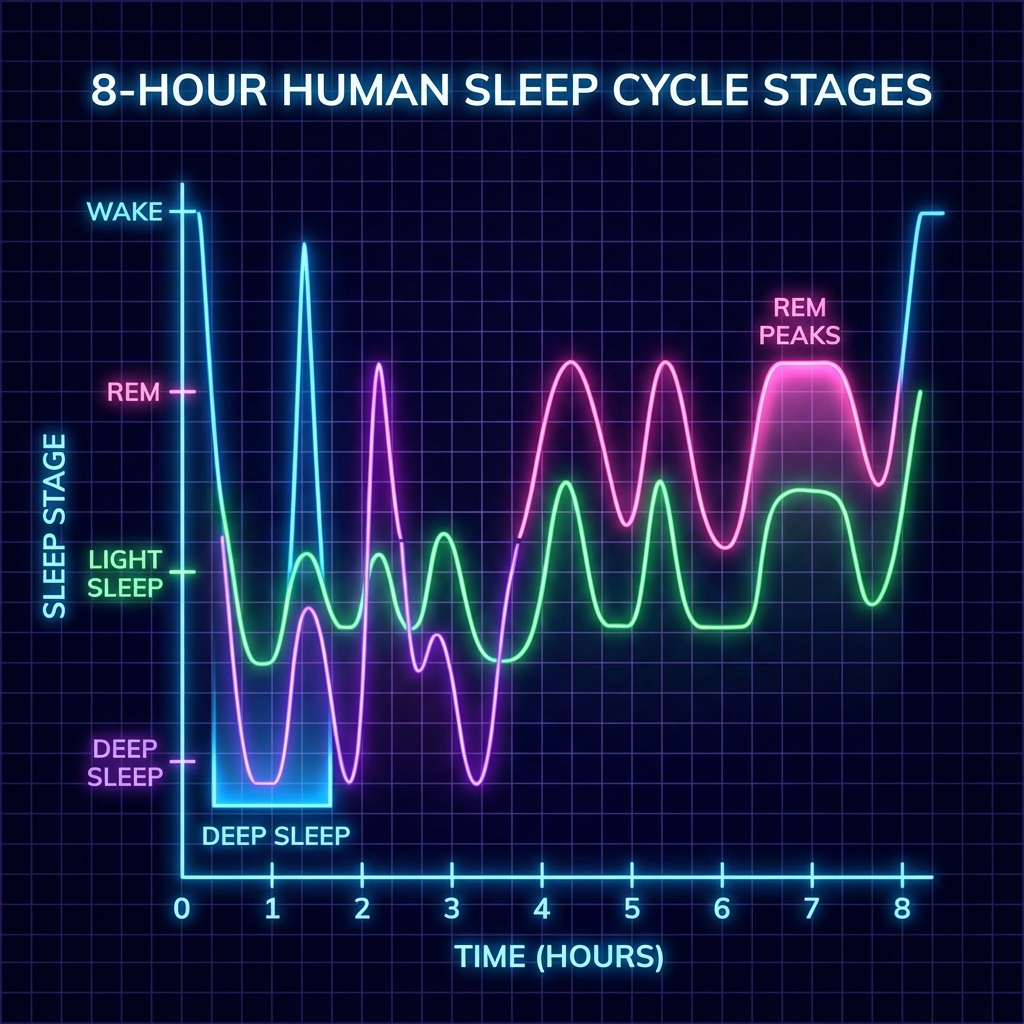
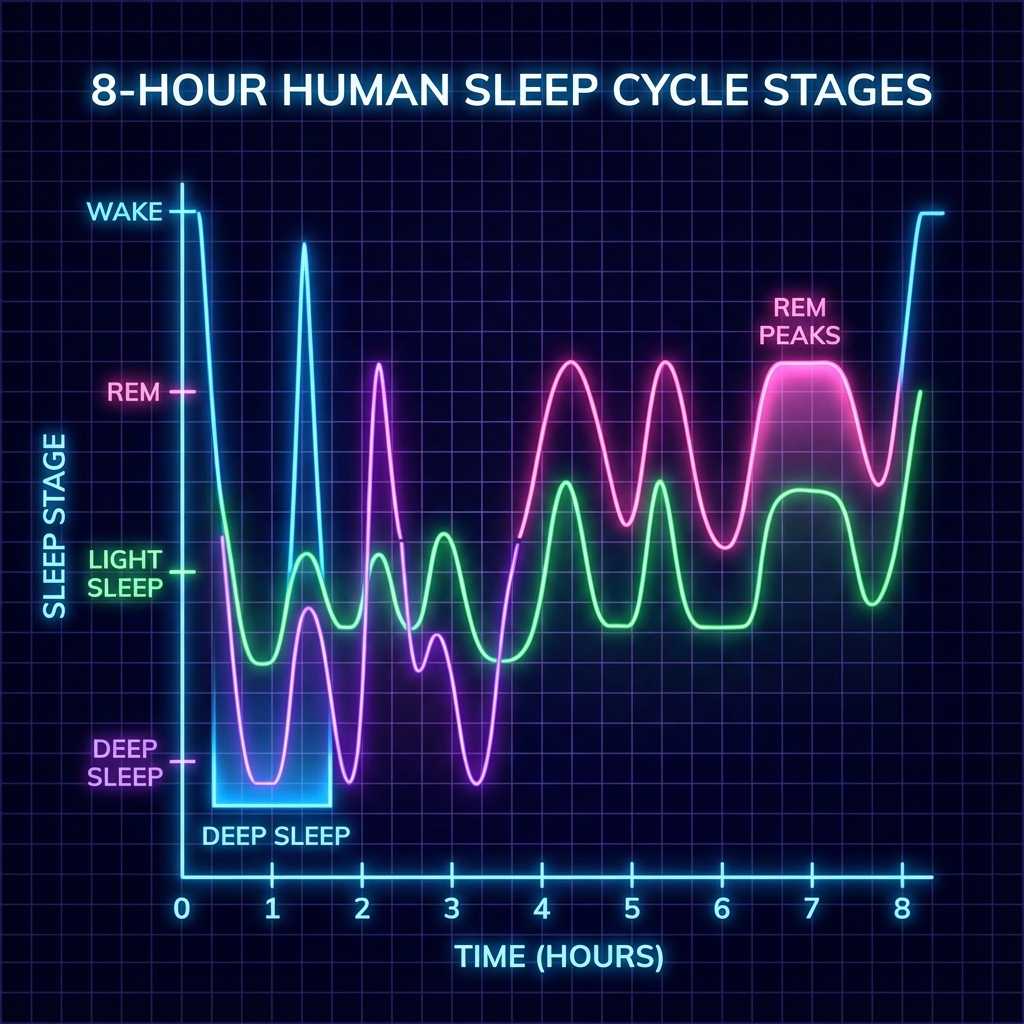
During deep sleep, the body ramps up cell production and repair. This includes cells in your scalp and hair follicles. Adequate sleep ensures that these cells have enough time to rejuvenate, supporting healthy hair growth and strengthening existing strands. Without proper repair, hair can become weak, brittle, and prone to damage.
Nutrient Absorption and Scalp Health
Sleep influences how efficiently your body absorbs and utilizes nutrients. A well-rested body can better deliver essential vitamins, minerals, and proteins—like biotin, iron, and zinc—to your hair follicles. Furthermore, healthy blood flow to the scalp, which is optimized during sleep, is crucial for delivering these nutrients and removing waste products, fostering an ideal environment for hair growth.
How Poor Sleep Quality Harms Your Hair
When sleep is consistently sacrificed, your hair pays the price. The effects can range from subtle dullness to noticeable shedding and thinning.
Increased Hair Shedding and Telogen Effluvium
Chronic sleep deprivation is a significant stressor on the body. This stress elevates cortisol, which can trigger a condition called telogen effluvium, where a large number of hair follicles prematurely enter the resting phase and fall out. This can lead to diffuse hair thinning across the scalp.
Brittle, Dull, and Lifeless Hair
Without sufficient time for cellular repair and nutrient delivery, hair strands lose their vitality. They become more fragile, prone to breakage, and may appear dull, dry, and lifeless. The natural shine and elasticity that characterize healthy hair diminish.
Scalp Issues and Inflammation
Poor sleep can compromise the skin barrier function, including that of the scalp. This can lead to increased inflammation, dryness, itchiness, or even exacerbate conditions like dandruff or seborrheic dermatitis, all of which negatively impact the hair follicles and overall hair health.
The Benefits of Quality Sleep for Optimal Hair Health
Conversely, making quality sleep a priority can lead to dramatic improvements in your hair’s appearance and resilience.
Promoting Robust Hair Growth
By balancing hormones, reducing stress, and supporting cellular regeneration, good sleep creates the optimal conditions for consistent and strong hair growth. It helps maintain the hair’s anagen phase, leading to longer, thicker strands.
Enhancing Hair Strength and Luster
When your body is well-rested, it can produce keratin—the protein that makes up hair—more effectively. This results in stronger, more resilient hair that is less prone to breakage. Improved blood circulation and nutrient delivery also contribute to a healthier, more vibrant shine.
A Balanced Scalp Environment
Adequate sleep supports a healthy immune system and reduces inflammation, contributing to a balanced and nourished scalp. A healthy scalp is the foundation for healthy hair, preventing issues that could impede growth or cause discomfort.
Practical Steps to Improve Your Sleep for Better Hair
Transforming your sleep habits doesn’t happen overnight, but consistent effort can yield significant results for your hair and overall well-being.
Establish a Consistent Sleep Schedule
Go to bed and wake up at roughly the same time every day, even on weekends. This helps regulate your body’s natural sleep-wake cycle (circadian rhythm).
Create a Relaxing Bedtime Routine
Wind down for at least 30-60 minutes before bed. This could include reading a book, taking a warm bath, listening to calming music, or practicing gentle stretches. Avoid screens (phones, tablets, computers) as the blue light can disrupt melatonin production.
Optimize Your Sleep Environment
Ensure your bedroom is dark, quiet, and cool. Blackout curtains, earplugs, or a white noise machine can be helpful. Invest in a comfortable mattress and pillows.
Consider Your Diet and Exercise
Avoid heavy meals, caffeine, and alcohol close to bedtime. Regular physical activity can improve sleep quality, but try to finish intense workouts a few hours before sleep.
Sleep Quality Metrics vs. Hair Impact
Understanding how different aspects of sleep affect your hair can motivate you to prioritize rest.
| Sleep Aspect | Impact on Hair Health |
|---|---|
| Consistent Sleep Schedule | Promotes regular hair growth cycles, reduces shedding, supports hormone balance. |
| Deep Sleep (NREM Stages 3-4) | Critical for cellular repair, tissue regeneration, and growth hormone release. |
| REM Sleep | Supports scalp blood flow, oxygenation, and nutrient delivery to follicles. |
| Sleep Duration (7-9 hours) | Allows full cycle of repair and regeneration, vital for strength and growth. |
| Sleep Deprivation | Increases cortisol, accelerates hair shedding, leads to brittle hair and dullness. |
| Irregular Sleep Patterns | Disrupts natural growth cycles, stresses the body, contributes to hair loss and weakness. |
Conclusion
While often overlooked, sleep is an indispensable component of optimal hair health and growth. It’s during these precious hours of rest that your body undertakes crucial repair, regeneration, and hormone regulation processes that directly impact the strength, vitality, and appearance of your hair. By prioritizing quality sleep, you’re not just investing in your overall well-being, but also unlocking a natural, powerful pathway to achieving the luscious, healthy hair you desire. Make sleep a non-negotiable part of your beauty and health regimen, and watch your hair thrive.