
⚡ Quick Summary
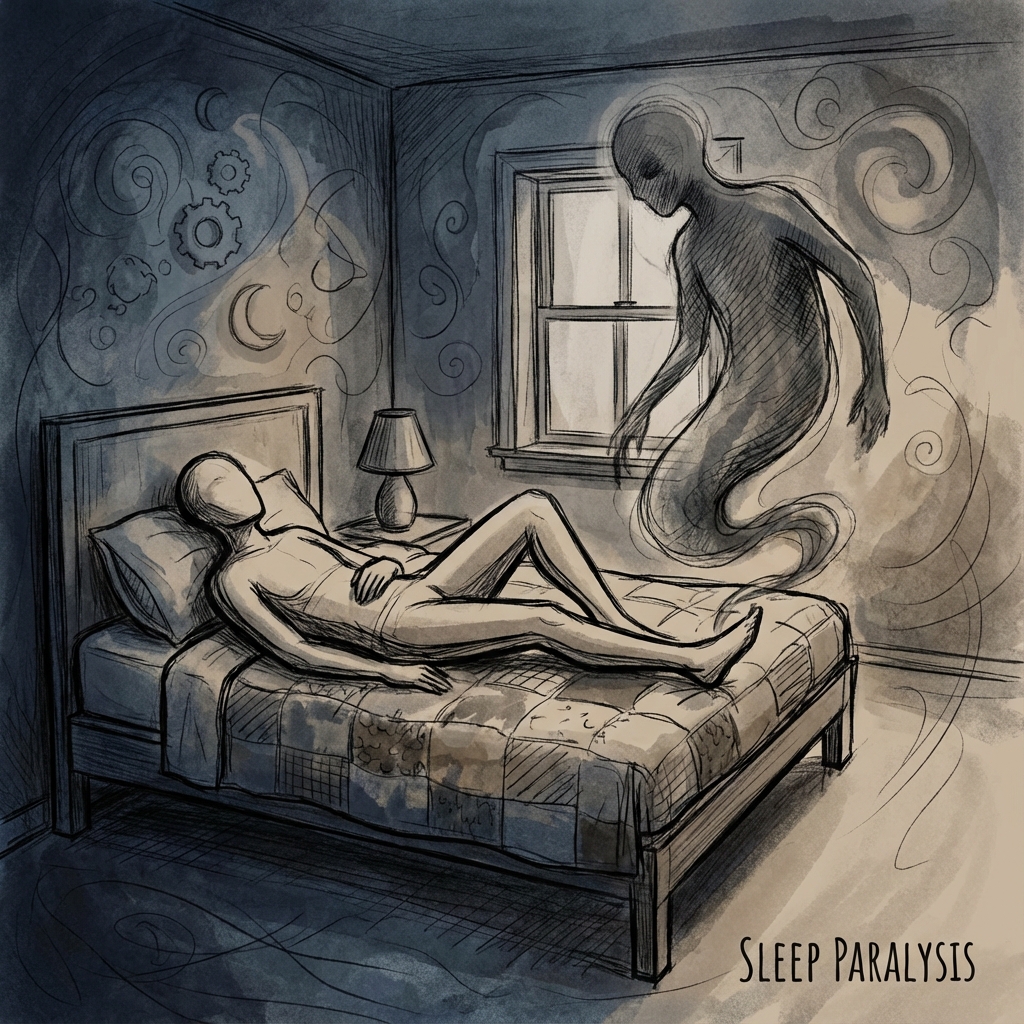
- What is it? Your mind wakes up while your body is still in REM atonia (paralysis).
- The Demon: The hallucination is your brain trying to explain the paralysis.
- Danger: It is physically harmless, though psychologically terrifying.
The Biology of the “Ghost”
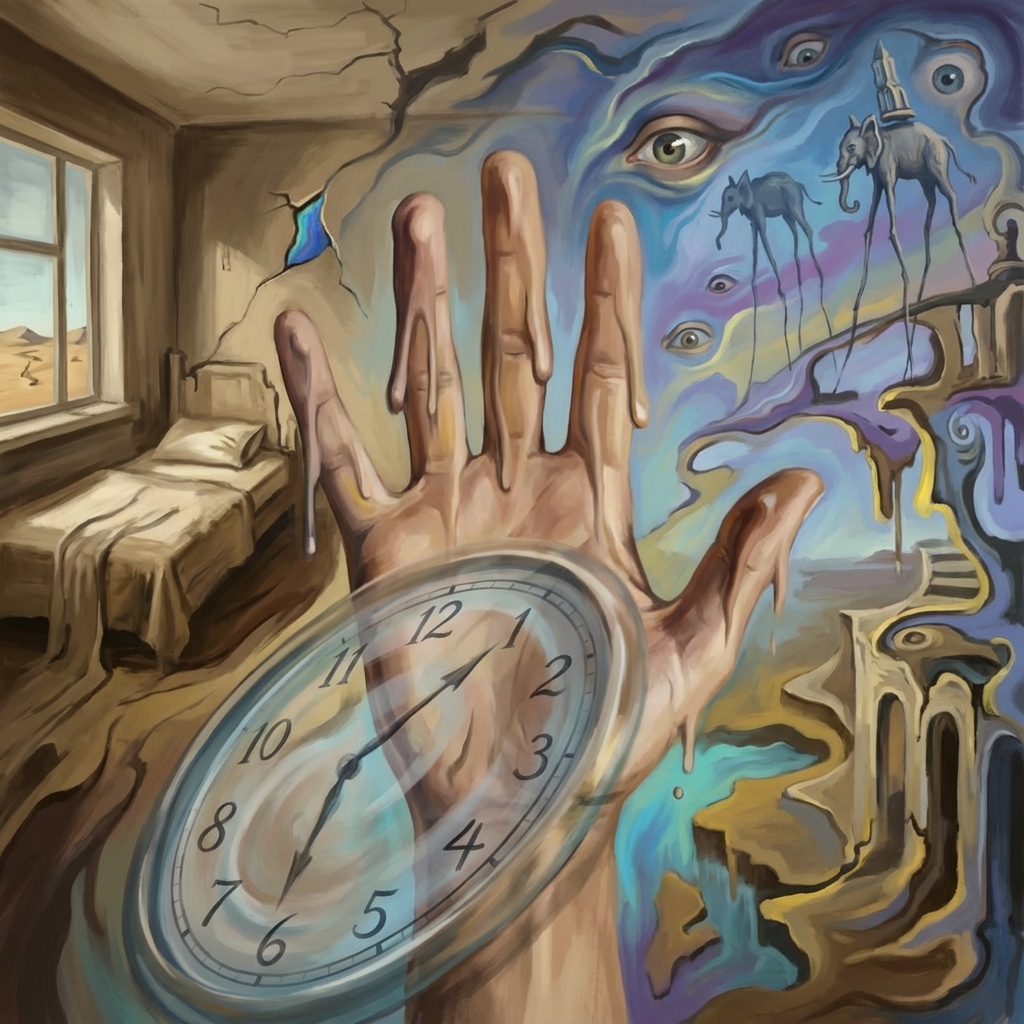
During REM Sleep, your brain paralyzes your muscles prevents you from acting out dreams. Sleep paralysis occurs when you wake up before this safety mechanism turns off. Your amygdala (fear center) goes into overdrive, and your brain projects a threat (the intruder) to explain why you are helpless.How to Break the Paralysis
The Toe Wiggle Technique: Large muscle groups are paralyzed, but extremities often aren’t. Focus all your mental energy on moving just your big toe or little finger. This small signal is often enough to break the paralysis loop.⚠️ When to See a Doctor
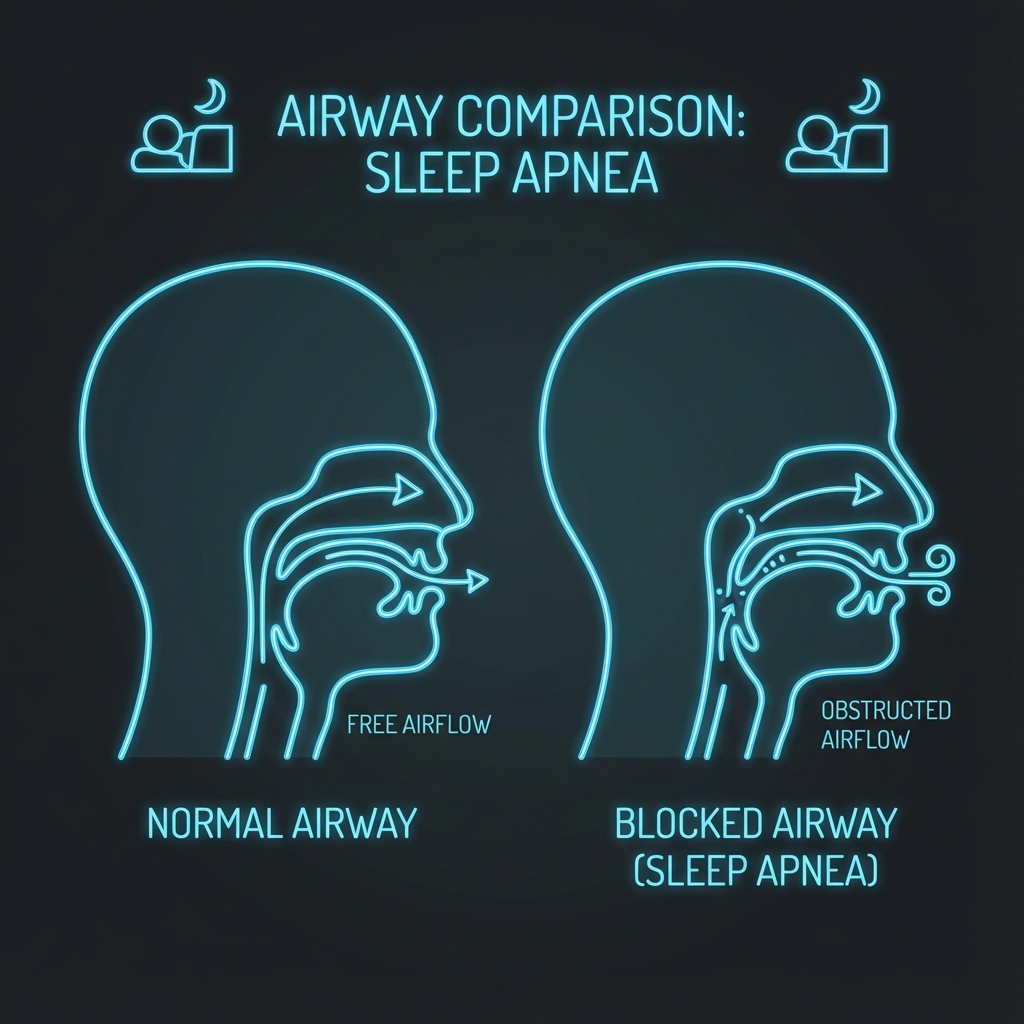
If you have tried hygiene adjustments for more than 4 weeks with no improvement, or if you gasp for air at night, please consult a specialist. These could be signs of clinical insomnia or apnea, which require medical intervention.
Can you die from sleep paralysis?
No. Your diaphragm continues to function automatically, so you will continue to breathe even if your chest feels heavy.
Why do I see a “Hat Man” or “Old Hag”?
These archetypal hallucinations are cross-cultural. They are manifestations of the brain’s fear state attempting to interpret the sensory deprivation and paralysis.
🛡️ Prevention Strategy: Sleep Position Matters
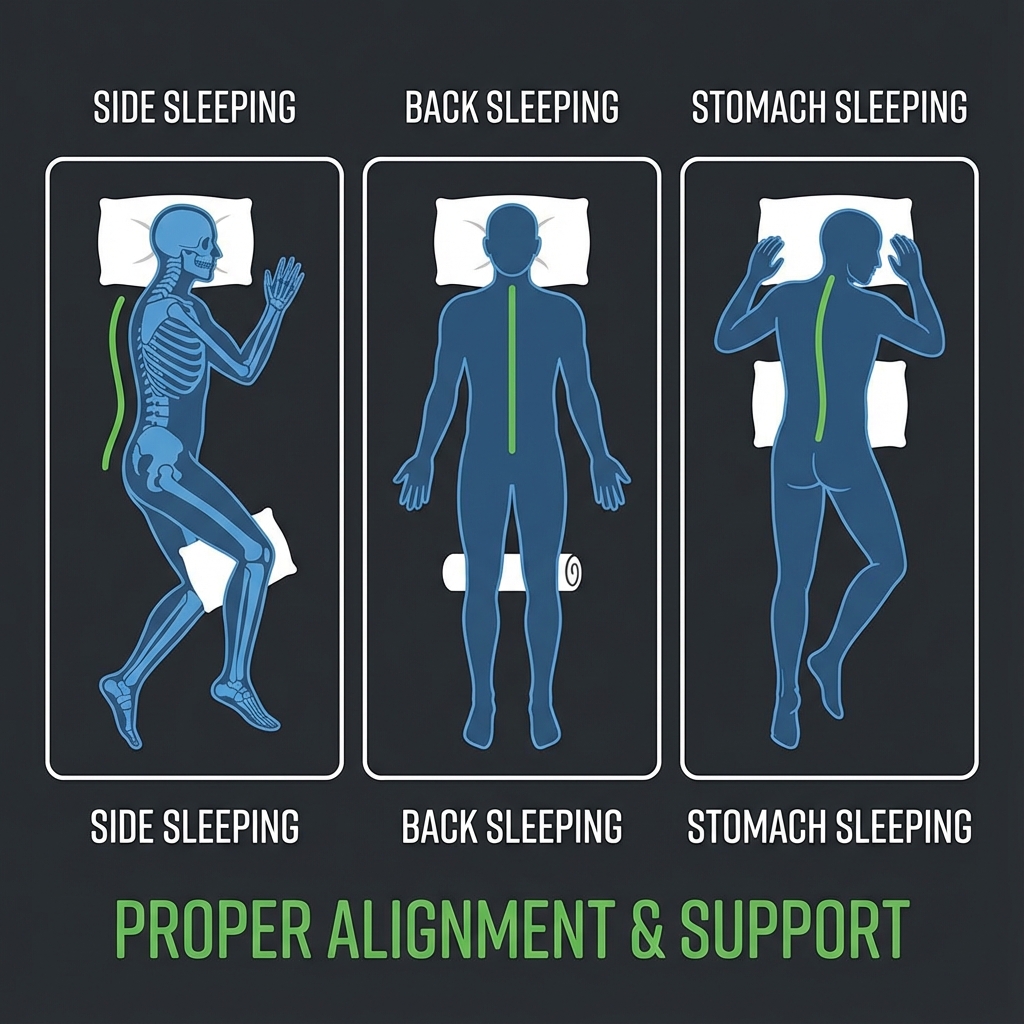
Did you know that sleeping on your back (supine position) increases the likelihood of sleep paralysis by 3-4 times? The gravity on your tongue and soft palate can cause micro-arousals that trigger the “awake but paralyzed” state. The simplest fix? Force yourself to sleep on your side. Using a body pillow behind your back can physically prevent you from rolling onto your back during the night, significantly reducing episodes.Final Thoughts
Improving your sleep quality is a journey, not a sprint. By implementing the insights from this guide on Is Sleep Paralysis Dangerous? The “Demon” in Your Bedroom Explained, you are taking a crucial step towards better health. Remember, consistency is key. Sweet dreams.📚 Read More in This Series
🗣️ Readers’ Discussion: Have you tried this method? Or do you have a different trick? Leave a comment below—we read every single one.