

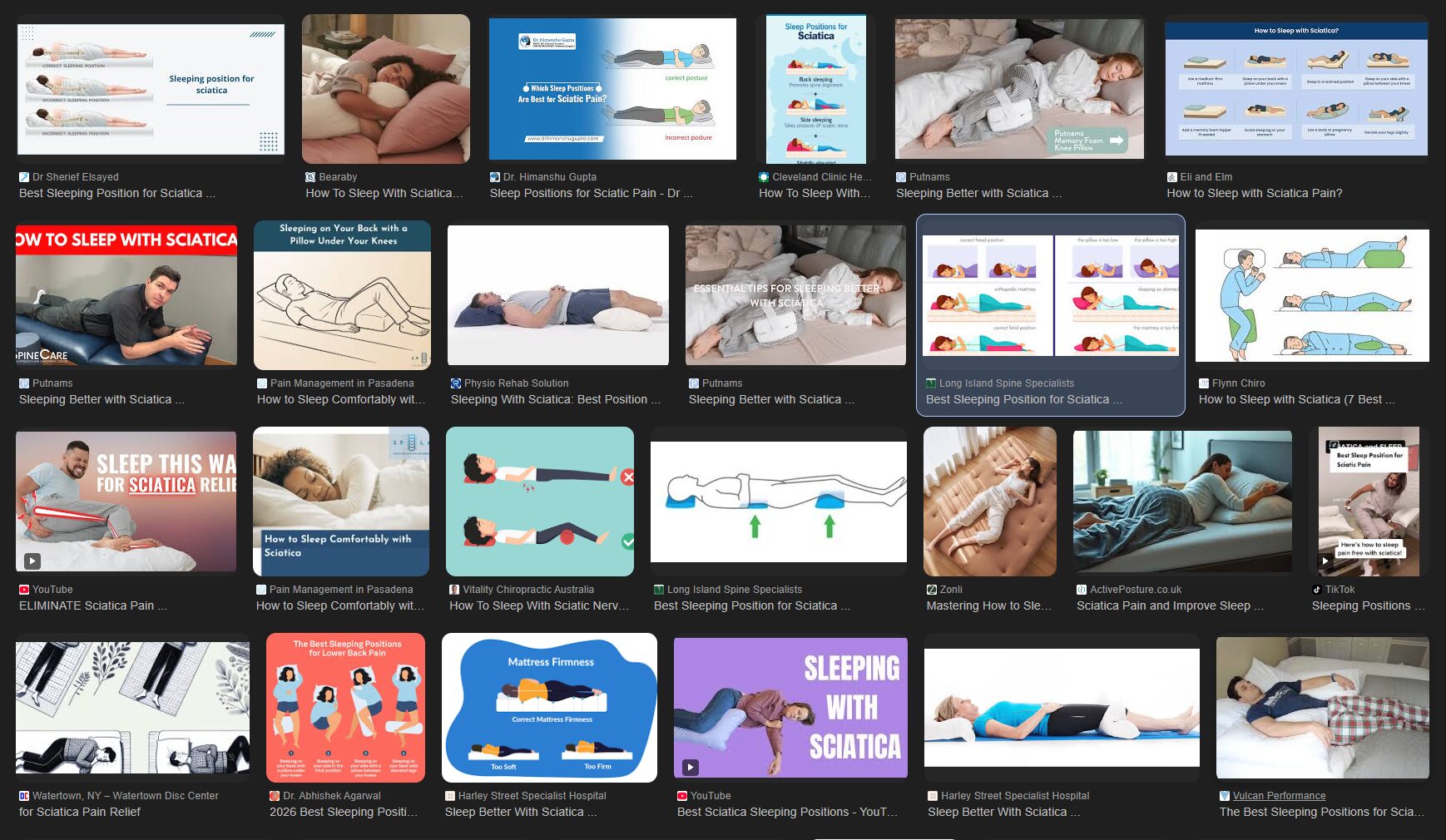
Living with the sharp, radiating pain of sciatica can make the simple act of lying down feel like a daunting challenge. As we navigate the health landscape of 2026, we have come to understand that restorative sleep is not just a luxury; it is a critical component of nerve regeneration and inflammation reduction. For many in Turkey, where urban stressors and long working hours often exacerbate lower back issues, finding the perfect nighttime posture is essential for maintaining a high quality of life. Sciatica occurs when the sciatic nerve—the longest nerve in your body—becomes compressed or irritated, leading to pain that travels from the lower back through the hips and down each leg.
The secret to conquering nighttime discomfort lies in spinal neutrality. When you sleep, your spine should maintain its natural “S” curve. Any deviation, such as a sagging mattress or unsupported limbs, puts undue pressure on the intervertebral discs and the sciatic nerve. By utilizing strategic pillow placement, you can create a customized support system that offloads weight from sensitive areas. This guide explores the most effective, evidence-based positioning techniques designed to help you reclaim your sleep and wake up feeling refreshed, rather than restricted. Whether you are a side sleeper or prefer resting on your back, these professional adjustments will transform your bed into a sanctuary for healing.
The Biomechanics of Pain-Free Sleep
To understand why pillow placement matters, we must first look at the anatomy of the lumbar spine. In 2026, physical therapists increasingly emphasize “micro-adjustments” that prevent pelvic tilting. When you lie down, gravity acts on your body differently than when you are upright. Without support, your heavy pelvis can pull the lower spine into a twist or an arch, narrowing the exit points for the sciatic nerve.
The Role of Spinal Alignment
Spinal alignment is the cornerstone of musculoskeletal health. When the vertebrae are stacked correctly, the pressure on the sciatic nerve is minimized. If your hips rotate during the night, it creates a “torque” effect on the piriformis muscle, which can trap the nerve. Strategic pillowing acts as a mechanical shim, keeping the skeletal structure in a state of repose.
Choosing the Right Materials
In today’s market, we have moved beyond simple cotton-fill pillows. For effective sciatica management, high-density memory foam or cooling gel-infused latex are the gold standards. These materials provide the necessary “rebound” to support the weight of a leg or the curve of the neck without flattening over time. If you are in Istanbul or Ankara, you likely have access to the latest ergonomic sleep technologies that prioritize breathability—essential for those warm Mediterranean nights.
Optimized Positioning for Side Sleepers
Side sleeping is the most common position, yet it is often the most problematic for sciatica sufferers if done incorrectly. When the top leg falls forward, it pulls the hip out of alignment, stretching the sciatic nerve painfully across the gluteal region.
The Knee-to-Knee Strategy
The most effective intervention for a side sleeper is placing a firm, contoured pillow between the knees. This simple addition keeps the hips, pelvis, and spine in a neutral line. In 2026, many experts recommend “hourglass” shaped pillows specifically designed for this purpose. This prevents the top knee from touching the mattress, which stops the internal rotation of the hip.
Supporting the Waist
For those with a narrow waist and wider hips, a small gap often forms between the side of the torso and the mattress. This gap causes the spine to “hang” or bend sideways. Placing a small, rolled-up microfiber towel or a slim “lumbar roll” underneath the waist can fill this void, providing a continuous line of support that prevents the spine from bowing.
Preventing Fetal Position Over-Curvature
While curling up can feel protective, an extreme fetal position can actually stretch the sciatic nerve too tightly. Try to keep your legs slightly extended rather than tucked tight against the chest. Use a full-body pillow to hug; this keeps the shoulders open and prevents the torso from collapsing forward.
Techniques for Back Sleepers (Supine Position)
Many orthopedic specialists recommend the back-sleeping position as the most effective for distributing body weight evenly. However, lying flat can increase the “lordotic curve” (the arch) of the lower back, which might pinch the nerve further.
The Under-Knee Elevation
By placing one or two pillows under your knees, you induce a slight posterior pelvic tilt. This flattens the lower back against the mattress, opening up the neural foramina (the spaces where nerves exit the spine). This position is often the fastest way to find acute pain relief during a flare-up.
The Triple-Pillow Cascade
For those dealing with severe lumbar disc herniations, a “cascade” of pillows can be beneficial. Place a wedge pillow at the base, followed by a softer pillow for the calves. This elevation helps reduce venous pressure and inflammation in the lower extremities, which is a common secondary symptom of sciatica.
Neck Support and Its Impact on the Lower Back
It may seem counterintuitive, but the position of your head affects your lower back. A pillow that is too high pushes the chin toward the chest, which pulls on the entire spinal cord (the dural sac). Ensure your head pillow is ergonomic, supporting the cervical curve while keeping the gaze directed straight up at the ceiling.
Positions to Avoid and How to Fix Them
Stomach sleeping is generally discouraged for anyone with back pain. It forces the neck to turn at a 90-degree angle and causes the lower back to sink into an exaggerated arch, which is a recipe for sciatic irritation.
The Transition Strategy
If you absolutely cannot sleep any other way, place a flat pillow under your pelvis and lower abdomen. This lifts the hips and prevents the lower back from dipping into a “U” shape. However, in 2026, the clinical consensus remains that transitioning to side or back sleeping is the best long-term strategy for nerve health.
Why You Should Avoid Soft Mattresses
A mattress that is too soft acts like a hammock. For a sciatica patient, this lack of resistance means your “heavy” points—the hips—will sink, while your legs remain higher. If your mattress is currently too soft and you cannot replace it, try placing a piece of 1.5cm plywood between the mattress and the bed frame for immediate firming.
Lifestyle and Environment: The 2026 Approach
Modern sleep science tells us that pillow placement is only one part of the equation. To maximize the effectiveness of these positions, one must consider the entire “sleep hygiene” ecosystem. In Turkey’s bustling cities, noise and heat can lead to tossing and turning, which displaces your carefully placed pillows.
Temperature Regulation and Nerve Pain
Nerves are sensitive to temperature. Cold environments can cause muscles to contract and stiffen, worsening the “pull” on the sciatic nerve. Using a heating pad for 15 minutes on the lower back before getting into your supported position can relax the musculature, making the pillow placement more effective. Ensure your room is kept at a steady 18–20°C for optimal recovery.
The “Pre-Sleep” Decompression
Before arranging your pillows, spend five minutes on the floor in a “90/90” position—lying on your back with your calves resting on a chair or ottoman. This neutralizes the spine before you even get into bed, making it easier for your body to accept the supported positions you’ve prepared.
Incorporating Modern Ergonomics
In 2026, we see a rise in “smart pillows” that can subtly inflate or deflate to maintain pressure. While these are excellent, they are not a substitute for the fundamental knowledge of where support is needed. Always prioritize the physical sensation of “lightness” in the lower back; if a position feels like it is pulling or straining, adjust the height of the pillow by even a few centimeters.
Summary of Practical Recommendations
To ensure you can implement these tips immediately, let’s summarize the key configurations:
- Side Sleepers: One firm pillow between the knees, a small roll under the waist, and a body pillow to prevent rolling onto the stomach.
- Back Sleepers: Two pillows under the knees to flatten the lower back, and a cervical pillow for the neck to maintain a neutral spinal cord tension.
- The “Emergency” Position: If pain is 8/10, lie on the floor with your legs on the bed at a 90-degree angle for 20 minutes before attempting to sleep.
The journey to managing sciatica is a marathon, not a sprint. The way you treat your body during the eight hours of sleep is just as important as the exercises you do during the day. By utilizing these pillow placement strategies, you are giving your nervous system the physical space it needs to heal, reducing the frequency of flare-ups and improving your daily mobility.
Conclusion
Sciatica does not have to be a permanent barrier to a restful night. As we have explored, the solution often lies in the thoughtful application of basic mechanical principles. By using pillows as tools to maintain spinal neutrality, you can significantly reduce the mechanical stress on your sciatic nerve. Whether you are navigating the hills of Istanbul or the busy streets of Izmir, your home should be a place where your body can recover from the day’s demands.
Remember that everyone’s anatomy is unique. What works for one person’s disc-related sciatica may differ for someone with piriformis syndrome. Experiment with these placements, give your body a few nights to adjust to a new position, and listen to the signals your nerves are sending. With consistency and the right support, you can look forward to 2026 being the year you finally put sciatic sleep disturbances to rest. Sweet dreams and a healthy spine are within your reach.