

Medical Disclaimer: The information provided in this article is for educational and informational purposes only and is not intended as medical advice. Always seek the advice of your physician or another qualified health provider with any questions you may have regarding a medical condition or sleep disorder. Never disregard professional medical advice or delay in seeking it because of something you have read here.
Table of Contents
- Introduction
- The Biological Connection: Why Your Body Needs to Cool Down
- The Goldilocks Zone: Finding the Perfect Number for Your Bedroom
- Age Matters: Temperature Needs Across the Lifespan
- The Role of Humidity: Why Temperature Isn’t the Only Factor
- Symptoms of Thermal Disruption: How Your Body Reacts to Heat
- Seasonal Mastery: Staying Comfortable Year-Round
- Advanced Sleep Technology and Bedding in 2026
- Health Conditions and Temperature Sensitivity
- Actionable Strategies for Thermal Regulation
- Creating a Sustainable Sleep Sanctuary
- Key Takeaways
- Frequently Asked Questions (FAQ)
- Conclusion
- Recommendation: Keep the nursery between 68°F and 72°F (20°C – 22.2°C).
- Risk Factor: Overheating is a known risk factor for Sudden Infant Death Syndrome (SIDS). You should ensure the baby is dressed in breathable layers rather than using heavy blankets.
- Recommendation: A slightly warmer room, around 68°F to 70°F (20°C – 21.1°C), is often more comfortable for seniors. However, it is still vital to maintain breathability in bedding to prevent night sweats.
- Night Sweats: Waking up with damp pajamas or sheets is a clear sign that your environment is too warm or your bedding is not breathable.
- Restlessness: If you find yourself constantly “flipping the pillow” to the cool side or sticking a foot out from under the covers (the “radiator effect”), your body is desperately trying to shed heat.
- Morning Headaches: Dehydration caused by excessive sweating during the night can lead to dull, throbbing headaches upon waking.
- Groggy “Sleep Inertia”: When you are forced awake from a light sleep stage because of heat, the transition to wakefulness is much harder.
- Irritability: Lack of REM sleep, often caused by high temperatures, directly impacts your emotional regulation the following day.
- Brain Fog: Deep sleep is when your brain flushes out metabolic waste. If heat prevents deep sleep, you may experience cognitive lag.
Introduction
As we navigate the complexities of life in 2026, the pursuit of high-quality restorative sleep has become more than just a luxury—it is a cornerstone of cognitive performance and long-term health. You likely focus on your diet, your exercise routine, and perhaps even your mindfulness practices, but have you considered the invisible hand that governs your sleep quality? Temperature is one of the most significant yet frequently overlooked factors in the science of sleep.
In recent years, sleep research has shifted from focusing purely on duration to emphasizing the environment in which that sleep occurs. Your body is not a static machine; it is a dynamic biological system governed by circadian rhythms that dictate everything from your hormone production to your internal thermostat. To enter the deep, restorative stages of sleep—specifically Slow Wave Sleep (SWS) and Rapid Eye Movement (REM) sleep—your core body temperature must drop. If your bedroom environment fights against this natural cooling process, you may find yourself waking up groggy, irritable, and physically exhausted, regardless of how many hours you spent in bed.
This comprehensive guide explores the intricate relationship between your bedroom’s climate and your neurological health. We will examine why the “ideal” temperature is more than just a preference, how modern 2026 technology can assist you in maintaining the perfect environment, and what symptoms you should watch for if your sleep environment is suboptimal. By the end of this article, you will have the knowledge required to transform your bedroom into a thermal sanctuary optimized for your unique biological needs.
The Biological Connection: Why Your Body Needs to Cool Down
To understand why a cool room is essential, you must first understand the concept of thermoregulation. Your body operates on a 24-hour internal clock known as the circadian rhythm. As evening approaches, your brain’s pineal gland begins to secrete melatonin, often referred to as the “sleep hormone.” Simultaneously, your core body temperature begins a steady decline, reaching its lowest point in the early hours of the morning.
The Role of Vasodilation
When you prepare for sleep, your body initiates a process called vasodilation. Your blood vessels dilate, particularly in your hands and feet, to radiate heat away from your core. This is why you might notice your hands feeling warm right before you fall asleep; your body is effectively “dumping” heat to lower its internal temperature. If the ambient temperature in your room is too high, this heat exchange becomes inefficient. Your body struggles to shed the necessary degrees, leading to delayed sleep onset and fragmented sleep cycles.
Impact on Sleep Stages
Research in 2026 has further clarified how heat impacts specific sleep stages. While moderate warmth might help you fall asleep initially by relaxing muscles, sustained heat throughout the night is particularly disruptive to REM sleep. During REM, your body’s ability to thermoregulate is significantly diminished. If the room is too hot, your brain may actually trigger an arousal to force you to move or uncover yourself, effectively kicking you out of the most mentally restorative phase of your sleep.
The Goldilocks Zone: Finding the Perfect Number for Your Bedroom
While individual preferences vary, most sleep experts and clinical data suggest a specific range that works for the vast majority of the population. We recommend that you aim for a bedroom temperature between 60 and 68 degrees Fahrenheit (15.6 to 20 degrees Celsius).
Why 65 Degrees is Often the Winner
For many, 65°F (18.3°C) represents the “sweet spot.” At this temperature, the air is cool enough to facilitate the body’s natural heat shedding without being so cold that it causes shivering or muscle tension. Shivering is equally disruptive to sleep as sweating, as it increases your metabolic rate and heart rate, keeping you in a state of light sleep.
| Category | Temperature Range (Fahrenheit) | Temperature Range (Celsius) |
|---|---|---|
| Recommended (General) | 60°F – 68°F | 15.6°C – 20°C |
| Ideal for Most Adults | 65°F | 18.3°C |
| Upper Limit for Comfort | 72°F | 22.2°C |
| Lower Limit for Comfort | 54°F | 12.2°C |
Individual Variability
You should treat these numbers as a starting point. Factors such as your Body Mass Index (BMI), your metabolism, and even what you ate for dinner can influence your thermal needs. For example, a high-protein meal can increase thermogenesis (heat production), potentially requiring a slightly cooler room that evening.
Age Matters: Temperature Needs Across the Lifespan
Biological needs change as we age. Infants and the elderly have different thermoregulation capabilities compared to young adults, necessitating specific adjustments to the sleep environment.
Infants and Toddlers
Babies are more sensitive to temperature fluctuations because their surface-area-to-weight ratio is higher than that of adults, and they cannot easily shed layers if they become too hot.
The Elderly
As we age, our bodies often become less efficient at regulating temperature. Older adults may have lower fat levels or slower circulation, making them more prone to feeling cold.
| Age Group | Recommended Sleep Temp (°F) | Key Consideration |
|---|---|---|
| Infants | 68°F – 72°F | Avoid heavy blankets; risk of SIDS |
| Children/Teens | 60°F – 68°F | High metabolic rate; benefit from cooler air |
| Adults | 60°F – 68°F | Focus on core temperature drop |
| Seniors (65+) | 68°F – 70°F | Sensitivity to cold; circulation issues |
The Role of Humidity: Why Temperature Isn’t the Only Factor
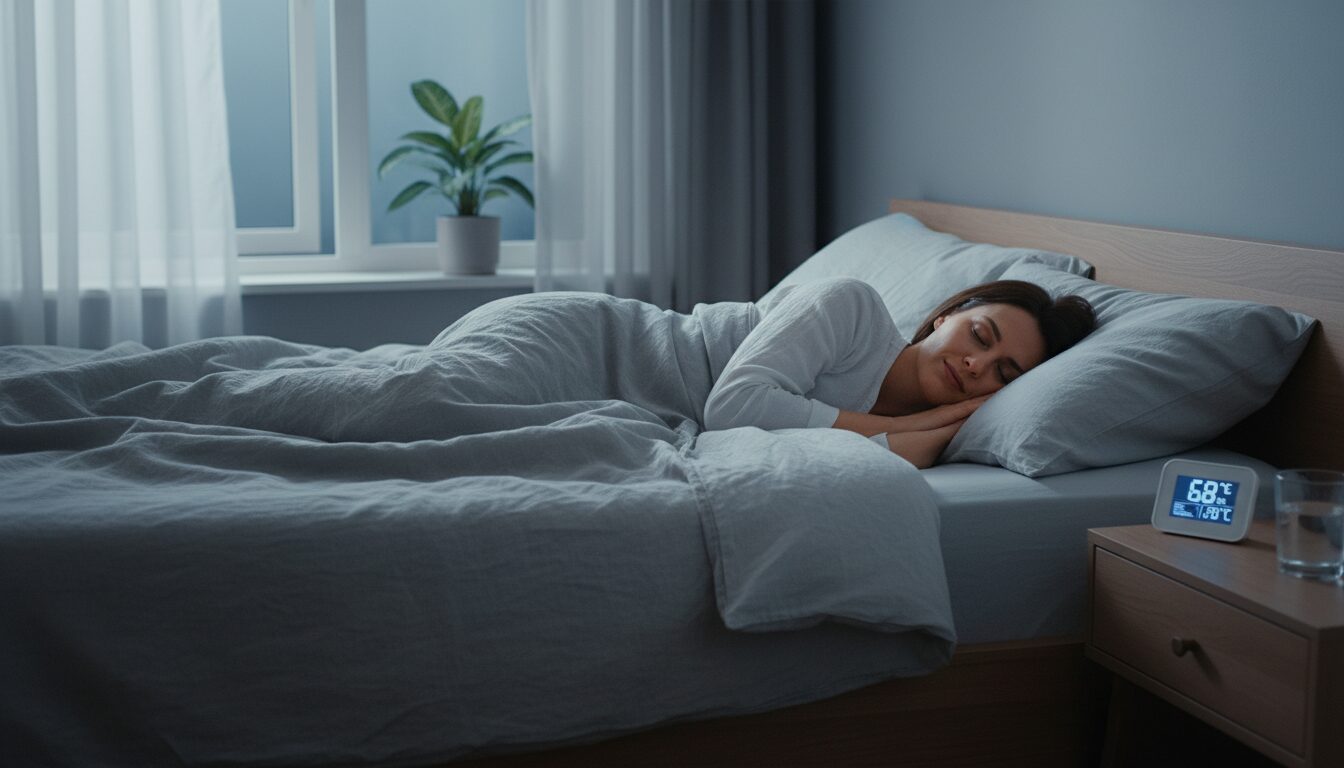
You may have noticed that 68°F in a dry climate feels much different than 68°F in a humid one. In 2026, we understand more than ever how relative humidity (RH) dictates the “apparent temperature” your body perceives.
High Humidity and Sweat Evaporation
The primary way your body cools itself is through the evaporation of sweat. When the air is saturated with moisture (high humidity), sweat cannot evaporate efficiently. This leaves you feeling “sticky” and prevents your core temperature from dropping. We recommend maintaining a bedroom humidity level between 30% and 50%.
Low Humidity and Respiratory Comfort
Conversely, if the air is too dry (below 30%), you may experience irritation of the nasal passages and throat. This can lead to snoring or frequent waking to drink water. Utilizing a smart humidifier that integrates with your thermostat can help you maintain the perfect balance throughout the night.
Symptoms of Thermal Disruption: How Your Body Reacts to Heat
If your sleeping environment is poorly regulated, your body will send you signals. Recognizing these symptoms is the first step toward improving your sleep hygiene.
Physical Symptoms
Cognitive and Emotional Symptoms
“Temperature is arguably the most underrated factor in sleep health. We see patients who optimize their light and sound environments but still struggle because they are essentially ‘simmering’ their brains in a room that is too warm for biological recovery.” — Dr. Elena Vance, Sleep Research Institute (2026).
Seasonal Mastery: Staying Comfortable Year-Round
As the seasons change, your strategy for maintaining the ideal sleep temperature must evolve. You cannot rely on a “set it and forget it” approach with your thermostat if you want peak performance.
Summer Strategies
In the heat of July, cooling your bedroom becomes a priority.
Winter Strategies
While it is tempting to crank the heat when it’s snowing outside, a room that is too hot will ruin your sleep.
Foot Warmers: Interestingly, wearing socks to bed can help you fall asleep faster. By warming your feet, you trigger vasodilation, which helps lower your core* temperature.
Advanced Sleep Technology and Bedding in 2026
The year 2026 has brought about incredible advancements in “Smart Sleep” technology. We are no longer limited to simple fans and cotton sheets.
Active Cooling Systems
One of the most effective treatments for chronic overheating is the use of active cooling mattress pads. These systems circulate chilled water through medical-grade silicone tubes tucked under your sheets. You can set a specific temperature for each side of the bed, allowing couples with different thermal preferences to sleep harmoniously.
Phase Change Materials (PCM)
Modern bedding now often incorporates Phase Change Materials. These are substances that absorb, store, and release heat as they change from solid to liquid and back. When you get too hot, the material absorbs your body heat to cool you down. When you cool off, it releases that stored heat to keep you stable.
Biometric Feedback Loops
In 2026, many wearable devices and smart rings now communicate directly with your HVAC system. If your wearable detects an increase in your skin temperature or a rise in your heart rate consistent with thermal stress, it can automatically signal your thermostat to drop the temperature by two degrees.
| Technology | Function | Benefit |
|---|---|---|
| Smart Thermostats | Automated scheduling | Matches temperature to circadian rhythm |
| Cooling Mattress Pads | Active water circulation | Precise control; dual-zone options |
| PCM Bedding | Passive heat absorption | Buffers temperature spikes |
| Smart Humidifiers | RH regulation | Prevents dry skin and respiratory issues |
Health Conditions and Temperature Sensitivity
Certain medical conditions can make you more sensitive to the temperature of your sleeping environment. If you suffer from any of the following, temperature management is not just a comfort issue—it is a medical necessity.
Menopause and Hot Flashes
For those going through menopause, hot flashes and night sweats can be debilitating. The sudden spike in body temperature can lead to frequent arousals. We recommend an aggressively cooled environment (as low as 62°F) and the use of moisture-wicking sleepwear specifically designed for hormonal temperature shifts.
Insomnia
Primary insomnia is often linked to a delayed core temperature drop. People with insomnia often have a higher core temperature than “normal” sleepers. Utilizing a “cold soak” or a cool shower 90 minutes before bed can help jumpstart the cooling process.
Fever and Illness
When you are fighting an infection, your body raises its set-point temperature (fever). While you might feel “chills,” it is important not to over-bundle. A moderately cool room (68°F) helps prevent your fever from climbing to dangerous levels while allowing your body to fight the pathogen.
Actionable Strategies for Thermal Regulation
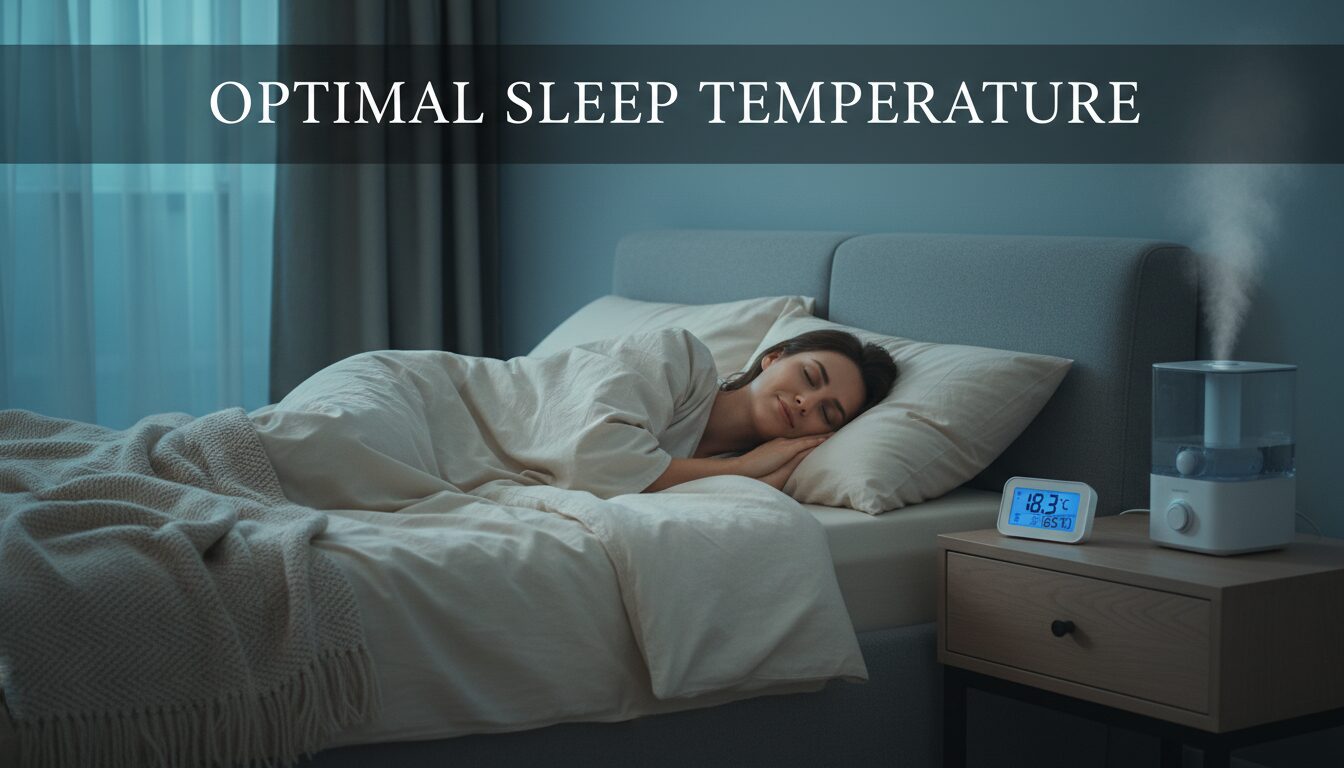
If you are struggling to find the right balance, follow these professional recommendations to optimize your environment.
1. The 90-Minute Rule
Take a warm bath or shower approximately 90 minutes before bed. This may seem counterintuitive, but the warm water brings blood to the surface of your skin. Once you step out, that heat quickly evaporates, causing your core temperature to plummet, which signals to your brain that it is time for sleep.
2. Choose Natural Fibers
Synthetics like polyester tend to trap heat and moisture. We recommend switching to:
3. Manage the “Microclimate”
Your microclimate is the air trapped between your body and your covers. To manage this:
4. Optimize Your Mattress
Memory foam is notorious for “sleeping hot.” If you are in the market for a new mattress in 2026, look for hybrid models that utilize pocketed coils (for airflow) and open-cell gel foams or natural latex, which do not retain heat as much as traditional foam.
Creating a Sustainable Sleep Sanctuary
Beyond just the temperature, your bedroom should be a sanctuary dedicated to rest. In the high-paced world of 2026, the boundaries between work and home have blurred, making this even more vital.
Light and Sound
While temperature is the focus, it works in tandem with other sensory inputs. Total darkness helps maintain melatonin production, which assists in thermoregulation. Similarly, white noise or pink noise can prevent sudden sounds from waking you up when you are in a vulnerable, light sleep stage due to a slight temperature fluctuation.
The Psychology of Cool
There is a psychological component to sleep. A room that looks cool and airy—decorated with soft blues, whites, and greens—can actually make you feel cooler. Removing clutter also improves airflow and reduces the mental “noise” that can keep your brain running hot.
Key Takeaways
* The Ideal Range: Aim for 60-68°F (15.6-20°C) for optimal sleep.
Biology First: Your core temperature must* drop to enter deep sleep stages.
* Humidity Matters: Keep relative humidity between 30% and 50% to facilitate cooling.
* Technology is Your Friend: Use smart thermostats and cooling mattress pads to automate your comfort.
* Material Choice: Opt for natural, breathable fabrics like linen, bamboo, or wool.
* Listen to Your Body: Night sweats and morning grogginess are signs that your room is too warm.
Frequently Asked Questions (FAQ)
1. Is 70 degrees too hot for sleep?
For many people, 70°F (21.1°C) is slightly above the ideal range. While you might be able to fall asleep at this temperature, you may find that your sleep is less deep and that you experience more arousals throughout the night. However, for seniors or those with poor circulation, 70°F can be quite comfortable.
2. Why do I get cold at 3:00 AM?
Your core body temperature reaches its lowest point between 3:00 AM and 5:00 AM. If your room is already cool and you aren’t using adequate covers, you may wake up feeling chilled during this window. The solution is to use breathable layers that you can pull up or push away as needed.
3. Can a room be too cold for sleep?
Yes. If the temperature drops below 54°F (12.2°C), your body may struggle to maintain its core temperature, leading to shivering. This increases your heart rate and prevents you from entering the deeper, more restful stages of sleep.
4. How does alcohol affect my sleeping temperature?
Alcohol is a vasodilator, which makes you feel warm initially. However, it significantly disrupts your body’s ability to thermoregulate throughout the night. It often leads to “rebound” sweating and frequent waking, as it interferes with the brain’s temperature control center.
5. Do cooling pillows actually work?
In 2026, cooling pillows have improved significantly. Those utilizing gel-infused memory foam or phase-change covers can help dissipate heat from your head—which is one of the primary areas where the body sheds heat. They are a great supplementary tool but work best when the room air is also cool.
6. Should I sleep with a fan on?
Yes, provided the noise doesn’t bother you. Fans don’t lower the room temperature, but they facilitate “convective cooling” by moving air over your skin, which helps your body shed heat more efficiently.
7. Does sleeping in the cold burn more calories?
There is some evidence that sleeping in a cooler environment can activate “brown fat,” which burns calories to generate heat. However, the effect is relatively small and should not be used as a primary weight-loss strategy. The main benefit of a cool room remains the quality of sleep, not caloric burn.
8. What if my partner prefers a different temperature?
This is a common issue. We recommend using separate blankets (the “Scandinavian Method”) or investing in a dual-zone cooling mattress pad that allows each person to set their own temperature preference.
Conclusion
In the year 2026, we have more tools than ever to master our environment. Yet, the fundamental biological requirements of the human body remain unchanged. To achieve the deep, restorative sleep required for a healthy life, you must respect your body’s need to cool down.
Finding your personal “Goldilocks Zone” may take a few nights of experimentation. We recommend starting at 65°F and adjusting by one degree each night until you wake up feeling truly refreshed. Remember that your bedroom is not just a room; it is a sophisticated recovery chamber. By optimizing the temperature, managing humidity, and choosing the right materials, you are investing in your long-term cognitive health and physical well-being.
Sleep is not a passive state of “nothingness”—it is an active, temperature-dependent process of repair. When you give your body the cool environment it craves, you unlock a level of energy and clarity that can transform your waking life. Sleep well, stay cool, and let your biology do the rest.