
⚡ Quick Summary
- What is it? A guided relaxation state similar to Yoga Nidra.
- Benefit: Replenishes dopamine reserves and reduces stress cortisol.
- Time: Only 10-20 minutes required.
The Science Behind NSDR
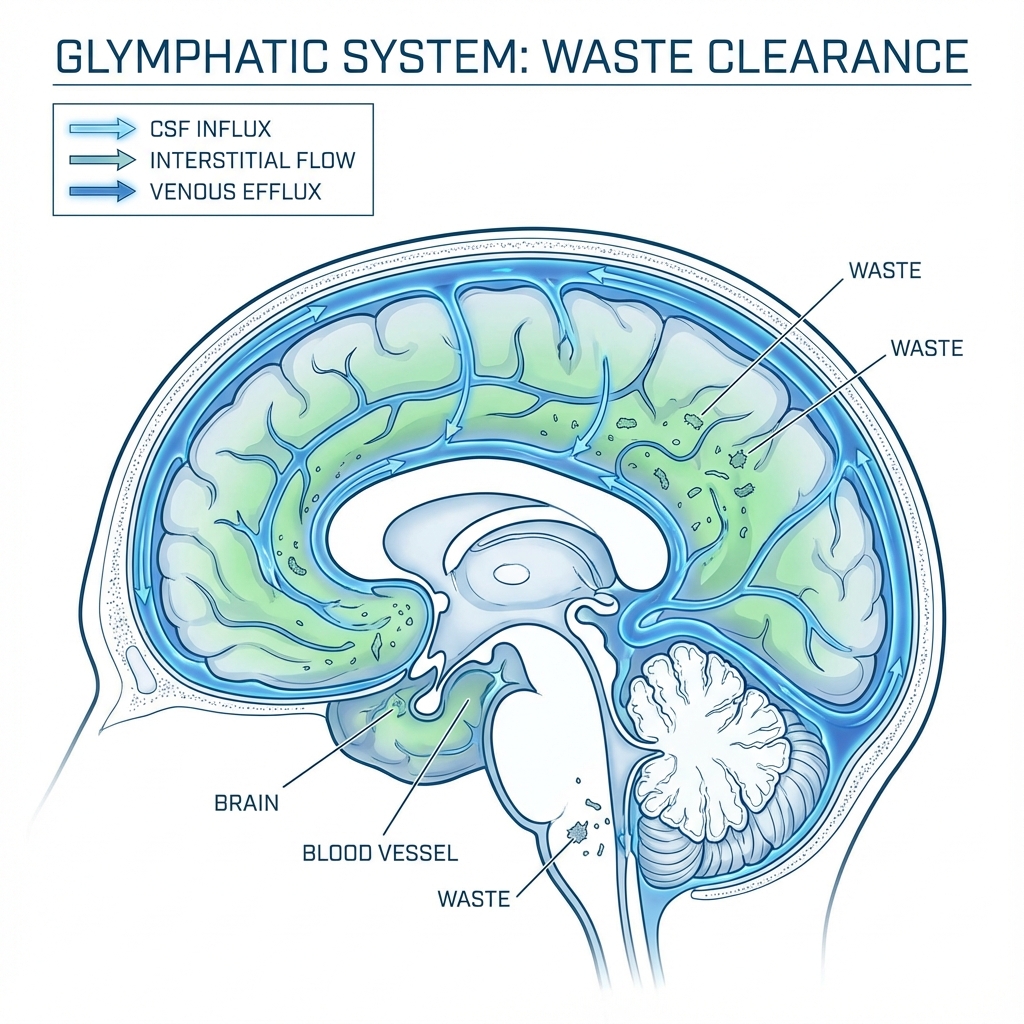
Unlike sleep, where you lose consciousness, NSDR keeps you on the threshold. This unique state allows your brain to flush out metabolic waste products while resetting the “sensitivity” of your neurotransmitters. It is essentially a reboot for your nervous system.How to Perform NSDR (Step-by-Step)
- Find Quiet: Lie down on your back in a dim room. Use a weighted blanket if available.
- The Body Scan: Mentally focus on your toes, then feet, moving up to your head. “Turn off” each muscle group intentionally.
- Exhale Focus: Shift your breath ratio. Inhale for 4 counts, exhale for 8. Long exhalations activate the parasympathetic nervous system.
- Emergence: After 20 minutes, slowly wiggle your fingers before opening your eyes.
🧠 NSDR for Learning Acceleration
Recent studies show that performing NSDR immediately after an intense study session or learning a new skill (like playing piano) accelerates neuroplasticity by up to 50%. The brain replays the firing sequences of the skill you just learned during this rest state at high speed (10x-20x). So, do not just use NSDR for energy; use it as a “Save Button” for your brain after learning something difficult.💡 Pro Tip: The 90-Minute Rule
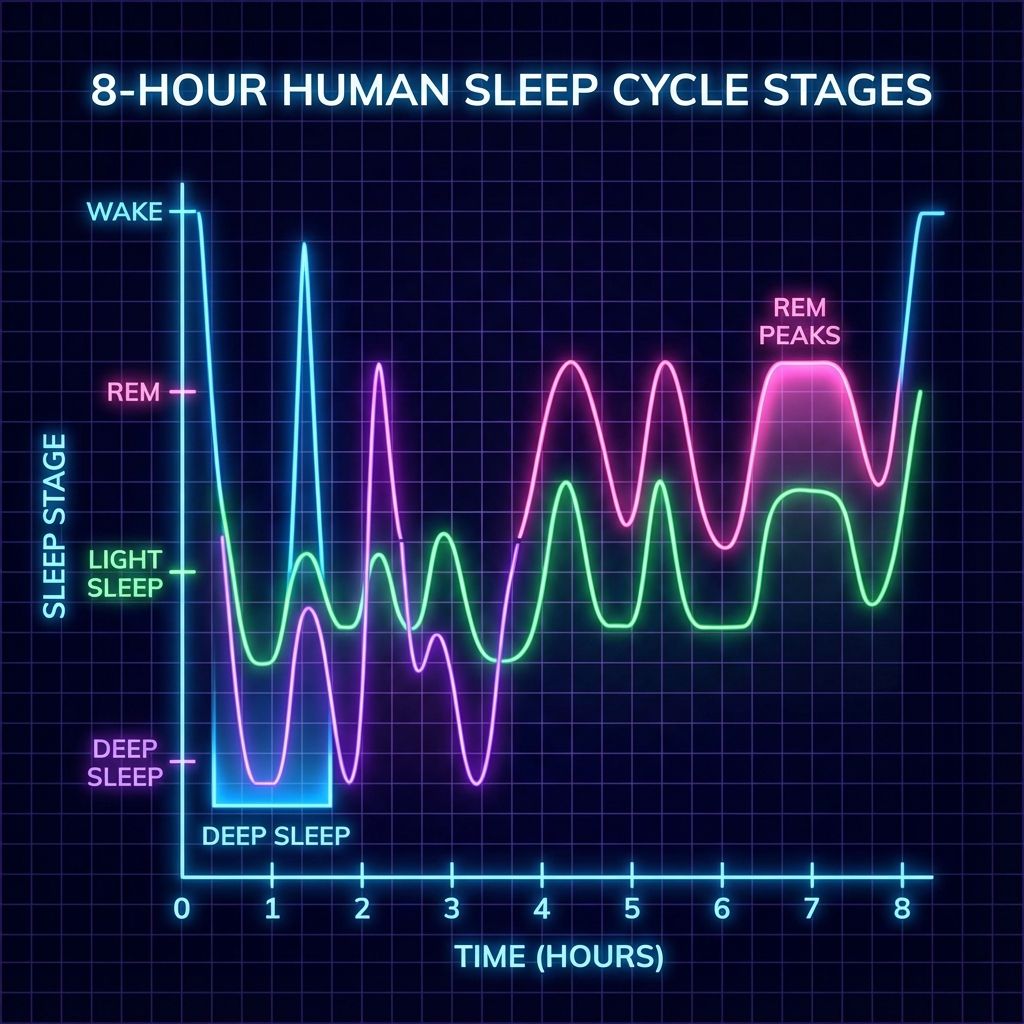
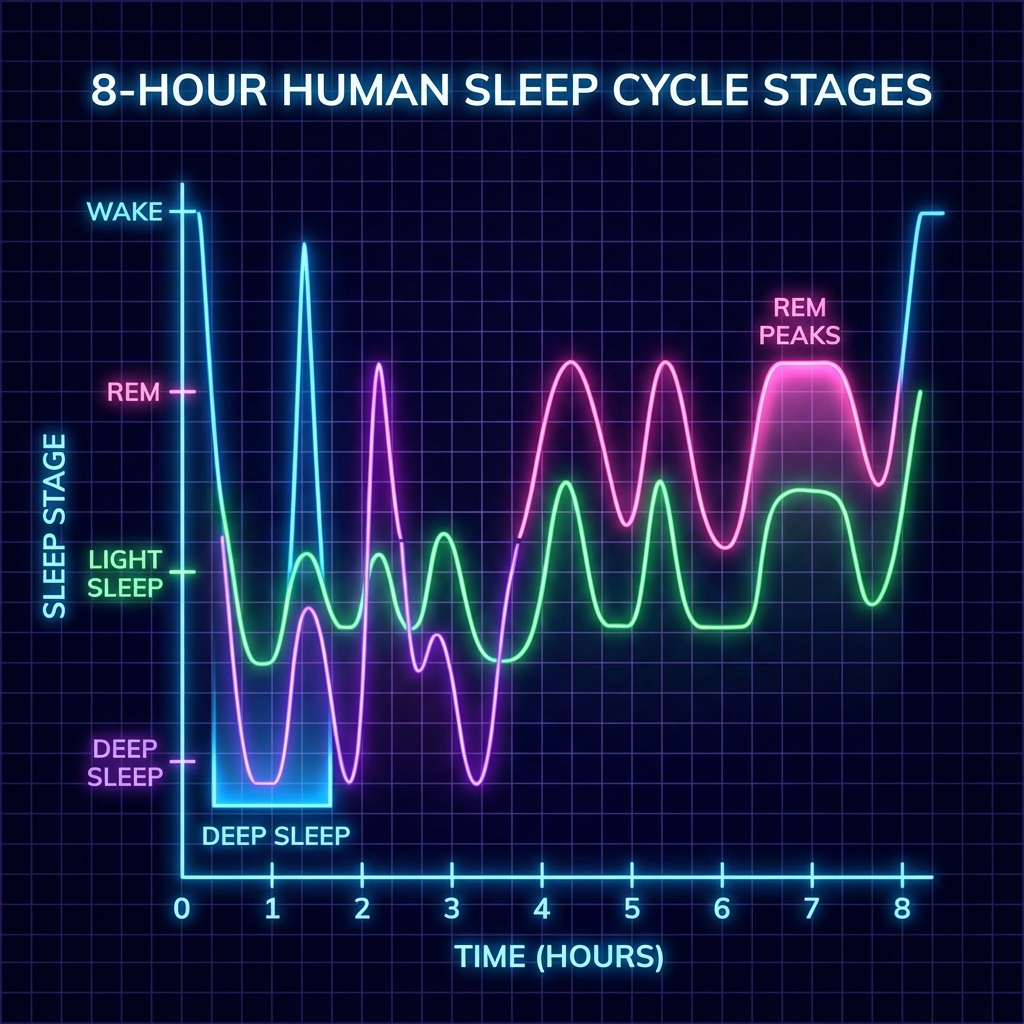
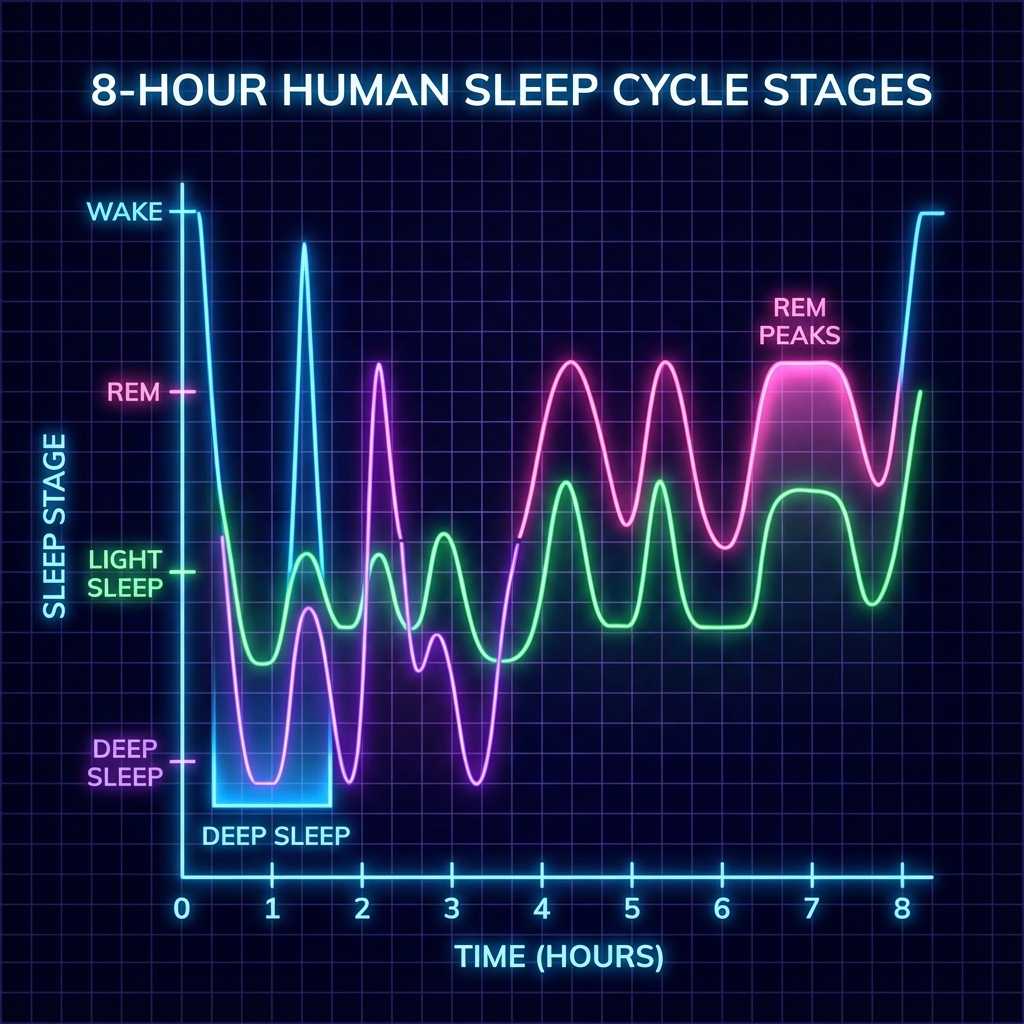
Sleep cycles last approximately 90 minutes. If you need to set an alarm, calculate backwards in 90-minute increments (e.g., 7.5 hours or 9 hours) to wake up at the end of a cycle, not during deep sleep. This prevents grogginess.
Final Thoughts
Improving your sleep quality is a journey, not a sprint. By implementing the insights from this guide on Non-Sleep Deep Rest (NSDR): The 20-Minute Protocol to Reset Your Brain, you are taking a crucial step towards better health. Remember, consistency is key. Sweet dreams.📚 Read More in This Series
🗣️ Readers’ Discussion: Have you tried this method? Or do you have a different trick? Leave a comment below—we read every single one.