

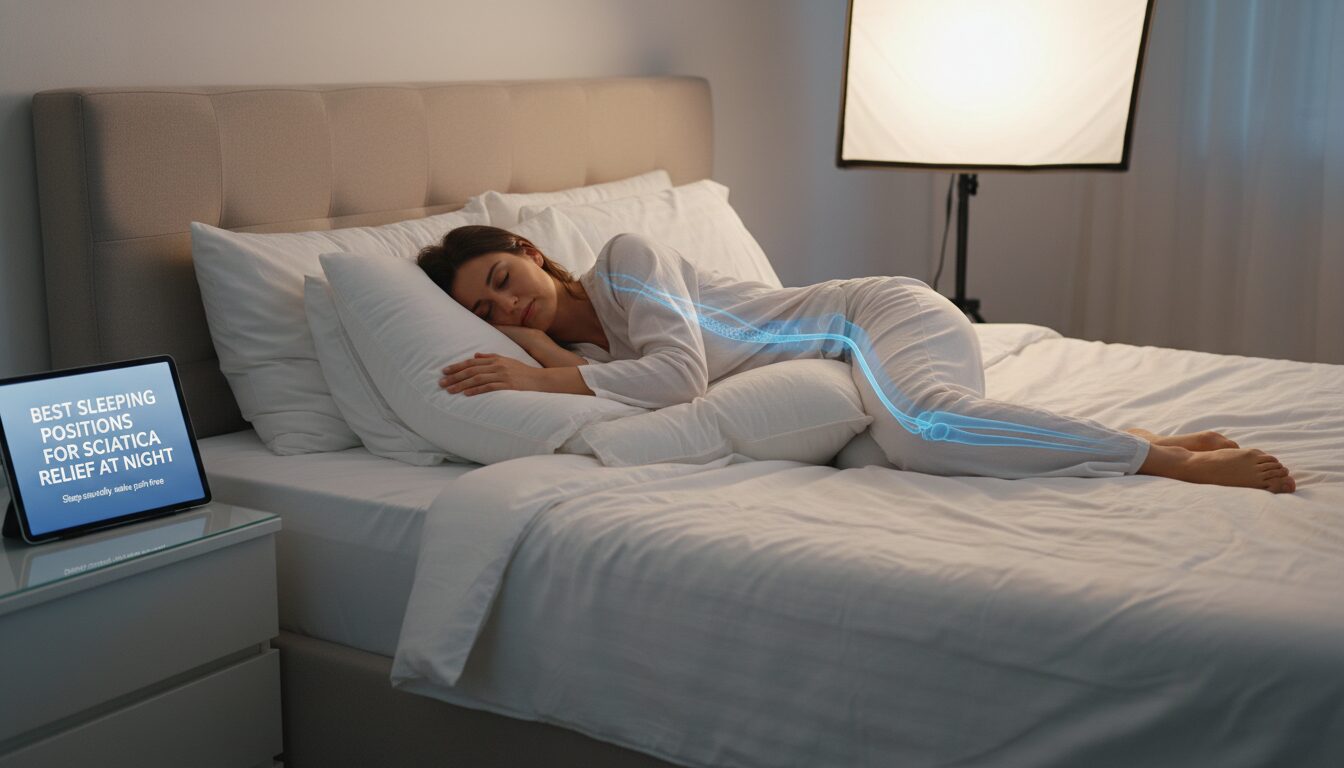
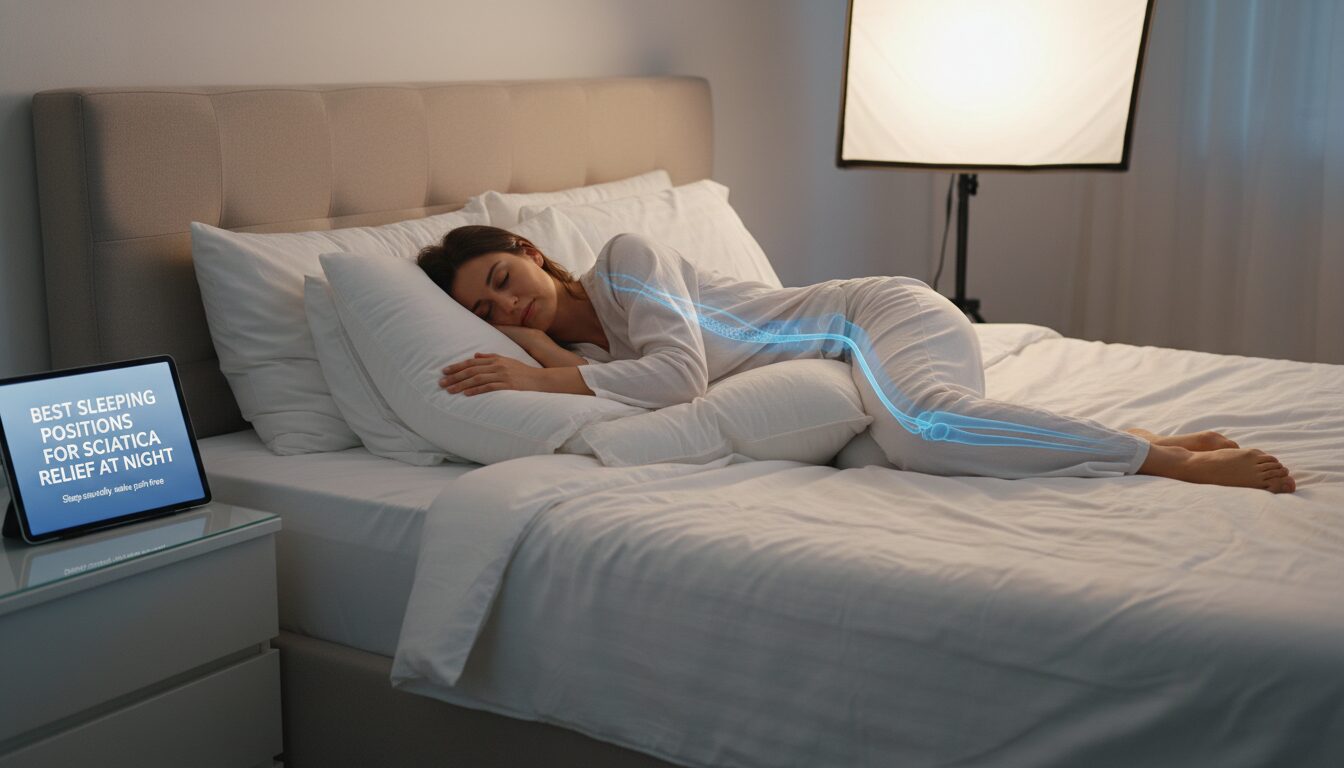
Sciatica is not merely a backache; it is a disruptive neurological experience that can turn the simple act of lying down into a grueling ordeal. As we navigate the health landscape of 2026, we have seen a significant shift in how we approach spinal wellness. With the rise of advanced ergonomic data and a deeper understanding of neural tension, the way you sleep has become a cornerstone of long-term recovery. When you suffer from sciatic nerve pain, your sleep environment and posture are either your greatest allies or your most persistent enemies.
The sciatic nerve is the longest and thickest nerve in your body, originating from the lower back and traveling through the hips and down each leg. When this nerve is compressed or irritated—often due to a herniated disc, bone spur, or muscle tension—the resulting pain can be sharp, burning, or even feel like an electric shock. For many of you, this discomfort intensifies at night. This happens because certain positions put direct pressure on the nerve or cause the spine to fall out of its natural alignment, leading to “nocturnal flare-ups.”
In this comprehensive guide, we will explore the most effective sleeping positions, the science behind spinal decompression during rest, and the latest 2026 sleep technologies designed to alleviate nerve pressure. By the end of this analysis, you will have a clear, actionable roadmap to reclaiming your sleep and allowing your body to heal while you rest.
Table of Contents
- The Anatomy of Sciatic Pain at Night
- The Side-Sleeping Strategy: Optimizing the Fetal Position
- Back Sleeping: Achieving Neutral Spinal Alignment
- The Risks of Stomach Sleeping and How to Mitigate Them
- The Role of Advanced Mattress Technology in 2026
- Pillow Ergonomics: Beyond Just Head Support
- Pre-Sleep Physical Therapy Routines for Nerve Decompression
- Managing Inflammation: The Role of Temperature and Hydration
- Case Study: Transforming Chronic Sciatica Through Sleep Modification
- When to Seek Specialist Intervention
- Creating the Ultimate Sleep Sanctuary for Nerve Health
- Frequently Asked Questions
- Key Takeaways
- Memory Foam Contours: These are excellent for back sleepers as they cradle the cervical spine.
- Adjustable Shredded Latex: We recommend this for side sleepers, as you can add or remove fill to match the width of your shoulders.
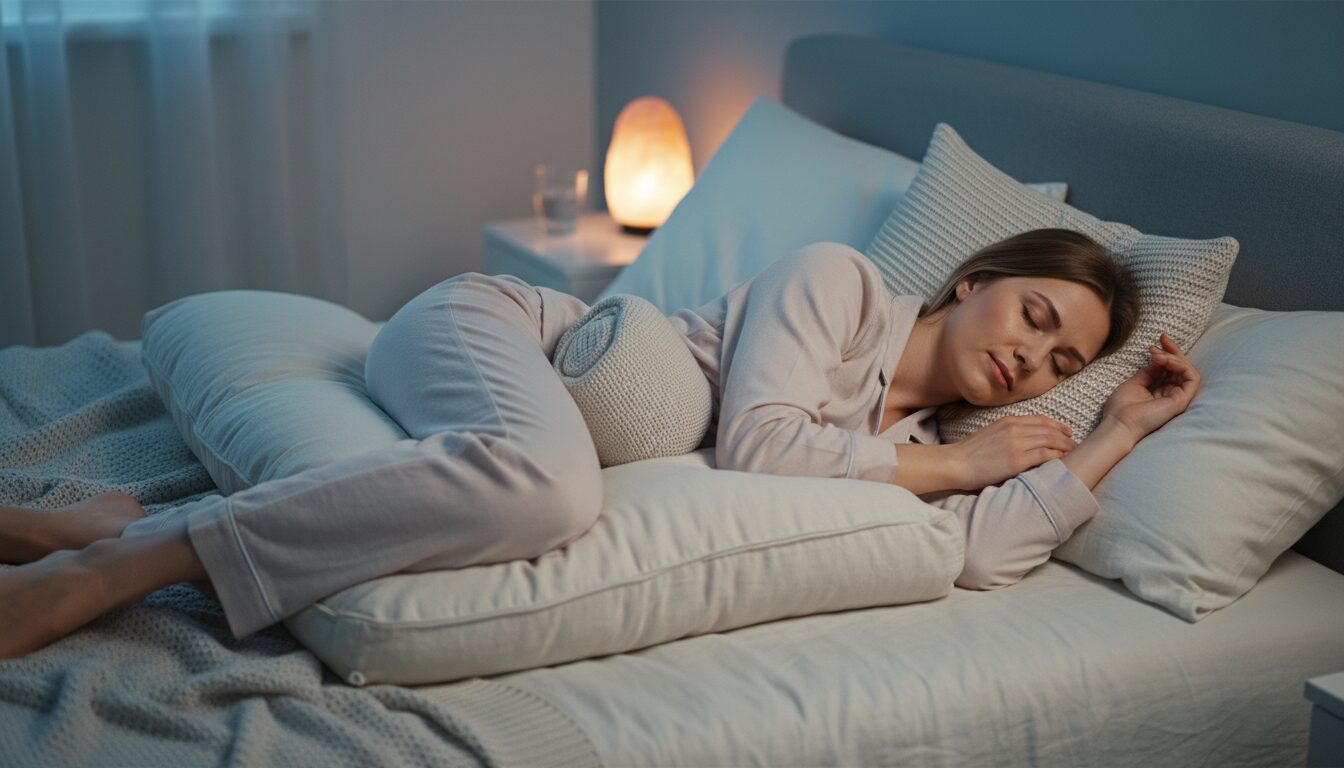
- Body Pillows: In 2026, full-body “U-shaped” pillows—originally designed for pregnancy—have become a mainstream tool for sciatica. They provide simultaneous support for the head, back, and knees, preventing you from tossing and turning into painful positions.
- Environment: Michael switched to a medium-firm hybrid mattress with zonal support.
- Position: He transitioned to side sleeping on his left side.
- Tools: He utilized a contoured leg spacer pillow and a U-shaped body pillow to prevent rolling back onto his stomach.
- Routine: He began a 10-minute “nerve flossing” and breathing routine before bed.
- Saddle Anesthesia: Numbness in the areas that would touch a horse’s saddle (groin, buttocks, inner thighs).
- Bladder/Bowel Dysfunction: Any sudden change in your ability to control these functions is a medical emergency.
- Foot Drop: If you find you cannot lift the front of your foot while walking.
- Unremitting Pain: Pain that does not change regardless of position or rest.
- Lighting: Use amber-toned lights 30 minutes before bed. Blue light from screens increases cortisol, which can heighten pain sensitivity.
- Sound: White noise or “pink noise” can help drown out the sudden sounds that might wake you during a light sleep phase, preventing the sudden muscle jerks that trigger sciatic pain.
- Humidity: Maintain a humidity level of around 50%. Dry air can lead to systemic dehydration, which we previously noted affects disc health.
The Anatomy of Sciatic Pain at Night
Understanding why you hurt more at night is the first step toward relief. When you are upright during the day, gravity exerts a vertical pressure on your spine. When you lie down, that pressure shifts horizontally. However, if your mattress is too soft or your position is awkward, the spine can “sag,” causing the vertebrae to pinch the nerve roots at the L4, L5, or S1 levels.
In 2026, clinical research has highlighted the concept of “neural tension.” This refers to the physical pulling of the nerve as you move. During sleep, if you extend your legs in a way that stretches the sciatic nerve while it is already inflamed, you experience “tug-of-war” pain. Furthermore, the inflammatory markers in your body tend to peak during the early morning hours, which is why many of you wake up feeling stiff and in significant pain around 3:00 or 4:00 AM.
Statistics from the American Spinal Health Institute (2025 data) suggest that nearly 40% of Americans will experience sciatica at some point in their lives. Of those, 70% report that sleep quality is the most significant factor impacting their daily productivity. By mastering your sleep posture, you are not just “getting through the night”; you are actively reducing the mechanical stress that prevents your discs from healing.
| Phase of Sleep | Spinal Impact | Sciatica Symptom Potential |
|---|---|---|
| Initial Onset | Muscle relaxation begins | Sharp pain if position is incorrect |
| REM Sleep | Muscle atonia (paralysis) | Deep ache due to lack of protective movement |
| Early Morning | Peak inflammation | Intense stiffness and “lightning” pains |
The Side-Sleeping Strategy: Optimizing the Fetal Position
Side sleeping is the most popular position in the United States, and for good reason. When done correctly, it can open up the foramina—the small openings in the spine through which nerve roots exit. This takes immediate pressure off the sciatic nerve.
The “Knee-to-Chest” Modification
We recommend that you lie on your “good” side (the side that does not hurt). Draw your knees up slightly toward your chest. This position, often called the fetal position, rounds the lower back and creates space between the vertebrae.
The Essential Role of the Spacer Pillow
The most common mistake you might make is letting your top leg slide forward and touch the mattress. This rotates your pelvis and puts a twisting strain on your lower back. You should place a firm, contoured pillow between your knees and ankles. This keeps your hips, pelvis, and spine in a straight, neutral line. In 2026, we see a rise in “anatomical leg spacers” which are specifically designed with cooling gel and memory foam to maintain this alignment without slipping during the night.
Back Sleeping: Achieving Neutral Spinal Alignment
For many patients, lying flat on the back (the supine position) is the most effective way to distribute body weight evenly. However, lying completely flat can actually arch the lower back, increasing the “pinch” on the nerve.
The Knee Elevation Technique
To neutralize this, we suggest you place a medium-sized wedge pillow or two plush pillows underneath your knees. This slight elevation (about 30 to 45 degrees) flattens the lumbar curve against the mattress. It relaxes the psoas muscle, which is often tight in sciatica sufferers and contributes to the pulling sensation in the lower back.
The “Lumbar Roll” Support
If you find that your lower back still feels unsupported, you may benefit from a small, rolled-up towel or a dedicated lumbar roll placed in the small of your back. This provides a gentle counter-pressure that maintains the natural inward curve of the spine without allowing it to collapse into a painful arch.
| Position | Primary Benefit | Best For |
|---|---|---|
| Side Sleeping | Opens spinal canal | Disc herniation relief |
| Back Sleeping | Weight distribution | Foraminal stenosis relief |
| Fetal Position | Relieves tension | Acute, sharp pain phases |
The Risks of Stomach Sleeping and How to Mitigate Them
In the professional community, we generally advise against stomach sleeping for those with sciatica. This position typically causes the spine to sink toward the mattress, creating an exaggerated arch (hyperextension). Furthermore, you must turn your head to one side to breathe, which creates a rotational strain that travels all the way down the spinal column to the lower back.
However, we understand that habits are hard to break. If you absolutely cannot sleep in any other way, you must use a “pelvic pillow.” Placing a thin, flat pillow under your lower abdomen and pelvis can lift the hips enough to prevent the lower back from sagging. You should also experiment with sleeping without a head pillow, or using a very thin one, to keep the neck and upper back as flat as possible.
The Role of Advanced Mattress Technology in 2026
The year 2026 has brought about a revolution in “Reactive Sleep Surfaces.” We are no longer limited to just “firm” or “soft.” Modern mattresses now utilize AI-driven pressure mapping.
Adaptive Firmness
Many of the leading mattress models you see today feature internal sensors that detect where your body is applying the most pressure. For a sciatica sufferer, these beds can automatically soften under the shoulder and hip while remaining firm under the waist. This “zonal support” ensures that your spine remains perfectly horizontal, regardless of your movement.
Temperature Regulation and Nerve Calming
Nerve pain is often exacerbated by heat. Newer mattresses integrate “phase-change materials” (PCM) that actively pull heat away from the body. Maintaining a cooler skin temperature helps reduce localized inflammation around the nerve root. We recommend looking for mattresses that offer a “cool-to-the-touch” surface, as this can provide a numbing effect that helps you drift off faster during a flare-up.
Pillow Ergonomics: Beyond Just Head Support
Your choice of pillow is as critical as your mattress. In the context of sciatica, the pillow’s job is to fill the gap between your head and the mattress so that your neck remains in line with your spine.
Pre-Sleep Physical Therapy Routines for Nerve Decompression
What you do thirty minutes before bed determines how you will feel three hours into your sleep. We recommend a “Decompression Protocol” to prepare your nervous system for rest.
The Nerve Glide (Sciatic Flossing)
This is a gentle exercise where you sit on the edge of the bed, straighten one leg, and flex your ankle while moving your head. This “flosses” the nerve through the surrounding tissues, breaking up minor adhesions that cause nighttime tugging.
The Reclined Pigeon Stretch
Lying on your back, cross the ankle of your painful leg over the opposite knee. Gently pull the non-painful leg toward your chest. This stretches the piriformis muscle, which frequently compresses the sciatic nerve. Holding this for 30 seconds on each side can significantly reduce the “deep buttock pain” that keeps many awake.
“The goal of pre-sleep movement is not to build strength, but to signal to the nervous system that the ‘danger’ of movement has passed. We want to desensitize the nerve before it hits the pillow.” — Dr. Elena Rodriguez, Spinal Rehabilitation Specialist (2026)
Managing Inflammation: The Role of Temperature and Hydration
Sleep is a metabolic process. If your body is dehydrated, your spinal discs—which are primarily composed of water—shrink slightly, reducing the space for your nerves.
Hydration and Disc Volume
We suggest you maintain consistent hydration throughout the day, though you should taper off an hour before bed to avoid frequent trips to the bathroom. In 2026, we also focus on “anti-inflammatory hydration,” such as water infused with ginger or turmeric, which can provide a mild, natural systemic reduction in swelling.
Heat vs. Cold Therapy
Before lying down, applying a cold pack to the lower back for 15 minutes can numb the irritated nerve. Conversely, if your sciatica is caused by muscle spasms (like piriformis syndrome), a heating pad can relax the tissues. We recommend the “Contrast Method”: 10 minutes of heat to relax the muscles, followed by 5 minutes of cold to reduce the inflammation before you finally close your eyes.
Case Study: Transforming Chronic Sciatica Through Sleep Modification
Subject: Michael, a 45-year-old software engineer in Seattle.
Symptoms: Sharp radiating pain from the right buttock to the calf, intensified by 4:00 AM every night.
Old Habits: Slept on his stomach on a 10-year-old traditional spring mattress; used one flat pillow.
The 2026 Intervention:
The Results:
After the first week, Michael reported that his “lightning strikes” had decreased from five times per night to once. By week four, he was sleeping six consecutive hours without waking up in pain. His morning stiffness, which used to last two hours, was reduced to 15 minutes of mild discomfort. This case highlights that while the injury (a bulging disc at L5) remained, the symptoms were managed through mechanical hygiene.
When to Seek Specialist Intervention
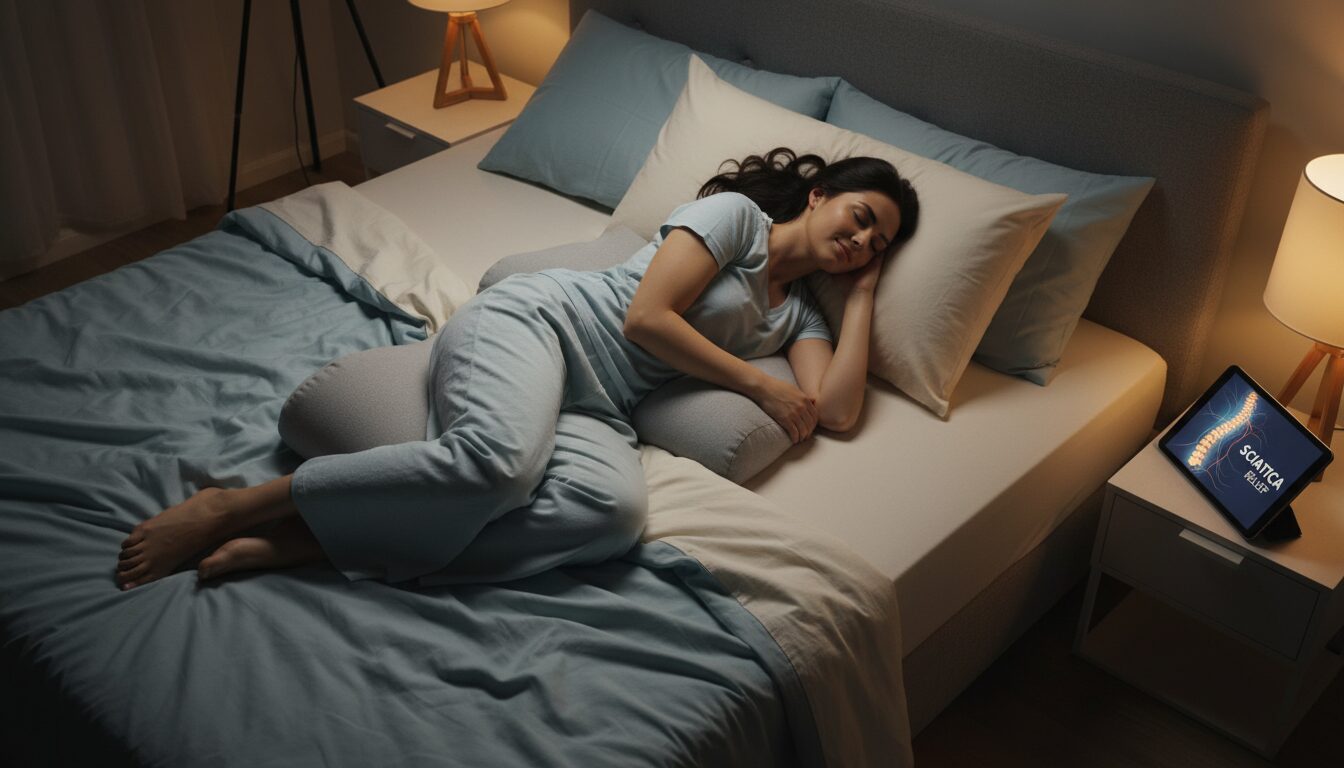
While optimizing your sleeping position is transformative, it is not a substitute for medical care in severe cases. In 2026, we have very clear “Red Flag” protocols. You should consult a spinal specialist or visit an emergency facility if you experience the following:
For standard sciatica, a combination of physical therapy, ergonomic adjustment, and potentially regenerative medicine (which has seen massive leaps in 2026) is the gold standard for care.
| Symptom Severity | Recommended Action | Sleep Adjustment Focus |
|---|---|---|
| Mild / Occasional | Self-correction | Pillow placement & stretching |
| Moderate / Chronic | Physical Therapy | Mattress upgrade & nerve gliding |
| Severe / Neurological | Immediate Medical Consult | Maintaining neutral spine until surgery/intervention |
Creating the Ultimate Sleep Sanctuary for Nerve Health
Your bedroom environment plays a psychological role in pain perception. When you are in pain, your nervous system is in a state of “high alert” (the sympathetic nervous system). To sleep, you must transition to the “rest and digest” state (the parasympathetic nervous system).
Frequently Asked Questions
1. Is a hard floor better for sciatica than a bed?
While some people find temporary relief on a hard surface because it prevents the spine from sagging, it is generally not a long-term solution. A hard floor creates pressure points on the hips and shoulders. We recommend a “medium-firm” mattress that offers both support and pressure relief.
2. Should I use a recliner chair instead of a bed?
Many patients find that sleeping in a recliner relieves sciatica, especially if the cause is spinal stenosis. This is because the reclined position keeps the hips flexed, which opens the spinal canal. If you find relief in a recliner, you may want to consider an adjustable bed base for your mattress, which allows you to achieve the “zero-gravity” position.
3. How long does it take for a new sleeping position to work?
Your body needs time to adjust. You might feel slightly awkward for the first 3-4 nights. Typically, you will begin to notice a decrease in morning stiffness within 7 to 10 days of consistent postural correction.
4. Can a weighted blanket help with sciatica?
Weighted blankets are excellent for reducing anxiety and calming the nervous system. However, be careful that the blanket isn’t so heavy that it pins your legs in a single position all night. You need to be able to make micro-adjustments to your posture.
5. Why does my sciatica switch legs when I sleep?
This often happens if you have a central disc protrusion or if you are tossing and turning in a way that shifts the pressure from one side of the spinal cord to the other. Using a body pillow to stabilize your position can often prevent this “shifting” pain.
6. Can I use a heating pad all night?
We do not recommend using a heating pad all night as it can cause skin burns or lead to “rebound inflammation.” Use a heating pad with an automatic 20-minute shut-off timer to help you fall asleep.
7. What is the “Zero-Gravity” position?
The Zero-Gravity position involves lying on your back with both your head and your knees elevated above the level of your heart. This mimics the position astronauts take during liftoff to minimize stress on the body. It is highly effective for sciatica because it completely decompresses the spine.
Key Takeaways
* Side Sleepers: Always use a pillow between your knees to prevent pelvic rotation.
* Back Sleepers: Elevate your knees with a wedge pillow to flatten the lumbar curve.
* Avoid: Sleeping on your stomach without pelvic support, as it hyperextends the spine.
* Technology: In 2026, consider reactive mattresses and cooling materials to manage nerve inflammation.
* Preparation: Use “nerve flossing” and the reclined pigeon stretch before bed to desensitize the sciatic nerve.
* Consistency: Postural changes take about a week to show significant results in morning stiffness.
Conclusion
Reclaiming your night from the clutches of sciatica requires a shift in perspective. You must stop viewing sleep as a passive state and start seeing it as an active recovery period. When you align your spine, support your limbs, and utilize the ergonomic advancements of 2026, you provide your body with the environment it needs to reduce inflammation and heal compressed tissues.
Remember that while these positions provide relief, they are part of a broader holistic approach to spinal health. Combine these sleep strategies with proper hydration, stress management, and a dedicated physical therapy routine. You don’t have to accept restless, painful nights as your “new normal.” By applying the principles of neutral alignment and neural decompression, you can finally wake up feeling refreshed, mobile, and ready to face the day without the shadow of sciatic pain.
Your journey to a pain-free night starts with a single pillow adjustment. We recommend that you try the side-sleeping modification tonight—it is the most immediate and effective way to give your sciatic nerve the space it deserves. Sleep well, and let your recovery begin.