
⚡ Quick Summary
- The Core Issue: Understanding the fundamentals is key to fixing sleep.
- The Solution: Applied science and consistency outperform expensive gadgets.
- Bottom Line: Read below for the detailed breakdown.
Key Takeaways
- Summary: IntroductionObstructive Sleep Apnea (OSA) affects millions, yet many go undiagnosed. It causes you to stop breathing repeatedly during the night,…
- Action: Read below for the full scientific breakdown.
Introduction
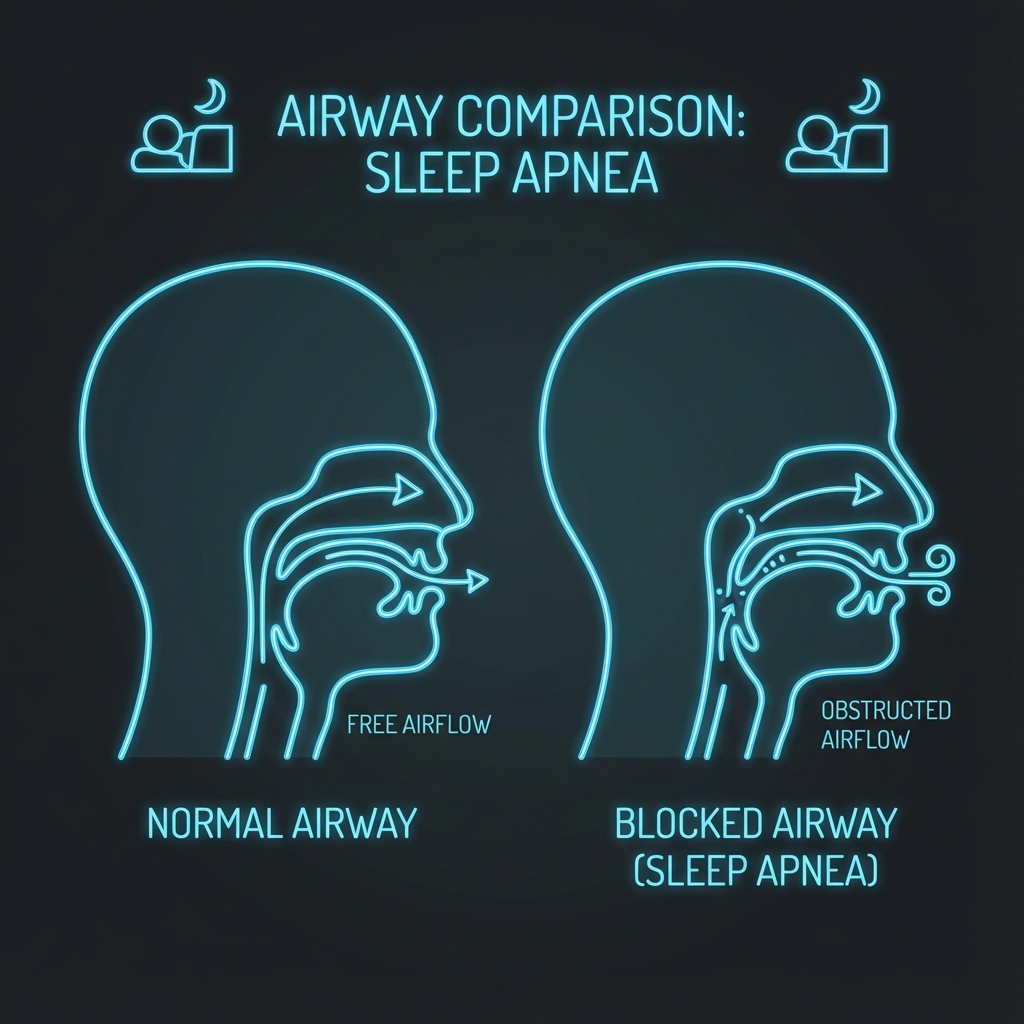
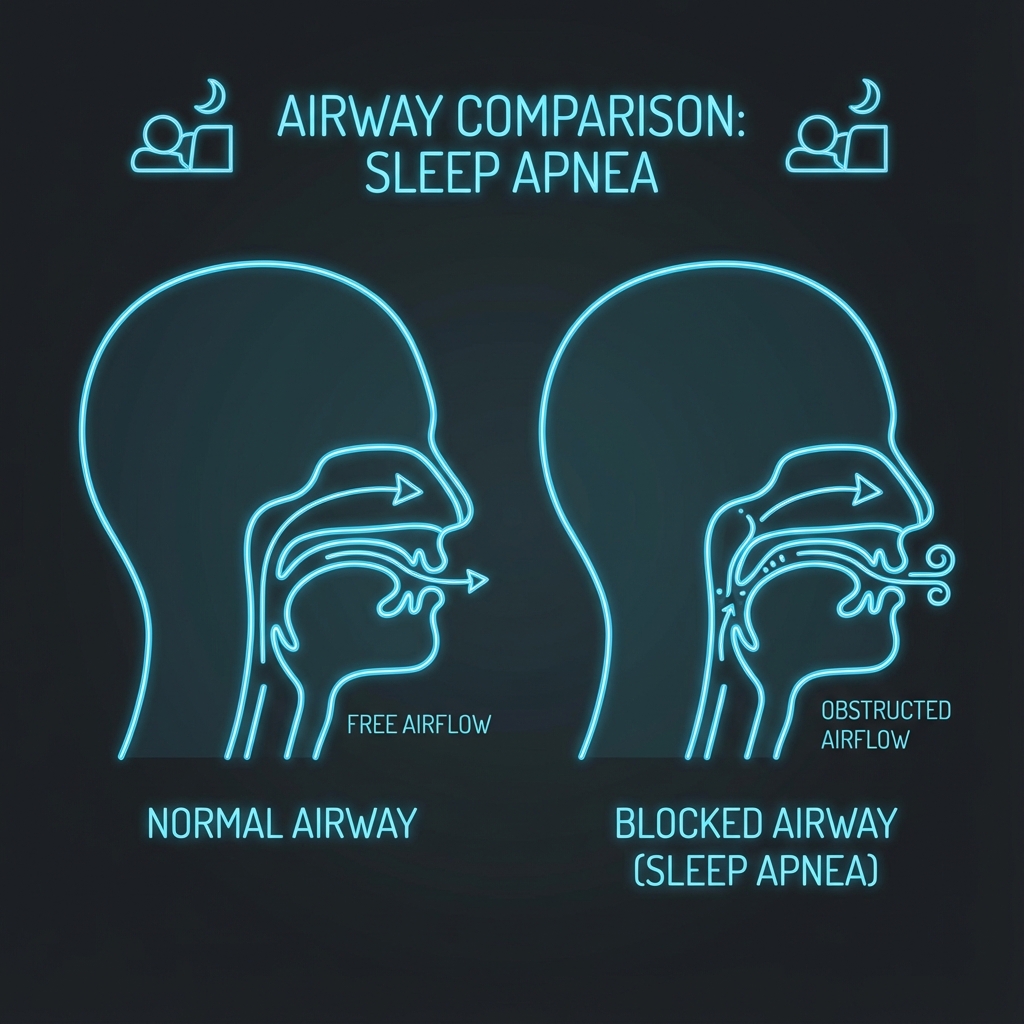
Obstructive Sleep Apnea (OSA) affects millions, yet many go undiagnosed. It causes you to stop breathing repeatedly during the night, shattering your sleep architecture.
Beyond Snoring: Key Signs
Look out for morning headaches, excessive daytime sleepiness, and dry mouth upon waking. If you wake up gasping for air, that is a red flag.
The Health Impact
Untreated sleep apnea puts immense strain on your heart, increasing the risk of hypertension and stroke. It also prevents you from achieving deep sleep, hindering the brain’s cleaning process.
When to See a Doctor
If your partner notices you stop breathing or if you are constantly tired despite 8 hours in bed, consult a sleep specialist immediately.
Conclusion
Sleep Apnea is treatable with CPAP machines or lifestyle changes. Diagnosis is the first step to reclaiming your energy.
Read Next: Why Your Neck Hurts: Pillow Guide
Why This Matters Now
In our modern, always-on society, sleep is often the first thing sacrificed. However, understanding these principles is crucial for long-term health. Chronic sleep deprivation is linked to numerous health issues, making this knowledge not just interesting, but vital.
By prioritizing your rest, you are investing in your future productivity, mood stability, and physical longevity.
When to See a Doctor
While lifestyle changes are the first line of defense, chronic issues may indicate an underlying condition like Sleep Apnea or RLS. If symptoms persist for more than 3 weeks despite your best efforts, consult a specialist.
Long-Term Health Impact
Ignoring this issue isn’t just about being tired. Chronic sleep deprivation is linked to long-term health risks including cardiovascular disease, weakened immunity, and metabolic disorders.