
⚡ Quick Summary
- The Myth: Sleeping 12 hours on Saturday fixes 5 days of deprivation.
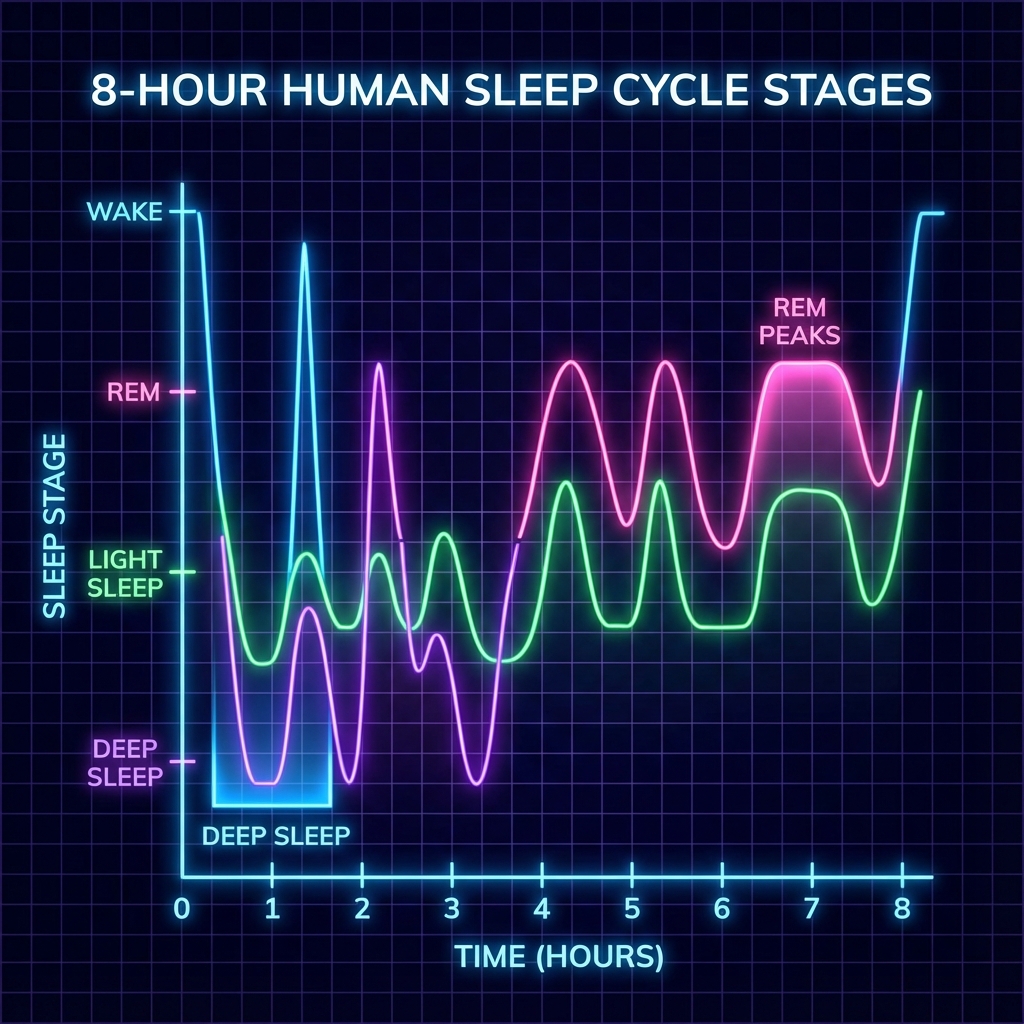
- The Reality: Cognitive performance can take up to 9 days to fully recover.
- The Fix: Gradual “payments” via naps and earlier bedtimes are safer.
The Biology of the Deficit
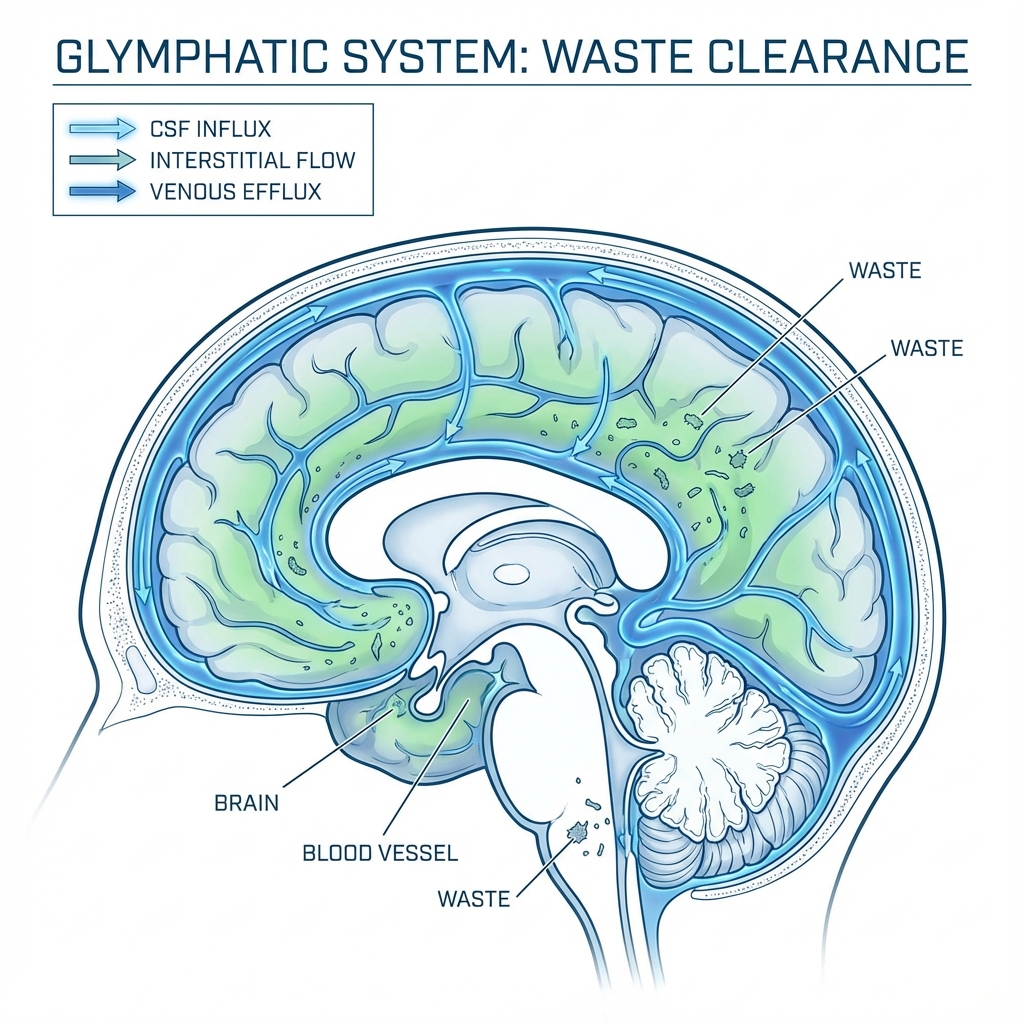
When you skip sleep, you aren’t just tired. You are accumulating adenosine and failing to flush out neurotoxins via the Glymphatic System. A study found that losing just 1 hour of sleep per night for a week is equivalent to staying awake for 24 hours straight in terms of cognitive decline.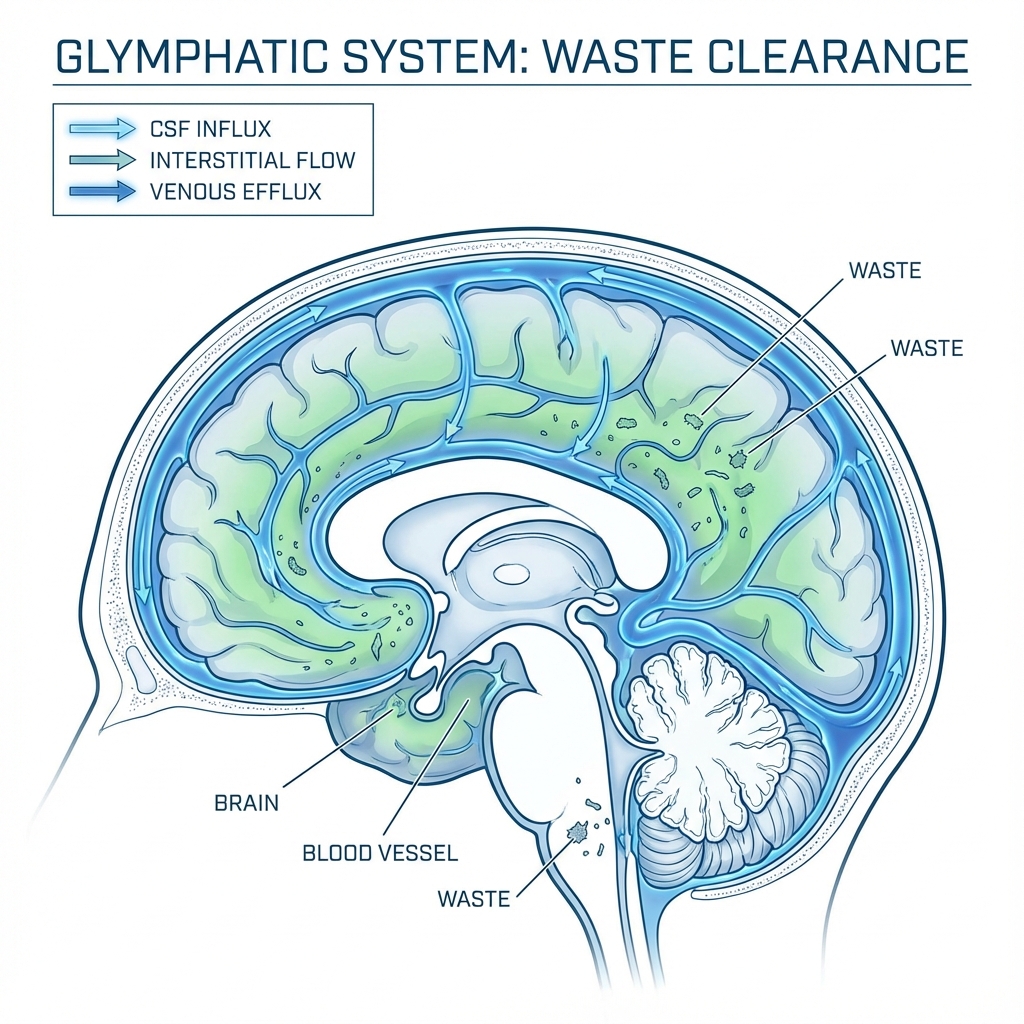
The “Weekend Warrior” Trap
Binging on sleep during the weekend (sleeping until noon) creates “Social Jetlag”. It throws off your circadian rhythm, making Sunday night insomnia inevitable. This perpetuates the cycle of debt into the next week.🧬 Science Spotlight
A 2023 study published in the Journal of Sleep Research found that consistency in wake-up times is 3x more effective for energy levels than sleep duration alone. Your brain craves predictability over quantity.
How to Actually Pay It Back
1. The “Nappuccino”: Use caffeine naps to clear adenosine without grogginess. 2. Go to Bed Early, Don’t Wake Late: Anchoring your wake-up time preserves your biological clock. Add recovery sleep to the start of your night, not the end.How long does it take to recover from 24 hours of no sleep?
Most data suggests it takes about 2-3 full nights of unrestricted sleep to return to baseline reaction times.
Does sleep debt cause weight gain?
Yes. Sleep deprivation increases ghrelin (hunger hormone) and decreases leptin (fullness hormone), leading to an average intake of 300 extra calories per day.
🗣️ Readers’ Discussion: Have you tried this method? Or do you have a different trick? Leave a comment below—we read every single one.

So good thanks