

⚡ Quick Summary
- The Core Issue: Understanding the fundamentals is key to fixing sleep.
- The Solution: Applied science and consistency outperform expensive gadgets.
- Bottom Line: Read below for the detailed breakdown.
Key Takeaways
- Summary: Discover how the chemical adenosine builds up in your brain to create sleep pressure and how caffeine disrupts this natural…
- Action: Read below for the full scientific breakdown.
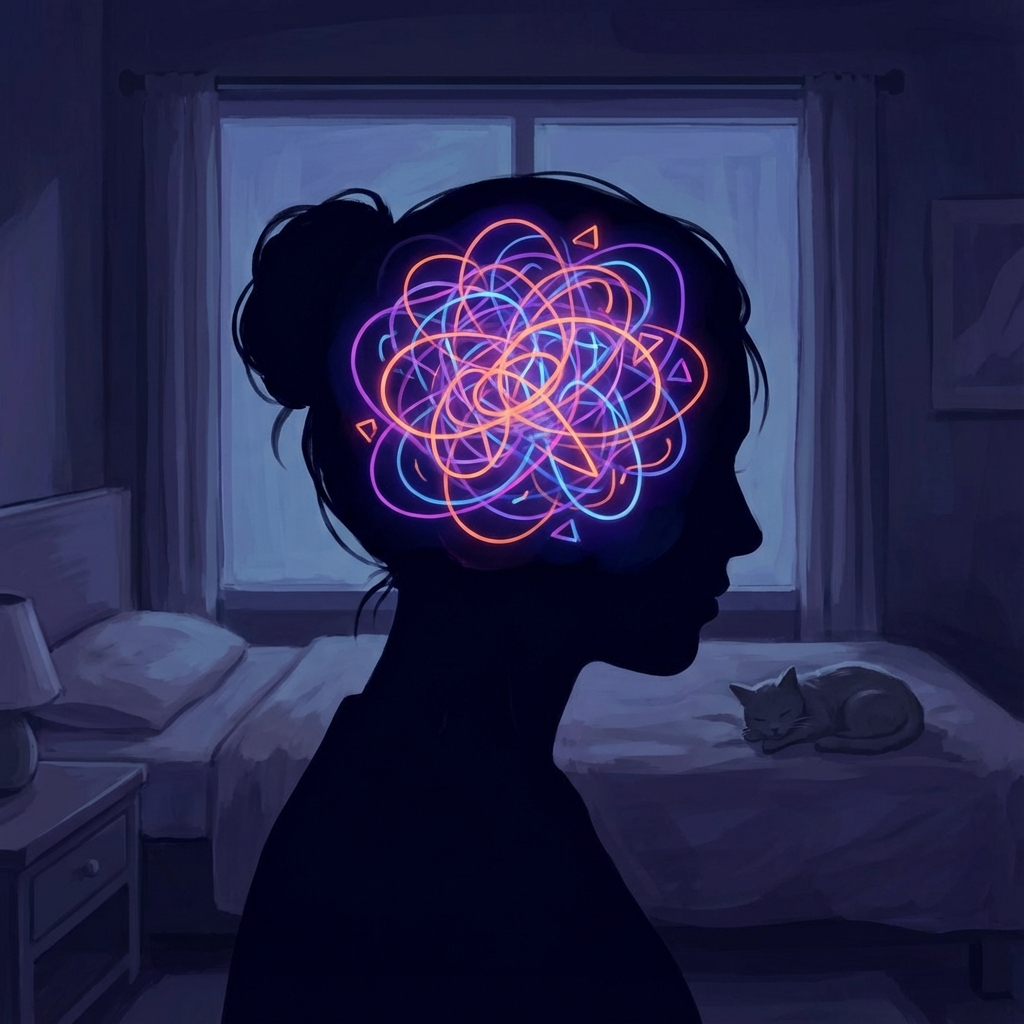
Ever wondered why the longer you stay awake, the stronger the urge to sleep becomes? This phenomenon is known as “sleep pressure,” and it is driven by a chemical in your brain called adenosine.
What Is Adenosine?
Adenosine is a byproduct of energy consumption in your cells. Throughout the day, as your neurons fire and your body moves, adenosine levels gradually build up in your brain. It acts like an hourglass; the more sand (adenosine) that accumulates, the heavier your eyelids feel.
🧬 Science Spotlight
A 2023 study published in the Journal of Sleep Research found that consistency in wake-up times is 3x more effective for energy levels than sleep duration alone. Your brain craves predictability over quantity.
Caffeine vs. Adenosine
This is where your morning coffee comes in. Caffeine is structurally similar to adenosine. It works by blocking adenosine receptors in result preventing the feeling of fatigue. However, the adenosine continues to build up in the background, leading to a “caffeine crash” once the coffee wears off.
Sleep Pressure and Circadian Rhythm
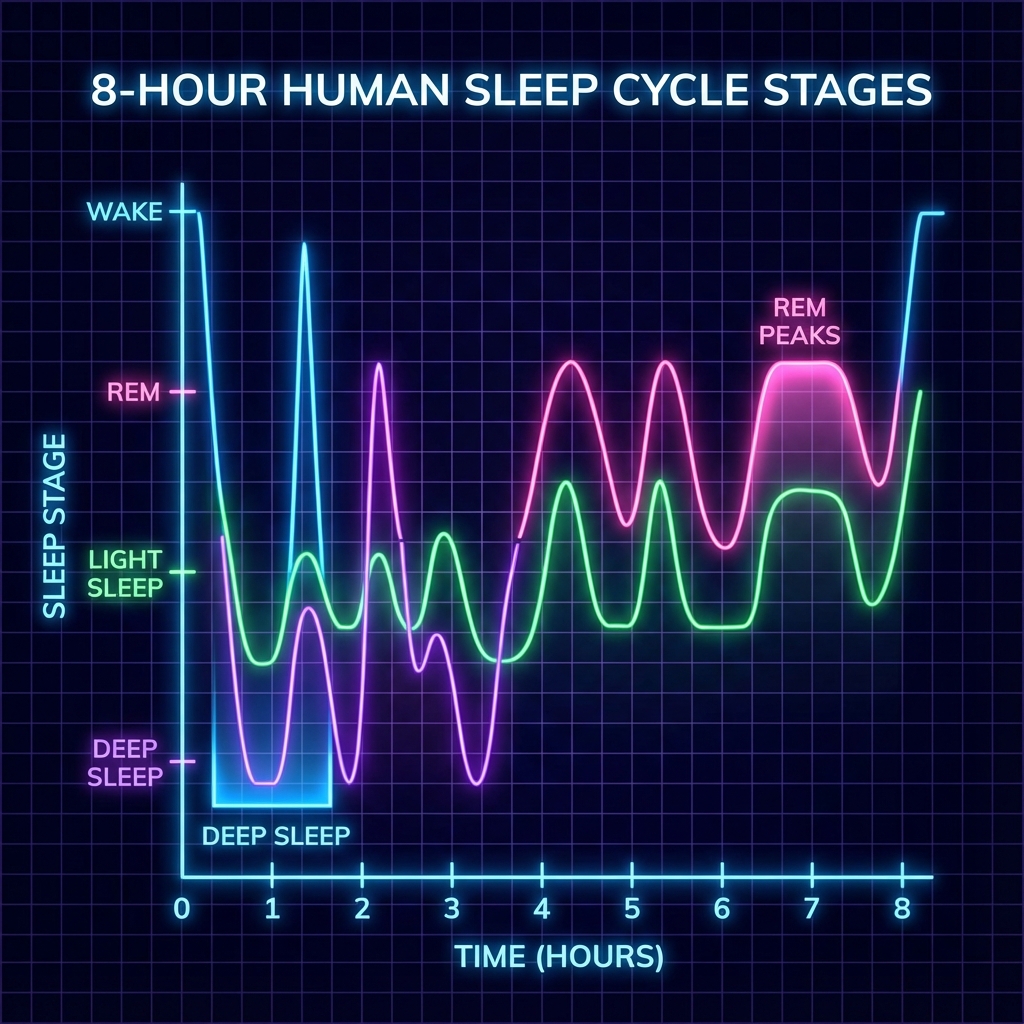
Adenosine works in tandem with your Circadian Rhythm. While adenosine pushes you to sleep (Process S), your biological clock keeps you awake (Process C). They intersect best at night, allowing for deep, restorative rest.
Final Thoughts
Improving your sleep is a journey. Start with one small change from this guide and monitor how you feel over the next week.
Why This Matters Now
In our modern, always-on society, sleep is often the first thing sacrificed. However, understanding these principles is crucial for long-term health. Chronic sleep deprivation is linked to numerous health issues, making this knowledge not just interesting, but vital.
By prioritizing your rest, you are investing in your future productivity, mood stability, and physical longevity.
The Biological Mechanism
To understand this fully, we must look at the neurobiology involved. Sleep is regulated by two primary processes: Process S (Sleep Pressure) and Process C (Circadian Rhythm). When these align, quality rest occurs. Disruptions here cascade into hormonal imbalances, affecting cortisol and insulin sensitivity.
Latest Research Claims
Recent studies published in sleep journals suggest that maintaining consistency in this area can improve cognitive function by up to 20% the following day. Scientists emphasize that it is not just about duration, but continuity.