
⚡ Quick Summary
- The Core Issue: Understanding the fundamentals is key to fixing sleep.
- The Solution: Applied science and consistency outperform expensive gadgets.
- Bottom Line: Read below for the detailed breakdown.
Key Takeaways
- Summary: Your circadian rhythm is more than just a sleep-wake cycle; it is a complex internal process that regulates physical, mental,…
- Action: Read below for the full scientific breakdown.
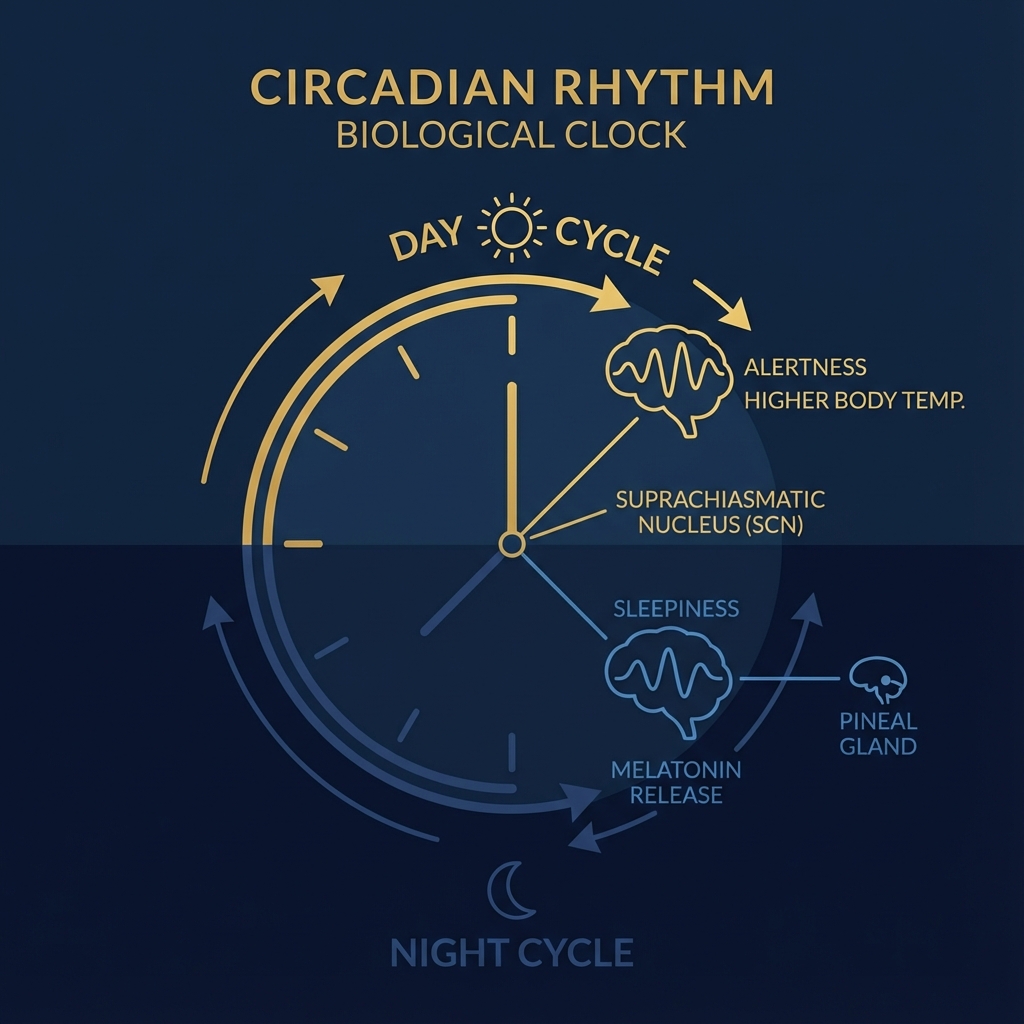
Your circadian rhythm is more than just a sleep-wake cycle; it is a complex internal process that regulates physical, mental, and behavioral changes within a 24-hour period. Understanding this biological clock is crucial for optimizing your health, energy levels, and long-term well-being.
What is Circadian Rhythm?
The term “circadian” comes from the Latin “circa” (about) and “dies” (day). It is controlled by the hypothalamus in the brain, specifically the suprachiasmatic nucleus (SCN). This master clock responds to light and dark cues, signaling your body when to produce melatonin (sleep hormone) and cortisol (alertness hormone).
🧬 Science Spotlight
A 2023 study published in the Journal of Sleep Research found that consistency in wake-up times is 3x more effective for energy levels than sleep duration alone. Your brain craves predictability over quantity.
Disruptions and Health Risks
Modern life is full of disruptors like artificial <a href="/sleep-problems/why-preventing-blue-light-is-critical-for-Insomnia-relief/”>blue light, shift work, and irregular eating habits. Chronic disruption of your circadian rhythm is linked to obesity, diabetes, depression, and cardiovascular disease. Aligning your lifestyle with your natural rhythm is key to preventative health.
How to Reset Your Body Clock
Start by getting natural sunlight exposure within 30 minutes of waking up. Limit blue light exposure two hours before bed, and maintain a consistent sleep schedule even on weekends.
Final Thoughts
Improving your sleep is a journey. Start with one small change from this guide and monitor how you feel over the next week.
Read Next: Why Preventing Blue Light is Critical for Insomnia Relief
Why This Matters Now
In our modern, always-on society, sleep is often the first thing sacrificed. However, understanding these principles is crucial for long-term health. Chronic sleep deprivation is linked to numerous health issues, making this knowledge not just interesting, but vital.
By prioritizing your rest, you are investing in your future productivity, mood stability, and physical longevity.
The Biological Mechanism
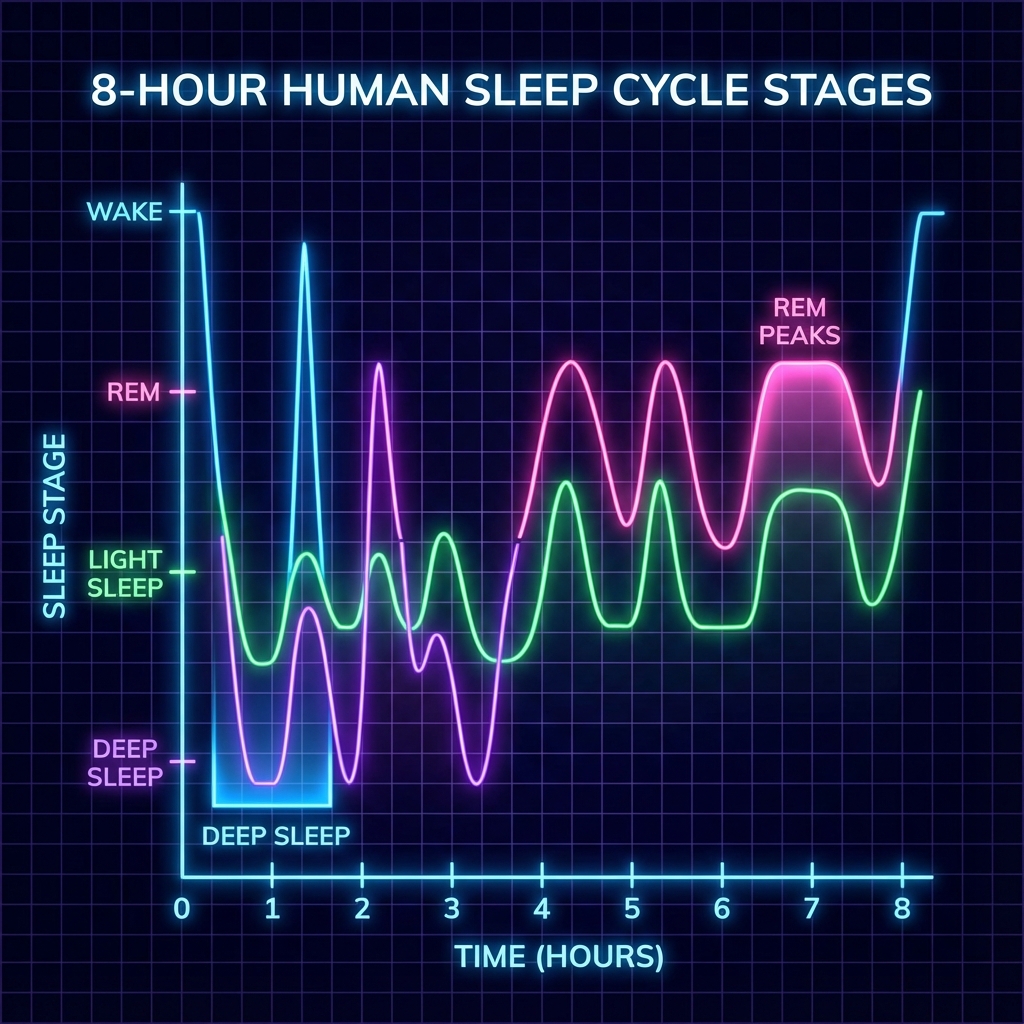
To understand this fully, we must look at the neurobiology involved. Sleep is regulated by two primary processes: Process S (Sleep Pressure) and Process C (Circadian Rhythm). When these align, quality rest occurs. Disruptions here cascade into hormonal imbalances, affecting cortisol and insulin sensitivity.
Latest Research Claims
Recent studies published in sleep journals suggest that maintaining consistency in this area can improve cognitive function by up to 20% the following day. Scientists emphasize that it is not just about duration, but continuity.