

⚡ Quick Summary
- The Core Issue: Understanding the fundamentals is key to fixing sleep.
- The Solution: Applied science and consistency outperform expensive gadgets.
- Bottom Line: Read below for the detailed breakdown.
Key Takeaways
- Summary: IntroductionWe often focus on mattresses and darkness, but what you put in your stomach is just as important. Certain nutrients…
- Action: Read below for the full scientific breakdown.
Introduction
We often focus on mattresses and darkness, but what you put in your stomach is just as important. Certain nutrients can act as natural sedatives.
The Power of Magnesium and Tryptophan
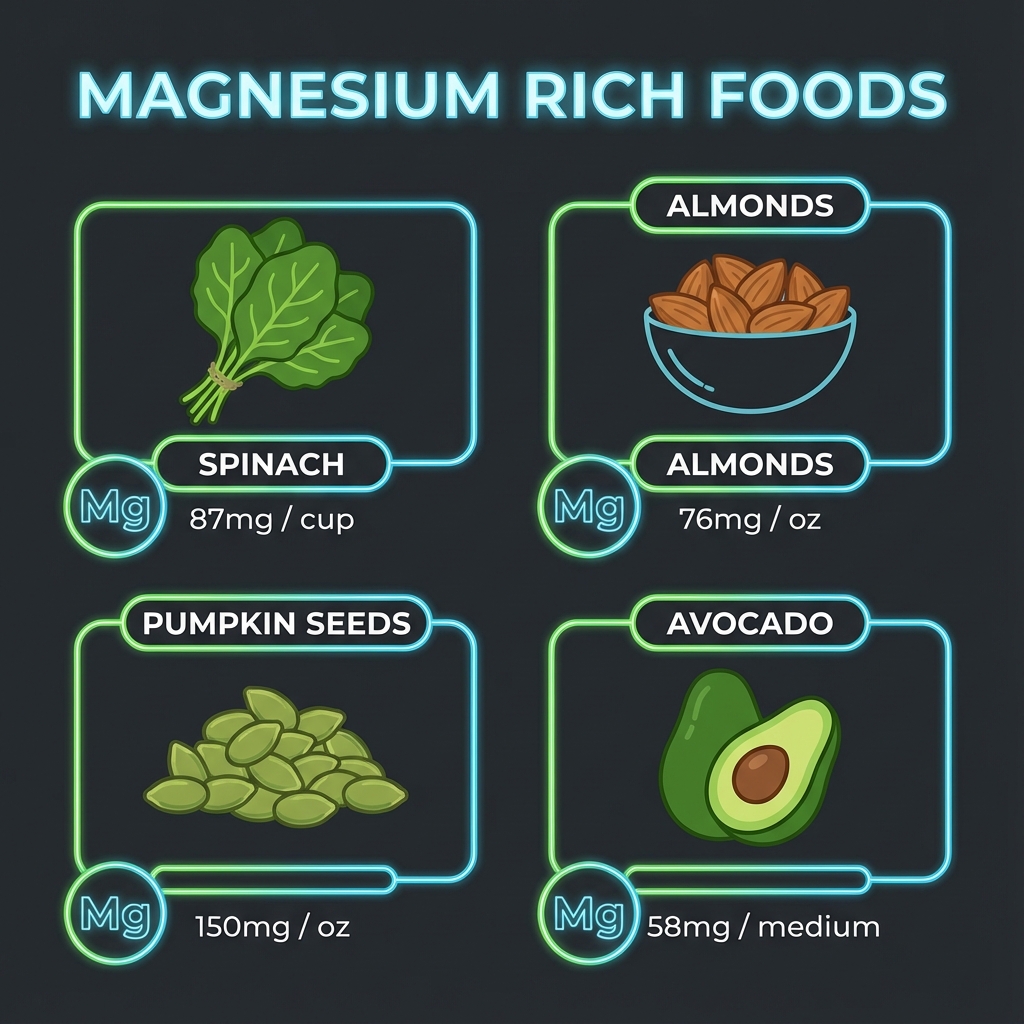
Foods like almonds, turkey, and tart cherry juice are excellent choices. Tart cherries are one of the few natural sources of melatonin. Magnesium, found in spinach and nuts, helps relax muscles and calm the nervous system.
💡 Pro Tip: The 90-Minute Rule
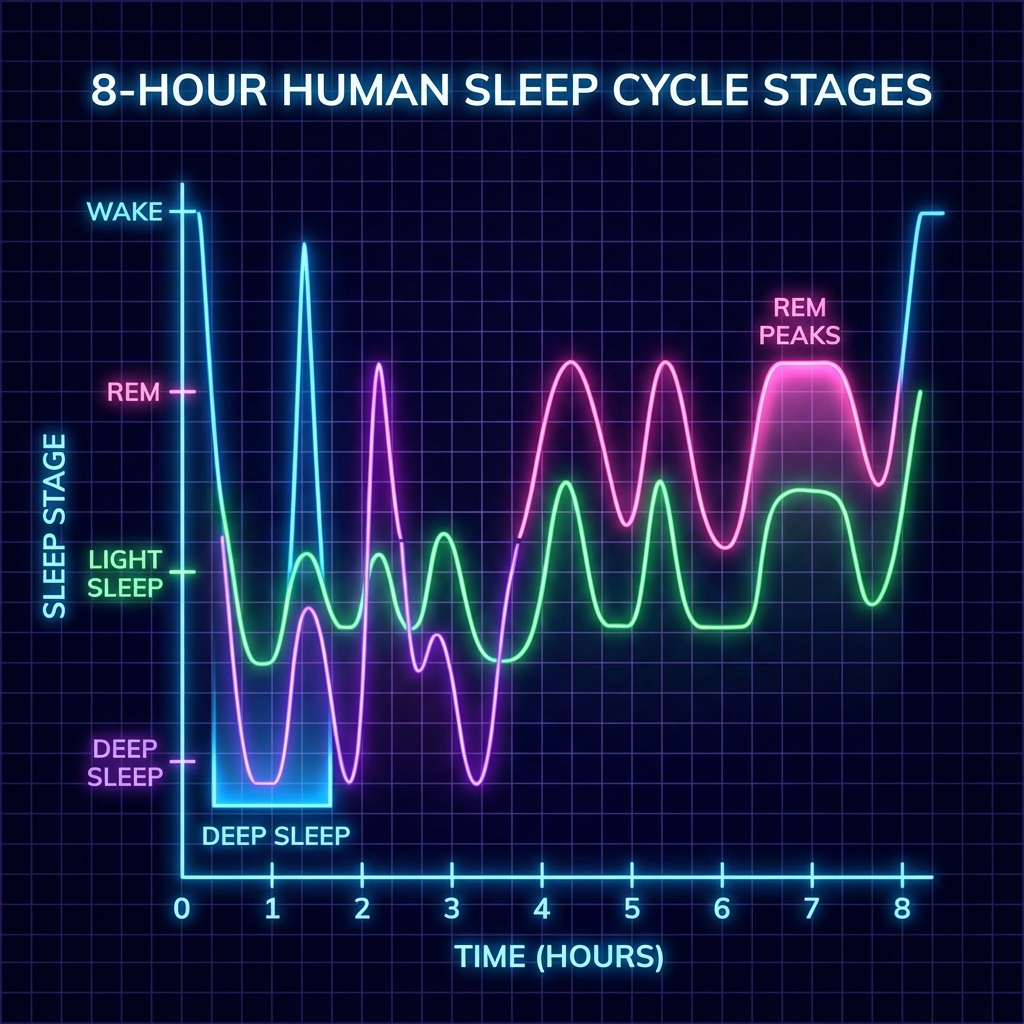
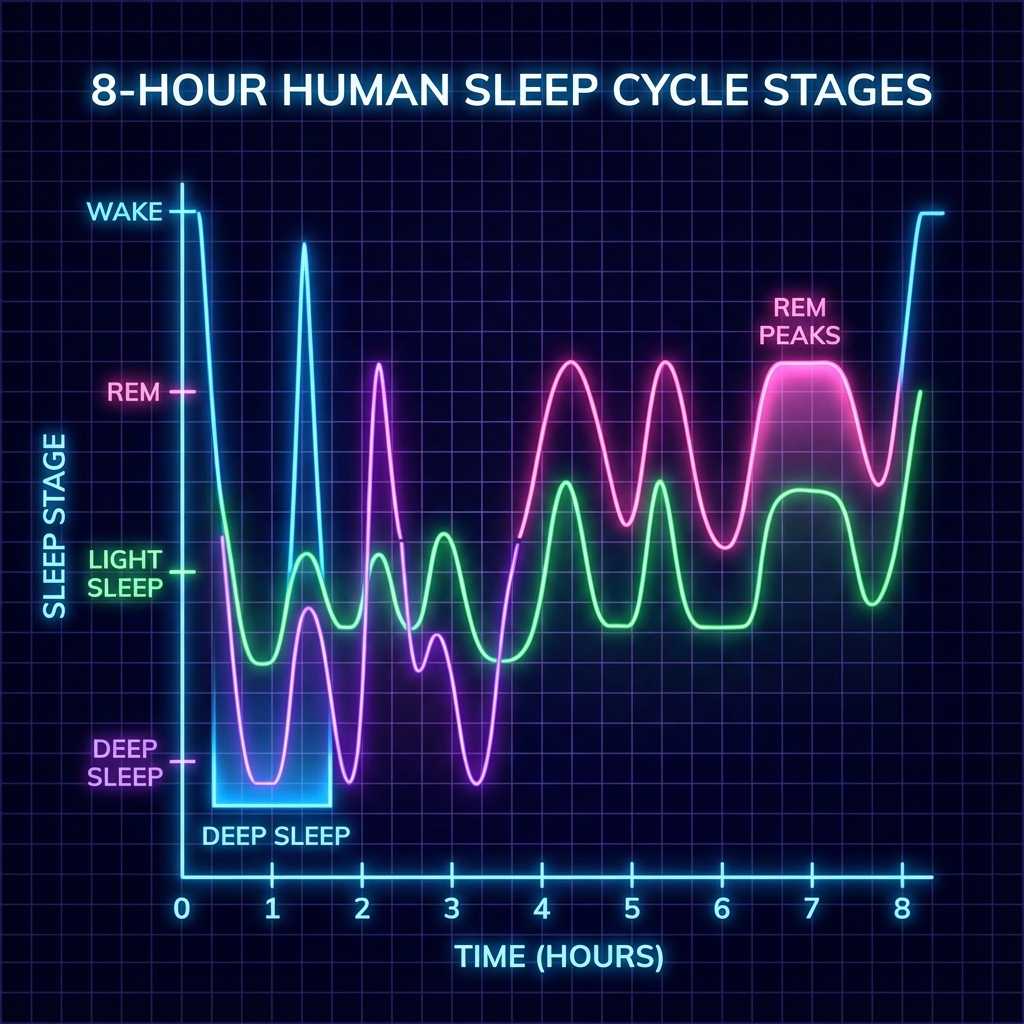
Sleep cycles last approximately 90 minutes. If you need to set an alarm, calculate backwards in 90-minute increments (e.g., 7.5 hours or 9 hours) to wake up at the end of a cycle, not during deep sleep. This prevents grogginess.
Foods to Skip
Avoid spicy foods, which can cause heartburn when lying down. Also, beware of dark chocolate—it contains hidden caffeine that can block adenosine receptors.
Timing Matters
Try to finish your last big meal 3 hours before bed to allow digestion to settle, preventing acid reflux and overheating.
Conclusion
Small adjustments to your evening snack habits can lead to significantly better rest.
Read Next: <a href="http:/why-preventing-blue-light-is-critical-for-Insomnia-relief/”>Why Preventing Blue Light is Critical for Insomnia Relief
Why This Matters Now
In our modern, always-on society, sleep is often the first thing sacrificed. However, understanding these principles is crucial for long-term health. Chronic sleep deprivation is linked to numerous health issues, making this knowledge not just interesting, but vital.
By prioritizing your rest, you are investing in your future productivity, mood stability, and physical longevity.
Why This Works
This tip is effective because it directly signals the parasympathetic nervous system to initiate “rest and digest” mode. By lowering your heart rate, you physically prepare your body for sleep.
Variations to Try
If the standard method does not work for you, try coupling it with deep breathing exercises like the 4-7-8 technique. This amplifies the relaxation effect.