

The landscape of pain management has undergone a radical transformation over the last decade. As we navigate the midpoint of 2026, the traditional approach of simply “masking” symptoms with heavy medication has been replaced by a more nuanced, holistic, and technologically advanced methodology. Today, understanding pain requires looking beyond the physical sensation and examining the complex interplay between our nervous systems, our environments, and our lifestyles. For millions of Americans, chronic pain is no longer a life sentence of limited mobility, but a manageable condition addressed through a combination of precision medicine, regenerative therapies, and mindful living.
In this comprehensive guide, we explore the most effective strategies for pain relief available today. Whether you are dealing with the sharp sting of an acute injury or the persistent ache of a long-term condition like fibromyalgia or arthritis, the options for relief have never been more diverse or accessible. We will delve into the science of inflammation, the rise of wearable neuro-modulation devices, and the critical role that nutrition plays in how our bodies process discomfort. By the end of this exploration, you will have a roadmap for navigating the modern healthcare system to find a personalized pain management plan that works for your unique biology.
Table of Contents
- The Evolution of Pain Management in 2026
- Non-Pharmacological Interventions and Physical Therapy
- The Role of Nutrition in Inflammation Control
- Mind-Body Connection: The Psychology of Pain
- Advanced Medical Procedures and Regenerative Medicine
- Managing Chronic vs. Acute Pain: Distinct Strategies
- Wearable Tech and AI in Pain Monitoring
- Natural and Herbal Remedies: A 2026 Perspective
- Ergonomics and Lifestyle Adjustments for Daily Comfort
- The Future of Pain-Free Living: Predictive Analytics
- Key Takeaways Box
- Frequently Asked Questions (FAQ)
- Conclusion
The Evolution of Pain Management in 2026
The year 2026 marks a turning point where “personalized pain profiles” have become the standard of care in the United States. We have moved away from the “one-size-fits-all” pharmaceutical model that dominated the early 2000s. The shift has been driven largely by our deeper understanding of the “biopsychosocial” model of pain, which recognizes that biological, psychological, and social factors all contribute to the experience of physical suffering.
From Opioids to Precision Bio-Electronics
The healthcare industry has successfully pivoted toward non-addictive alternatives. Precision bio-electronics, such as targeted nerve stimulators that can be controlled via smartphone, have replaced many traditional prescriptions for chronic back pain. These devices work by interrupting pain signals before they reach the brain, providing relief without the systemic side effects of oral medications.
The Rise of Genomic Pain Mapping
Doctors now utilize genomic testing to determine how an individual’s body metabolizes specific compounds. This allows for “precision prescribing,” ensuring that if a patient does require medication, it is the exact dose and type that their body can process most efficiently. This has drastically reduced the incidence of adverse reactions and improved the efficacy of over-the-counter and prescription treatments alike.
| Era | Primary Focus | Key Technology |
|---|---|---|
| Early 2000s | Symptom Suppression | Opioids & NSAIDs |
| 2010s-2020s | Multimodal Therapy | Physical Therapy & Cognitive Behavioral Therapy |
| 2026 (Current) | Root Cause & Bio-Integration | AI-Driven Diagnostics & Regenerative Medicine |
Non-Pharmacological Interventions and Physical Therapy
Physical therapy in 2026 is no longer just about stretching and basic exercises. It has evolved into “Functional Movement Re-education,” utilizing high-tech tools to retrain the body’s movement patterns.
Virtual Reality (VR) Rehabilitation
VR has become a cornerstone of physical therapy. By immersing patients in a digital environment, therapists can distract the brain’s pain centers while the patient performs movements that might otherwise be intimidating or uncomfortable. Studies in 2025 showed that VR-assisted physical therapy increased patient compliance by 40% compared to traditional home-exercise programs.
Manual Therapy and Myofascial Release
Despite the technological leaps, the human touch remains vital. Advanced manual therapy techniques focusing on myofascial release—the treatment of the connective tissue surrounding muscles—are highly sought after for treating tension-based pain. Therapists now use ultrasonic imaging to see exactly where “knots” or adhesions are located, allowing for pinpoint accuracy during treatment.
Aquatic Therapy and Hydro-Resistance
Water-based therapy continues to be a gold standard for joint pain. The buoyancy of water reduces the impact on joints while providing natural resistance that builds muscle strength without the risk of further injury. In 2026, many community centers in the U.S. have upgraded to “smart pools” that adjust temperature and current speed based on a patient’s specific recovery goals.
The Role of Nutrition in Inflammation Control
What we put on our plates is perhaps the most powerful tool we have for managing systemic inflammation, which is the root cause of many chronic pain conditions.
The Anti-Inflammatory Microbiome
Recent research has solidified the link between gut health and pain sensitivity. A diet rich in fermented foods, prebiotic fibers, and diverse plant species supports a microbiome that produces anti-inflammatory metabolites. When the gut is healthy, the body’s overall inflammatory markers (like C-reactive protein) tend to drop, leading to less joint and muscle pain.
Targeted Supplementation
In 2026, “designer supplements” are common. Rather than taking a generic multivitamin, individuals use blood-panel data to identify specific deficiencies.
- Omega-3 Fatty Acids: High-potency, sustainably sourced algae oils are the preferred choice for reducing joint stiffness.
- Curcumin (Turmeric): Modern formulations now include “bio-enhancers” that increase the absorption of curcumin by up to 2,000%, making it as effective as some low-dose NSAIDs for managing osteoarthritis.
- Magnesium Glycinate: Widely used for muscle relaxation and sleep quality, both of which are essential for pain recovery.
- Goal: Protection and healing.
- Strategy: The “PEACE & LOVE” protocol (Protection, Elevation, Avoid Anti-inflammatories initially, Compression, Education & Load, Optimism, Vascularization, Exercise). In 2026, we avoid icing in the first 24 hours to allow the natural inflammatory healing response to begin.
- Goal: Desensitization and functional restoration.
- Strategy: Gradual exposure to movement, neurological retraining, and lifestyle modulation. The focus is on “hurt does not equal harm,” helping patients move through discomfort to regain their quality of life.
- Dynamic Standing Desks: Desks that automatically adjust height throughout the day to encourage movement.
- Active Seating: Chairs that require slight core engagement, preventing the spinal “collapsing” that leads to disc pressure.
- Ambient Lighting: Circadian-optimized lighting that reduces eye strain and the tension headaches that often follow.
| Food Group | Active Compound | Benefit for Pain |
|---|---|---|
| Fatty Fish/Algae | EPA/DHA | Reduces joint inflammation |
| Leafy Greens | Antioxidants | Neutralizes oxidative stress |
| Berries | Anthocyanins | Inhibits inflammatory enzymes |
| Ginger/Turmeric | Gingerols/Curcumin | Natural analgesic properties |
Mind-Body Connection: The Psychology of Pain
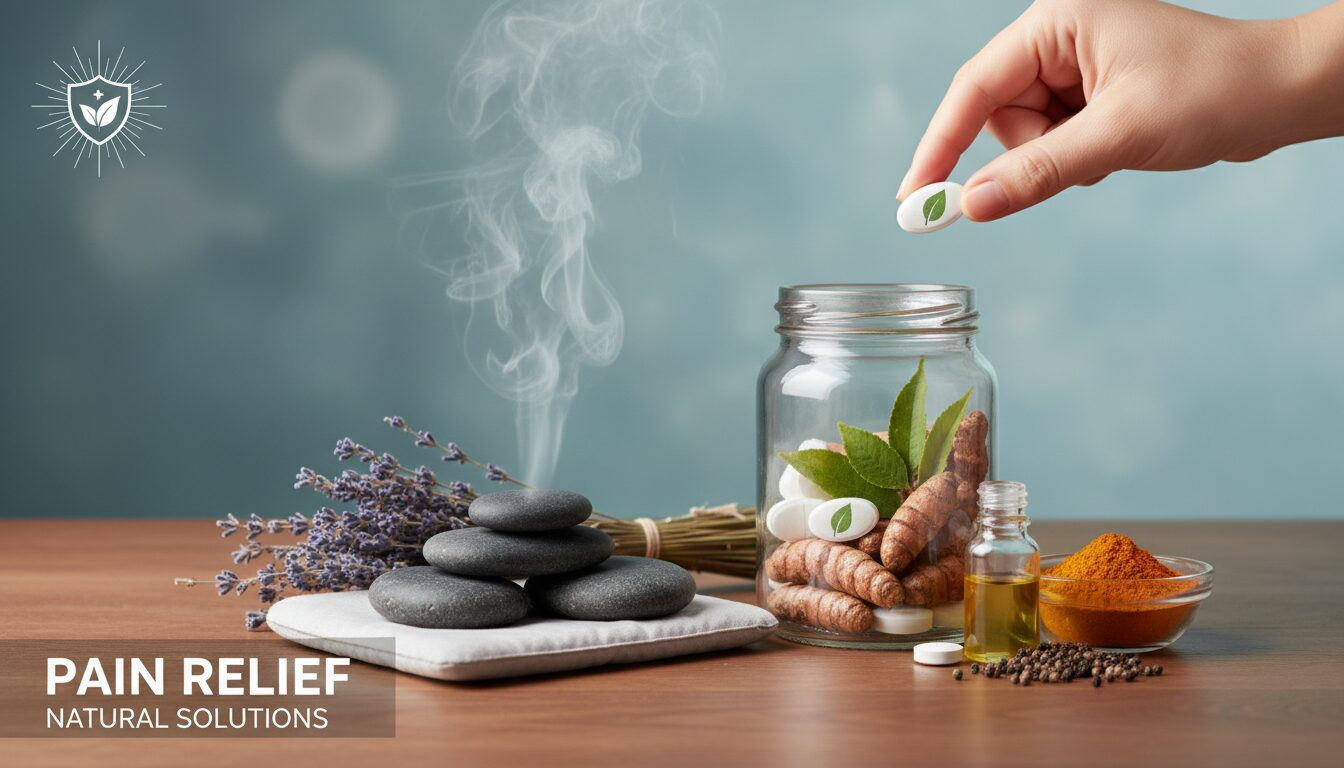
One of the most significant breakthroughs in recent years is the widespread acceptance of the brain’s role in “amplifying” or “dampening” pain signals. This is not to say the pain is “all in your head,” but rather that the brain’s processing of pain is a dynamic system that can be influenced.
Cognitive Behavioral Therapy for Pain (CBT-P)
CBT-P is now a standard recommendation for chronic pain patients. It helps individuals identify the “catastrophizing” thoughts that often accompany pain—thoughts like “I will never get better” or “This pain will ruin my life.” By reframing these thoughts and learning relaxation techniques, patients can actually lower the firing rate of their nervous systems, leading to a measurable reduction in perceived pain intensity.
Neuroplasticity and Pain Reprocessing
The concept of neuroplasticity—the brain’s ability to rewire itself—is at the heart of modern pain relief. Chronic pain often involves the brain “learning” to be in pain, even after the original injury has healed. Pain Reprocessing Therapy (PRT) uses sensory tracking and safety re-education to teach the brain that these lingering signals are “false alarms.” This has been particularly effective for non-specific back pain and tension headaches.
“Pain is an opinion of the brain regarding the state of the body’s safety. By addressing the psychological state of the individual, we can fundamentally change the physiological experience of pain.” — Dr. Julian Thorne, Director of the Neuro-Pain Institute (2026)
Advanced Medical Procedures and Regenerative Medicine
When conservative measures aren’t enough, 2026 offers surgical and procedural options that are far less invasive than those of previous decades.
Stem Cell and PRP Therapy
Regenerative medicine has moved from the fringes of “experimental” treatments to the mainstream. Platelet-Rich Plasma (PRP) and stem cell injections are now frequently used to treat tendonitis and early-stage cartilage loss. These procedures involve taking the patient’s own biological material, concentrating the growth factors, and injecting them back into the site of injury to jumpstart the body’s natural healing process.
Minimally Invasive Spinal Interventions
For those with herniated discs or spinal stenosis, robotic-assisted microsurgeries allow for corrections with incisions smaller than a fingernail. These procedures often result in “same-day” discharges, with patients walking within hours of the operation. The focus is on preserving as much natural tissue as possible, avoiding the long recovery times associated with traditional spinal fusions.
Managing Chronic vs. Acute Pain: Distinct Strategies
Understanding whether pain is acute or chronic is essential because the treatment pathways are vastly different.
Acute Pain: The “Red Alert”
Acute pain is the body’s alarm system. It is usually sharp, follows a clear injury, and is temporary.
Chronic Pain: The “Broken Alarm”
Chronic pain persists beyond the typical healing time (usually 3-6 months).
Wearable Tech and AI in Pain Monitoring
The “Internet of Bodies” has arrived in 2026. Wearable technology provides real-time data that helps both patients and doctors manage pain more effectively.
Smart Garments
Clothing embedded with haptic sensors can now detect when a person is moving in a way that might aggravate their back or neck pain. These garments provide a gentle vibration to correct posture or gait in real-time, preventing the micro-traumas that lead to a flare-up.
AI-Driven Pain Journals
Gone are the days of paper logs. AI apps now track a user’s sleep, activity levels, weather conditions, and diet, correlating these factors with the user’s reported pain levels. Over time, the AI identifies triggers that the human eye might miss—such as a specific barometric pressure drop or a particular food sensitivity—allowing for predictive interventions.
| Device Type | Function | Best For |
|---|---|---|
| Bio-Sensing Rings | Tracks sleep & recovery | Chronic Fatigue/Fibromyalgia |
| Haptic Braces | Real-time posture correction | Lower Back/Neck Pain |
| Portable TENS/EMS | Electronic nerve stimulation | Acute Muscle Strains |
| Smart Insoles | Gait and balance analysis | Foot/Knee/Hip Pain |
Natural and Herbal Remedies: A 2026 Perspective
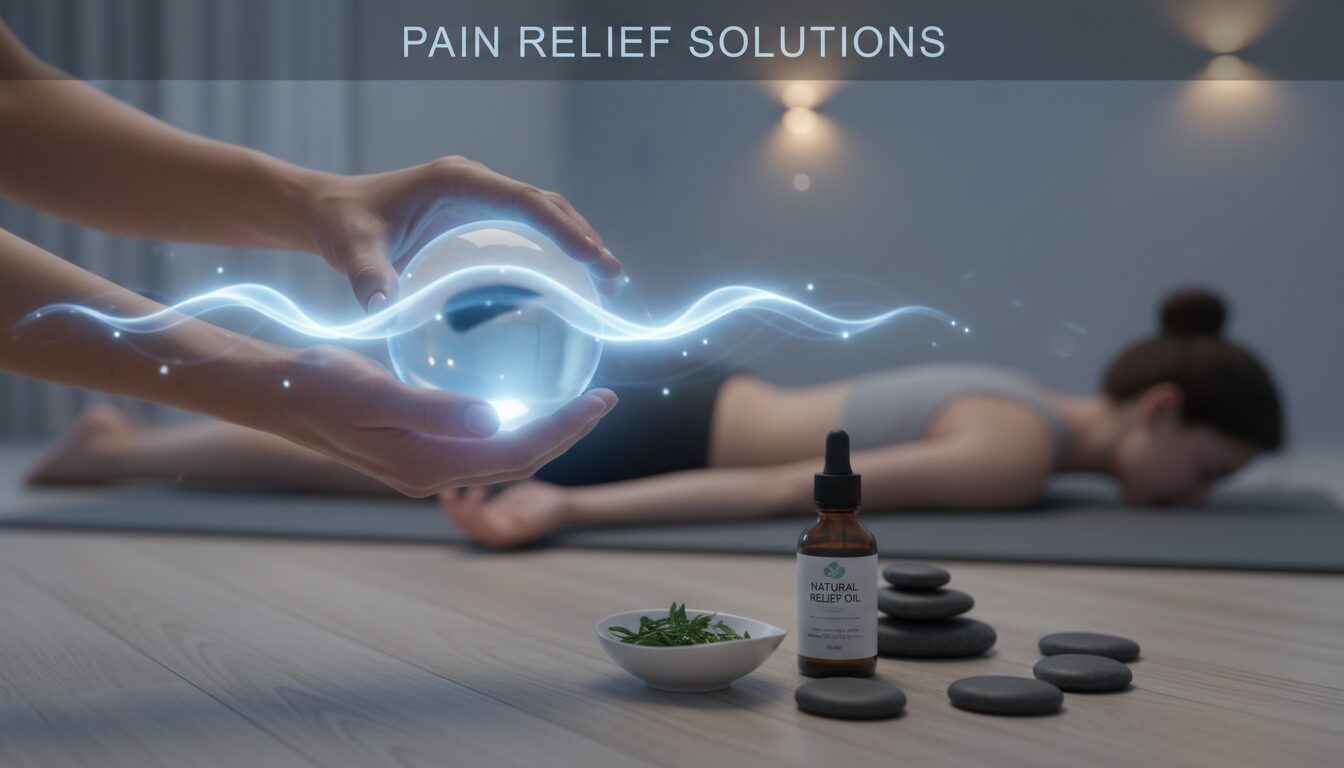
The “green pharmacy” has become more standardized and regulated, providing safer and more reliable options for those seeking natural relief.
The Evolution of CBD and Cannabinoids
Cannabidiol (CBD) and other minor cannabinoids like CBG (cannabigerol) are now categorized by their specific therapeutic effects. In 2026, you can purchase “targeted” oils—some formulated for sleep, others for daytime inflammation. The clarity in labeling and third-party testing has made these a staple for many American households seeking to reduce their reliance on NSAIDs.
Botanical Topicals
Topical creams containing arnica, menthol, and capsaicin have been refined. New “transdermal delivery systems” ensure that the active botanical ingredients penetrate the skin barrier more effectively, reaching the underlying muscle or joint rather than just sitting on the surface. These are excellent for localized pain without the risk of stomach upset associated with oral pills.
Ergonomics and Lifestyle Adjustments for Daily Comfort
As remote and hybrid work models have stabilized in the mid-2020s, the importance of “domestic ergonomics” has become a major health focus.
The “Anti-Sedentary” Workspace
Prolonged sitting is now recognized as a primary driver of the “text neck” and “slumped shoulder” epidemics. The most effective 2026 workspaces include:
The Sleep-Pain Cycle
Sleep is the body’s primary repair mode. Chronic pain often disrupts sleep, and poor sleep increases pain sensitivity—a vicious cycle. Improving “sleep hygiene” is now considered a front-line pain treatment. This includes maintaining a cool room temperature (65-68°F), utilizing weighted blankets to calm the nervous system, and using magnesium-based topical sprays before bed.
The Future of Pain-Free Living: Predictive Analytics
Looking toward the end of the decade, the focus is shifting from treatment to prevention. We are entering the era of “Predictive Pain Analytics.”
Biometric Pre-Symptom Detection
Using the data from our wearables, healthcare providers can now see the “biometric signature” of an impending flare-up before the patient even feels it. A slight increase in resting heart rate combined with a decrease in heart rate variability (HRV) can signal that the body is under stress. This allows for “pre-emptive rest” or early intervention, stopping the pain cycle before it begins.
Community-Based Wellness
There is a growing movement in the U.S. toward “Social Prescribing.” Doctors are prescribing community gardening, group walks, or art classes alongside medical treatments. These activities address the social isolation that often accompanies chronic pain, proving that human connection is a potent analgesic.
Key Takeaways Box
Pain Relief in 2026: What You Need to Know
> * Holistic is Standard: Pain is rarely just physical; it involves your brain, your gut, and your stress levels.
* Tech is an Ally: Use wearables to track your HRV and sleep to predict and prevent flare-ups.
* Movement is Medicine: Modern physical therapy focuses on “functional movement” and VR-assisted recovery.
* Nutrition Matters: An anti-inflammatory diet rich in Omega-3s and plant-based compounds can significantly lower systemic pain.
* Personalization is Key: Your genetic makeup determines how you respond to treatments—demand a personalized plan from your provider.
* Mindset Matters: Techniques like Pain Reprocessing Therapy (PRT) can retrain your brain to stop sending “false” pain signals.
Frequently Asked Questions (FAQ)
1. Are opioids still used for pain relief in 2026?
While they are still available, their use is strictly limited to short-term acute care (such as immediately following major surgery) or for end-of-life care. For chronic pain, non-addictive alternatives like neuro-modulation and regenerative medicine have become the primary options.
2. How does an anti-inflammatory diet help with physical pain?
Inflammation is the body’s response to perceived threats. Chronic inflammation causes the release of chemicals that sensitize nerve endings, making you feel pain more intensely. A diet low in processed sugars and high in antioxidants helps “quiet” this chemical environment.
3. What is “Pain Reprocessing Therapy” (PRT)?
PRT is a psychological approach that helps patients reframe their chronic pain as a “non-dangerous” signal from the brain. By teaching the brain that the body is actually safe, the neural pathways that maintain the pain sensation can be weakened or eliminated.
4. Can wearable devices actually reduce pain, or do they just track it?
Both. While many devices track data, newer “wearable neuro-modulators” (like advanced TENS or PEMF devices) actually deliver gentle electrical or magnetic pulses that can interrupt pain signals and stimulate the release of endorphins.
5. Is it safe to use CBD for pain every day?
For most adults, high-quality, lab-tested CBD is considered safe for daily use. However, it can interact with certain medications (like blood thinners), so it is essential to consult with a healthcare provider who understands cannabinoid medicine.
6. Why is sleep so important for pain relief?
During deep sleep, the body releases growth hormones that repair tissues and clears metabolic waste from the brain and nervous system. Without adequate sleep, the brain’s “pain gate” remains open, making even minor discomfort feel significant.
7. What is the fastest-growing treatment for joint pain today?
Regenerative injections, specifically Platelet-Rich Plasma (PRP) and localized stem cell therapies, are seeing the fastest growth because they offer a way to potentially repair the tissue rather than just masking the symptoms.
8. How do I know if my pain is “mechanical” or “neurological”?
Mechanical pain is usually related to movement (it hurts when you move a certain way), while neurological pain often feels like burning, tingling, or “electric shocks.” A 2026 diagnostic workup using AI-imaging can typically distinguish between the two with high accuracy.
Conclusion
The quest for pain relief has evolved from a desperate search for a “magic pill” into a sophisticated, multi-faceted journey toward wellness. In 2026, we understand that the absence of pain is not merely the result of a medical procedure, but the outcome of a balanced lifestyle that honors the connection between the mind and the body.
With the advent of precision medicine, we no longer have to guess which treatments will work. We can look at our DNA, our gut microbiome, and our real-time biometric data to craft a strategy that is as unique as we are. From the food we eat and the way we move to the technology we wear and the thoughts we think, every choice is an opportunity to move closer to a life of comfort and mobility.
While the journey of managing pain can be challenging, the tools available today offer more hope than ever before. By staying informed and working closely with a multidisciplinary team of experts, you can navigate the complexities of your body and reclaim the vibrant, active life you deserve. The future of relief isn’t just about living with less pain—it’s about thriving with a renewed sense of freedom and possibility.
*
Disclaimer: This information is for educational purposes and reflects the health landscape of 2026. Always consult with a licensed healthcare professional before starting any new treatment or supplement regimen.