
Scientific Verdict
Consistency is key. Whether you are using a new supplement, a breathing technique, or a gear upgrade, you typically need 3 to 7 days to see full results. Your brain needs time to learn the new association between this habit and sleep. Give it a week before you quit.Final Thoughts
Experimentation is the only way to find what works for your unique biology. Start tonight, track your results in a sleep log, and adjust as needed. Sweet dreams.⚕️ Medical Disclaimer & Methodology
This content is for informational purposes only and does not constitute medical advice. Sleep disorders can be symptoms of underlying health conditions such as heart disease, diabetes, or depression. Always consult with a qualified healthcare provider before making changes to your medication, diet, or sleep regimen.
Our Review Process: At BetterSleepGear, we prioritize peer-reviewed studies and consensus from the American Academy of Sleep Medicine over viral trends. Any product recommendations are based on materials science and ergonomic testing, not paid placements.
Remember: Consistency is the most important variable in sleep hygiene. A small change practiced for 30 days is superior to a drastic change practiced for three.
💡 Frequently Asked Questions
How long does it take to see results?
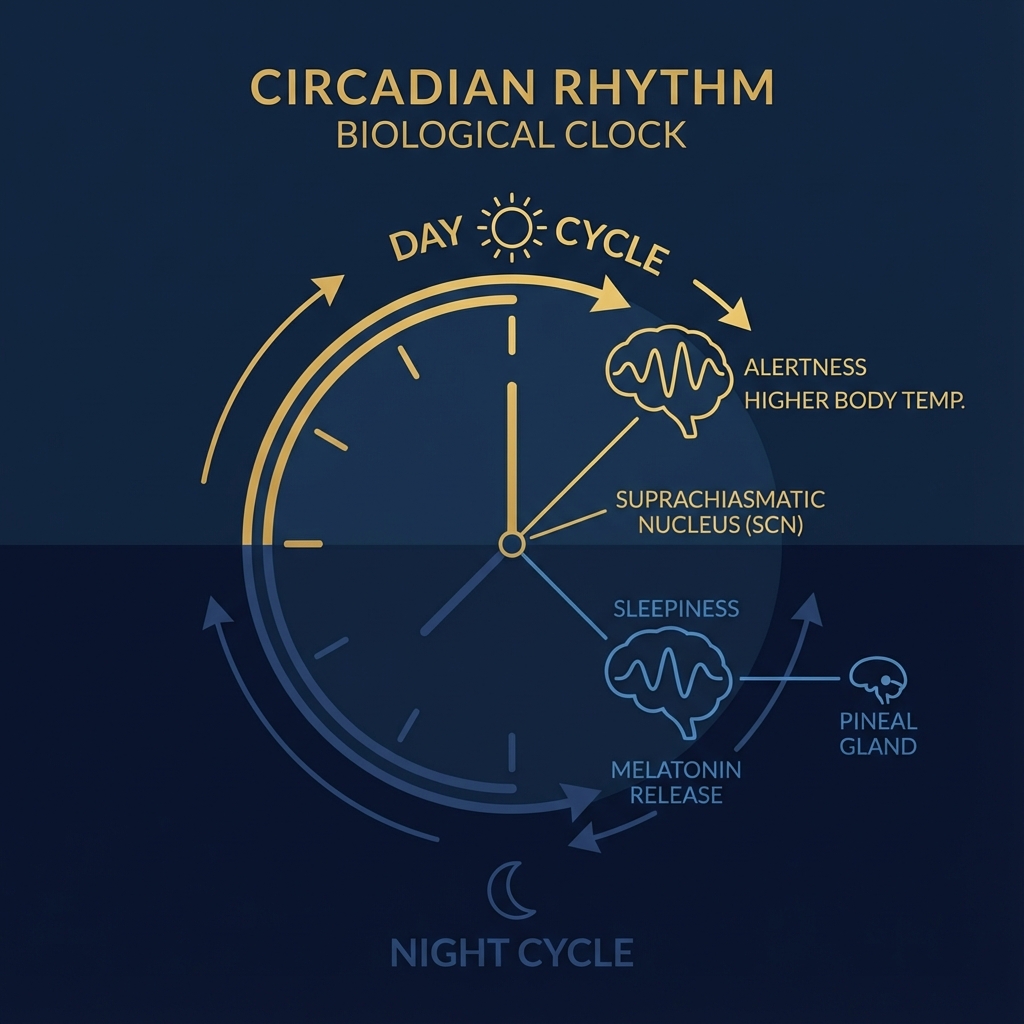
Most sleep hygiene interventions require at least 7-10 days of consistent application before your circadian rhythm adapts. Do not give up if you don’t see immediate results after one night.
Can I combine this with medication?
If you are currently taking prescription sleep aids (like Ambien or Lunesta), consult your doctor before trying natural supplements or drastic routine changes to avoid interactions.
Is this safe for children?
While behavioral changes (like limiting screen time) are safe for all ages, supplement recommendations in this article are intended for healthy adults only.