
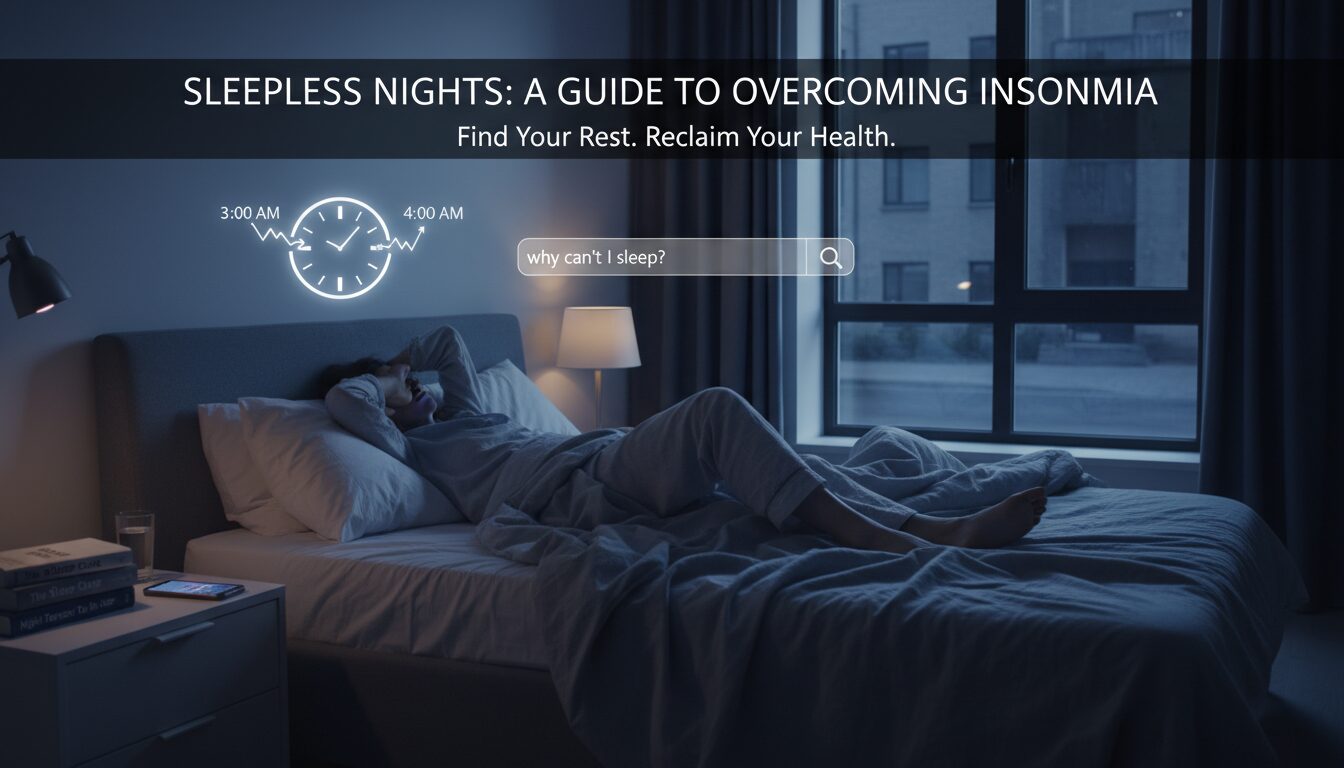
Sleep is no longer a passive state of rest; in 2026, we understand it as the most critical pillar of human performance, longevity, and emotional resilience. As our world becomes increasingly digital, fast-paced, and demanding, the quality of our sleep has come under siege. Millions of Americans find themselves staring at the ceiling at 3:00 AM, caught in a cycle of daytime fatigue and nighttime hyper-arousal. This comprehensive guide explores the evolution of sleep science, the common obstacles to restorative rest, and the cutting-edge solutions available to us today.
The “Sleep Revolution” of the mid-2020s has shifted our focus from simply counting hours to prioritizing the architecture of sleep—the delicate balance between REM and Deep Sleep cycles. We now know that sleep is when the brain’s glymphatic system flushes out metabolic waste, effectively “washing” the brain to prevent neurodegenerative diseases. Despite this knowledge, nearly 35% of U.S. adults report sleeping less than the recommended seven hours.
This article provides a roadmap for navigating the complexities of modern sleep hygiene. We will examine the biological mechanisms that govern our internal clocks, the environmental factors that disrupt our peace, and the emerging technologies that are helping us reclaim the night. Whether you suffer from chronic insomnia or simply want to optimize your cognitive output, understanding the nuances of sleep is the first step toward a healthier, more vibrant life.
Table of Contents
- The Biological Clock: Understanding Circadian Rhythms
- The Silent Epidemic: Common Sleep Disorders in 2026
- The Digital Sunset: Managing Light and Technology
- Environmental Engineering: Crafting the Perfect Sleep Sanctuary
- The Gut-Sleep Axis: Nutrition and Supplementation
- Psychological Barriers: Stress, Anxiety, and the “Busy Brain”
- Behavioral Interventions: CBT-I and Beyond
- Sleep Across the Lifespan: From Pediatrics to Longevity
- The Role of Advanced Sleep Technology and Wearables
- A Personalized Protocol for Restorative Sleep
- Frequently Asked Questions (FAQ)
- Key Takeaways
- Blue Light Filtering: While 2026 smartphones have built-in “night modes,” studies show these are only partially effective. Dedicated amber-tinted glasses that block 99% of blue light are now the gold standard for late-night device use.
- Dopamine Looping: It isn’t just the light; it’s the content. Social media algorithms are designed to trigger dopamine, keeping the brain alert and seeking “just one more” video, which is the antithesis of the calm required for sleep.
- The Brain Dump: Writing down all worries, tasks, and to-do items for the next day on a physical piece of paper before bed. This signals to the brain that the information is “safe” and doesn’t need to be actively processed during the night.
- Box Breathing: A technique used by Navy SEALs to down-regulate the nervous system. Inhale for 4 seconds, hold for 4, exhale for 4, and hold for 4.
- Progressive Muscle Relaxation: Systematically tensing and then releasing each muscle group from toes to head.
- Only use the bed for sleep and intimacy. No working, eating, or scrolling.
- The 20-Minute Rule: If you are not asleep within 20 minutes, get out of bed. Go to another room, do a low-stimulus activity (like folding laundry or reading a boring manual) in dim light, and only return when you feel sleepy.
- Consistent Wake Times: Even on weekends, waking up at the same time is crucial for anchoring your circadian rhythm.
- Morning (7:00 AM): Get 10 minutes of direct sunlight into the eyes. This sets the timer for melatonin production 16 hours later.
- Midday (12:00 PM): View bright light and move the body. Avoid caffeine after 2:00 PM.
- Evening (8:30 PM): Initiate the “Digital Sunset.” Dim the lights, put on blue-light blockers, and lower the thermostat to 66°F.
- Pre-Bed (9:30 PM): Take a warm bath or shower (the subsequent drop in body temperature signals sleep). Perform a “Brain Dump” or meditation.
- Sleep (10:30 PM): Use a weighted blanket (for anxiety) and ensure the room is pitch black.
1. The Biological Clock: Understanding Circadian Rhythms
The human body operates on a roughly 24-hour cycle known as the circadian rhythm. This internal clock, located in the suprachiasmatic nucleus (SCN) of the hypothalamus, coordinates everything from hormone release to body temperature and metabolism. In 2026, chronobiology has become a mainstream science, teaching us that “when” we do things is often as important as “what” we do.
The Role of Adenosine and Melatonin
Two primary chemicals drive our desire for sleep: adenosine and melatonin. Adenosine builds up in the brain every hour we are awake, creating “sleep pressure.” Melatonin, the “hormone of darkness,” signals to the body that it is time to wind down. Disruptions to either of these—such as consuming caffeine too late (which blocks adenosine receptors) or exposure to blue light (which suppresses melatonin)—can throw our entire system out of alignment.
Identifying Your Chronotype
Research now highlights the importance of “chronotypes”—the natural inclination of your body to sleep at a certain time. While society has long favored “Morning Larks,” we now recognize that “Night Owls” and “Intermediate” types have distinct biological needs. Forcing a natural night owl into a 6:00 AM workout routine can lead to “social jetlag,” a state of chronic exhaustion caused by a mismatch between biological and social clocks.
2. The Silent Epidemic: Common Sleep Disorders in 2026
Despite our advancements, sleep disorders remain prevalent. Modern living has exacerbated conditions that were once rare, making diagnosis and intervention more critical than ever.
Insomnia: The Modern Scourge
Insomnia is characterized by difficulty falling asleep, staying asleep, or waking up too early. In 2026, we categorize insomnia into two types: acute (short-term, often stress-related) and chronic (occurring three or more nights a week for three months or more). The “hyper-arousal” model of insomnia suggests that many sufferers have an overactive nervous system that refuses to throttle down at night.
Obstructive Sleep Apnea (OSA)
Sleep apnea involves repeated interruptions in breathing during sleep. It is often linked to snoring, but the health implications are far more serious, including increased risks of stroke, heart disease, and Type 2 diabetes.
| Disorder | Primary Symptoms | Common 2026 Treatments |
|---|---|---|
| Insomnia | Difficulty initiating sleep, frequent waking | CBT-I, Magnesium threonate, Sleep restriction |
| Sleep Apnea | Loud snoring, daytime gasping, brain fog | CPAP therapy, positional pillows, Oral appliances |
| Restless Leg Syndrome | Uncontrollable urge to move legs at night | Iron supplementation, pneumatic compression |
| Narcolepsy | Sudden sleep attacks, cataplexy | Neurological stimulants, scheduled naps |
The Rise of Circadian Rhythm Disorders
With the increase in remote work across multiple time zones, we see a spike in Shift Work Disorder and Non-24-Hour Sleep-Wake Disorder. These conditions occur when the body’s internal clock is completely desynchronized from the external environment.
3. The Digital Sunset: Managing Light and Technology
In 2026, the biggest threat to our sleep isn’t physical labor; it’s the glowing screens in our pockets. The blue light emitted by smartphones, tablets, and LED bulbs mimics sunlight, tricking the brain into thinking it is midday.
The “Digital Sunset” Protocol
Experts now recommend a “Digital Sunset” starting 60 to 90 minutes before bed. This involves dimming household lights and swapping interactive screens for passive activities like reading a physical book or listening to a podcast.
Statistics on Tech and Sleep
“Recent data from the National Sleep Institute (2025) indicates that individuals who engage with social media within one hour of bedtime are 2.5 times more likely to report poor sleep quality compared to those who practice a digital fast.”
4. Environmental Engineering: Crafting the Perfect Sleep Sanctuary
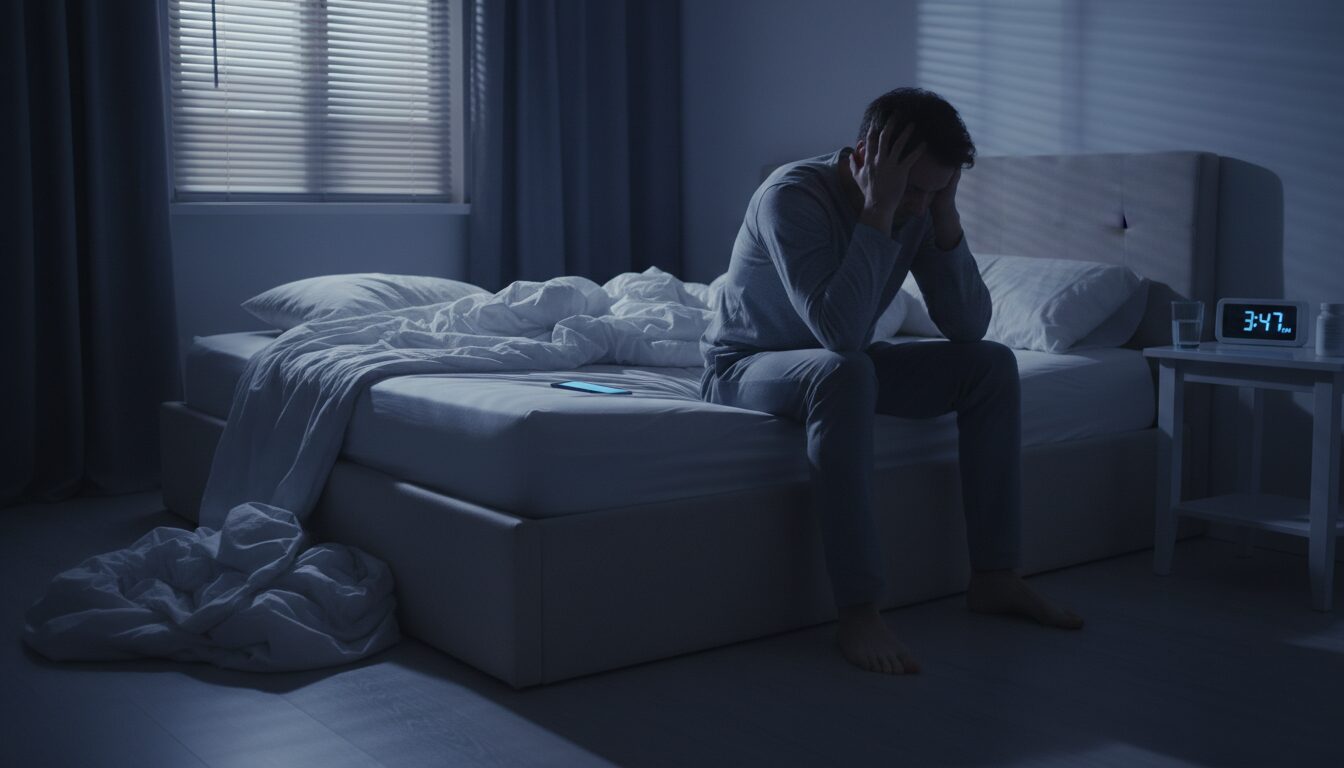
Your bedroom should be a “cave”—cool, dark, and quiet. Environmental factors play a massive role in how deeply we enter the restorative stages of sleep.
The 65-Degree Rule
The body’s core temperature needs to drop by about 2-3 degrees Fahrenheit to initiate sleep. Most sleep experts in 2026 recommend keeping the bedroom at approximately 65°F (18°C). Cooling mattresses and temperature-regulated sheets have become essential tools for those who “run hot.”
Acoustic Optimization
Noise pollution is a significant disruptor. While some prefer silence, others benefit from “pink noise” or “brown noise,” which provide a consistent sound floor that masks sudden interruptions like barking dogs or traffic. Unlike white noise, pink noise has deeper frequencies that have been shown in 2026 clinical trials to improve memory consolidation during sleep.
Darkness and Melatonin
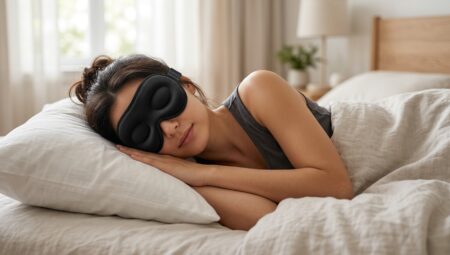
Even a tiny amount of light—such as the glow from a digital clock or a streetlamp through the curtains—can inhibit melatonin production. Blackout curtains and high-quality silk sleep masks are simple yet transformative investments.
5. The Gut-Sleep Axis: Nutrition and Supplementation
What we eat during the day profoundly affects how we sleep at night. The relationship between the gut microbiome and the brain is a two-way street, influenced heavily by our diet.
The Impact of Caffeine and Alcohol
Caffeine has a half-life of about 5-6 hours. This means if you have a cup of coffee at 4:00 PM, half of it is still in your system at 10:00 PM. Alcohol, while a sedative that helps you fall asleep faster, is a “sleep thief.” It fragments sleep and suppresses REM cycles, leading to a “rebound effect” that leaves you feeling exhausted the next day.
Sleep-Promoting Nutrients
In 2026, we focus on whole foods that support the production of sleep neurotransmitters.
| Nutrient | Function | Food Sources |
|---|---|---|
| Magnesium | Relaxes muscles, regulates GABA | Pumpkin seeds, spinach, dark chocolate |
| Tryptophan | Precursor to Serotonin/Melatonin | Turkey, eggs, tofu, milk |
| Omega-3s | Reduces inflammation, supports brain health | Salmon, walnuts, chia seeds |
| Potassium | Prevents nighttime muscle cramps | Bananas, sweet potatoes, avocados |
The Supplement Landscape
The “Sleep Stack” of 2026 has moved away from heavy sedatives toward natural modulators. Magnesium Threonate (for brain permeability), L-Theanine (for relaxation), and Apigenin (found in chamomile) are frequently recommended by neurologists for their subtle yet effective impact on sleep architecture without the “hangover” effect of traditional sleeping pills.
6. Psychological Barriers: Stress, Anxiety, and the “Busy Brain”
For many, the problem isn’t the environment or the diet; it’s the inability to turn off the mind. Stress-induced insomnia is the most common complaint in the modern American workforce.
The Cortisol Connection
Cortisol is our “alertness” hormone. Normally, it peaks in the morning and tapers off in the evening. However, chronic stress keeps cortisol levels elevated at night, making it biologically impossible to relax. This state of “tired but wired” is a hallmark of the 21st-century stress response.
Mental Clearing Techniques
7. Behavioral Interventions: CBT-I and Beyond
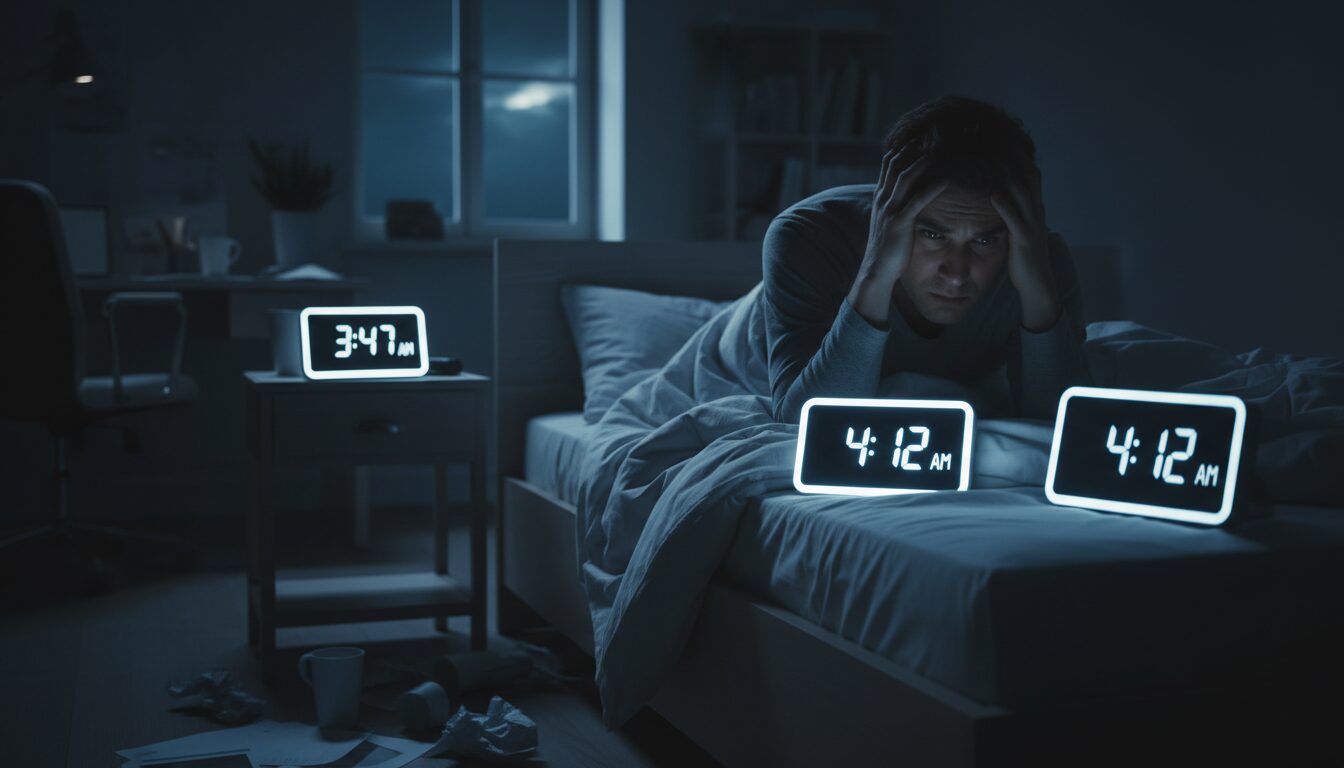
When sleep problems become chronic, behavioral changes are often more effective than medication. Cognitive Behavioral Therapy for Insomnia (CBT-I) remains the gold standard in 2026.
The Principles of Stimulus Control
The goal is to strengthen the association between the bed and sleep.
Sleep Restriction Therapy
Though counterintuitive, sleep restriction involves limiting the time spent in bed to the actual amount of time spent sleeping. If a person only sleeps 5 hours despite being in bed for 8, they are restricted to a 5-hour window. This builds up “sleep hunger,” eventually consolidating the sleep into a solid, unbroken block.
8. Sleep Across the Lifespan: From Pediatrics to Longevity
Sleep needs change as we age, and understanding these shifts can prevent unnecessary frustration.
Adolescent Sleep Cycles
Teenagers naturally experience a “phase delay,” meaning their bodies don’t want to sleep until 11:00 PM or later. In 2026, many U.S. school districts have adopted later start times based on this biological reality, showing significant improvements in student mental health and test scores.
Aging and Sleep Architecture
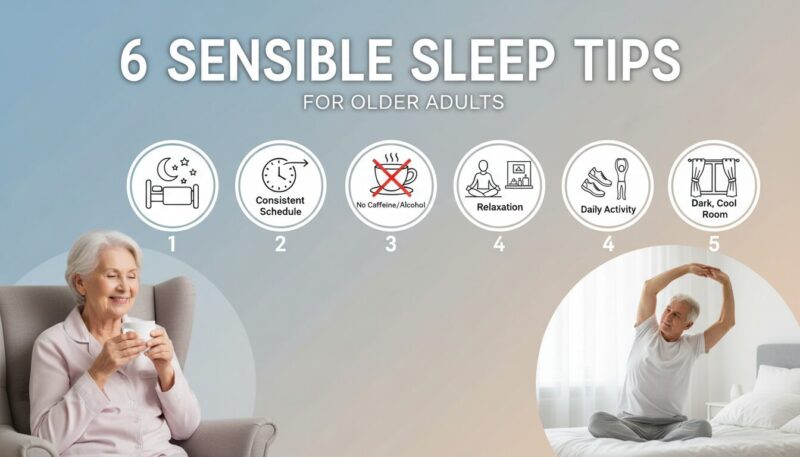
As we get older, sleep tends to become lighter and more fragmented. Deep sleep (Slow Wave Sleep) often decreases. This is sometimes mistaken for a decreased need for sleep, but older adults still require 7-8 hours; they simply have a harder time achieving it. Addressing issues like nocturia (frequent nighttime urination) and joint pain becomes essential for this demographic.
Expert Quote
“Sleep is the price we pay for plasticity during the day. For the elderly, maintaining sleep quality is perhaps the most effective way to preserve cognitive function and stave off the early onset of dementia.” — Dr. Elena Vance, Director of the Longevity Sleep Institute (2026)
9. The Role of Advanced Sleep Technology and Wearables
The year 2026 has seen a surge in “Sleep Tech” that goes far beyond simple step counters. We now have access to medical-grade data in the palm of our hands.
Near-Infrared Sensing and AI
Modern wearables use near-infrared sensors to track blood oxygen, heart rate variability (HRV), and respiratory rate with 98% accuracy compared to clinical polysomnography. AI-driven apps now analyze this data to provide personalized recommendations. For example, your watch might tell you, “Your HRV is low today; your body is fighting a mild infection. Aim for an extra hour of sleep tonight.”
Smart Beds and Neuro-modulation
The latest smart mattresses can adjust their firmness and temperature in real-time based on your sleep stage. Furthermore, non-invasive neuro-modulation headbands that use gentle acoustic stimulation to enhance deep sleep waves have moved from experimental labs into the homes of bio-hackers and high-performance athletes.
Table: 2026 Sleep Technology Comparison
| Technology | Primary Use | Effectiveness |
|---|---|---|
| Smart Rings | Tracking recovery and sleep stages | High (Data accuracy) |
| Acoustic Headbands | Deep sleep enhancement via sound waves | Moderate (Varies by user) |
| Smart Mattresses | Real-time temperature/firmness adjustment | High (Comfort-based) |
| Wake-up Lamps | Simulating sunrise to regulate cortisol | High (Circadian alignment) |
10. A Personalized Protocol for Restorative Sleep
To wrap up, creating a personalized sleep protocol is about consistency and small, stacking habits. Here is a sample “Elite Sleep Routine” for 2026:
Case Study: Reversing Chronic Burnout
A 2025 case study followed “Mark,” a 42-year-old executive suffering from chronic fatigue. By implementing a strict digital sunset, replacing his late-night wine with magnesium glycinate, and using a cooling mattress topper, his Deep Sleep increased by 40% over three months. His subjective reports of “brain fog” vanished, and his productivity scores at work reached an all-time high.
Frequently Asked Questions (FAQ)
Q1: How much sleep do I actually need?
While 7-9 hours is the general recommendation for adults, the quality is just as important. If you wake up feeling refreshed without an alarm, you are likely meeting your biological needs.
Q2: Are sleeping pills safe for long-term use?
In 2026, most physicians advise against long-term use of sedative-hypnotics (like benzodiazepines) because they disrupt sleep architecture. Behavioral therapies and natural modulators are preferred for sustainable health.
Q3: Can I “catch up” on sleep over the weekend?
Not exactly. While you can recover some of the alertness lost during a “sleep-deprived” week, the metabolic damage and circadian disruption cannot be fully undone by sleeping in on Sunday. Consistency is key.
Q4: Why do I wake up at 3:00 AM every night?
This is often due to a “blood sugar crash” or a spike in cortisol. Avoiding high-sugar snacks before bed and managing daily stress can help maintain sleep continuity.
Q5: Does a weighted blanket really help?
Yes, for many people. Weighted blankets provide “deep pressure stimulation,” which can increase serotonin levels and decrease cortisol, making them particularly effective for those with anxiety or ADHD.
Q6: Is napping good or bad?
A 20-minute “power nap” before 3:00 PM can boost cognitive function. However, long naps or late-afternoon naps can interfere with your “sleep drive,” making it harder to fall asleep at night.
Key Takeaways
– Light is the Master Controller: Sunlight in the morning and darkness at night are the most powerful tools for regulating sleep.
– Temperature Matters: A cool room (around 65°F) is biologically necessary for the body to transition into deep sleep.
– The 90-Minute Rule: Aim for sleep cycles in multiples of 90 minutes to avoid waking up in the middle of a deep sleep stage.
– Consistency Over Intensity: Waking up at the same time every day does more for your health than one long “recovery” sleep session.
– Technology is a Tool, Not a Master: Use wearables for data, but don’t let “sleep anxiety” (orthosomnia) caused by the data keep you awake.
Conclusion
As we navigate the complexities of life in 2026, we must stop viewing sleep as a luxury and start treating it as a non-negotiable biological necessity. The modern sleep crisis is a multifaceted problem, driven by our environments, our diets, and our psychological states. However, as this guide has shown, we have more tools than ever to fight back.
By understanding your circadian rhythm, engineering your environment, and adopting mindful behavioral habits, you can transform your relationship with rest. High-quality sleep is the foundation upon which mental clarity, emotional stability, and physical health are built. Tonight, as you prepare for bed, remember that your day doesn’t begin when you wake up—it begins the night before, with the first yawn and the decision to prioritize your rest.
Invest in your sleep today, and your future self—healthier, sharper, and more resilient—will thank you.