


In the fast-paced landscape of 2026, where digital integration and high-performance lifestyles are the norm, the quest for a perfect night’s sleep has transitioned from a luxury to a fundamental necessity. As we navigate the complexities of modern life, the medical community has shifted its focus from pharmaceutical interventions toward the profound impact of nutritional chronobiology. We have learned that the path to deep, restorative sleep does not begin when your head hits the pillow; it begins with the first bite of food you take in the morning and ends with your final evening choice.
Recent data from the National Sleep Foundation’s 2026 Report indicates that nearly 42% of American adults struggle with sleep fragmentation, yet a growing subset of the population has successfully “unlocked” high-quality rest through targeted dietary shifts. This guide explores the intricate relationship between the gut microbiome, hormonal signaling, and the nutrients that act as the building blocks for sleep. We are no longer just looking at “what to eat” in a general sense, but rather how specific biochemical compounds interact with our circadian rhythms to facilitate the transition from wakefulness to the various stages of sleep.
Understanding the synergy between nutrition and the brain’s sleep centers is critical. In the following sections, we will delve into the specific foods, minerals, and timing strategies that have been proven in 2026 clinical trials to improve sleep latency, enhance REM cycles, and ensure that you wake up feeling biologically renewed. This is not just about avoiding caffeine; it is about fueling your body’s internal clock for optimal performance and recovery.
Table of Contents
- The Biological Foundation: Tryptophan, Serotonin, and Melatonin
- The Relaxation Mineral: Why Magnesium is Non-Negotiable
- The Power of Tart Cherries and Melatonin-Rich Fruits
- Complex Carbohydrates: Timing Your Glucose for Deep Sleep
- The Omega-3 Connection: Fatty Fish and Brain Health
- Nuts and Seeds: Micronutrients for Muscle Recovery
- The Gut-Brain Axis: Probiotics and Sleep Quality
- Herbal Elixirs: Beyond Chamomile in 2026
- The Sleep Thieves: Foods That Sabotage Your Rest
- The 2026 Circadian Eating Protocol: Timing and Portioning
- Frequently Asked Questions (FAQ)
- Key Takeaways
1. The Biological Foundation: Tryptophan, Serotonin, and Melatonin
To understand why certain foods help us sleep, we must first look at the chemical “assembly line” in the brain. At the heart of this process is an essential amino acid called tryptophan. Since our bodies cannot produce tryptophan on their own, we must acquire it through our diet.
Once ingested, tryptophan is converted into 5-hydroxytryptophan (5-HTP), which is then used to synthesize serotonin—the neurotransmitter associated with mood and relaxation. As the sun sets and light levels decrease, the pineal gland converts serotonin into melatonin, the primary hormone responsible for regulating our sleep-wake cycle.
In 2026, research from the Sleep Neurochemistry Institute highlighted that the presence of tryptophan alone isn’t enough. It requires “transport assistance” from carbohydrates to cross the blood-brain barrier effectively. This explains why a balanced evening meal containing both protein and healthy starches is more effective than a high-protein meal alone.
Key Foods for Tryptophan:
- Turkey and Chicken
- Eggs (specifically the whites)
- Pumpkin Seeds
- Soy Products (Tofu, Edamame)
- Low-fat Cheese and Yogurt
- Spinach and Chard: These leafy greens are powerhouse sources that also provide iron.
- Almonds and Cashews: A handful provides a significant portion of your daily requirement.
- Dark Chocolate (70% or higher): In moderation, the magnesium content can be beneficial, though be mindful of the small amount of caffeine.
- Black Beans: An excellent plant-based source for evening meals.
- Kiwifruit: Research suggests that eating two kiwis before bed can increase sleep duration by 15%. Kiwis are rich in serotonin and antioxidants, which help reduce inflammation that can interfere with sleep.
- Bananas: These are a “triple threat” containing magnesium, potassium (to prevent leg cramps), and tryptophan.
- Pineapple: New data shows that pineapple can increase melatonin markers in the body more effectively than some oats or bananas.
- Sweet Potatoes: Contains potassium and complex starches.
- Oatmeal: A warm bowl of oats is not just for breakfast; it’s a natural source of melatonin.
- Quinoa: Provides protein and fiber to keep you full through the night.
- Walnuts: These are one of the best food sources of melatonin. They also provide ALA (alpha-linolenic acid), which the body converts to Omega-3.
- Pumpkin Seeds (Pepitas): A 2026 nutritional analysis confirmed that pumpkin seeds are perhaps the densest source of zinc and magnesium, both of which are required for the conversion of tryptophan to serotonin.
- Pistachios: Recent findings have shown that pistachios are exceptionally high in Vitamin B6, which is a necessary cofactor for the production of sleep-regulating hormones.
- Kefir and Greek Yogurt: Provide the calcium needed for the brain to use tryptophan.
- Sauerkraut and Kimchi: Support the diversity of the microbiome.
- Miso: Contains amino acids that help the body wind down.
- Ashwagandha-Infused Milk: Known as “Moon Milk,” this adaptogen helps the body manage cortisol (the stress hormone). Lowering cortisol in the evening is essential for allowing melatonin to take over.
- Valerian Root: Often referred to as “Nature’s Valium,” it increases the amount of GABA in the brain.
- Passionflower Tea: Specifically useful for those who suffer from nighttime anxiety or circular thinking.
- Lemon Balm: A member of the mint family that reduces excitability without causing a “hangover” effect the next morning.
- Alcohol’s False Promise: While alcohol is a sedative that helps you fall asleep faster, it is a disaster for sleep quality. It suppresses REM sleep and causes “rebound arousal,” leading to frequent awakenings in the second half of the night.
- Spicy and Acidic Foods: Heartburn and acid reflux are major causes of “silent” sleep disruption. Lying flat after a spicy meal can cause micro-reflux that prevents you from reaching deep sleep stages.
- High-Sugar Treats: Late-night sugar causes a surge in insulin, followed by a cortisol spike that can trigger night sweats and vivid, restless dreams.
- Focus on the Precursors: Prioritize tryptophan-rich proteins (turkey, seeds) paired with complex carbohydrates to ensure the brain can produce serotonin and melatonin.
- Magnesium is Key: Incorporate leafy greens and nuts to help your muscles and nervous system relax.
- Leverage Tart Cherries: Use tart cherry juice as a natural melatonin supplement without the risks of synthetic pills.
- Manage the Gut: Use probiotics like kefir to maintain the gut-brain axis, where most of your sleep-regulating hormones are produced.
- The 3-Hour Window: Aim to finish eating three hours before sleep to allow your body to focus on restoration rather than digestion.
- Watch the Stimulants: Be mindful of caffeine’s long half-life and alcohol’s ability to destroy sleep quality.
| Nutrient | Primary Function | Best Dietary Sources |
|---|---|---|
| Tryptophan | Precursor to Serotonin | Turkey, Seeds, Soy |
| Serotonin | Promotes Relaxation | Bananas, Kiwis |
| Melatonin | Regulates Sleep Cycles | Tart Cherries, Walnuts |
2. The Relaxation Mineral: Why Magnesium is Non-Negotiable
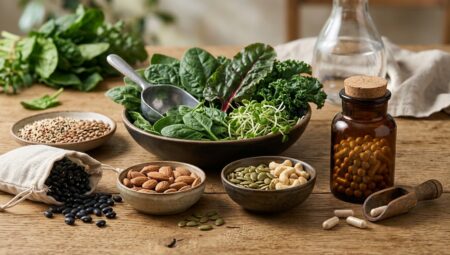
Magnesium has earned its reputation as “nature’s tranquilizer.” In 2026, clinical studies have reinforced its role in activating the parasympathetic nervous system, the system responsible for making you feel calm and relaxed. It does this by regulating neurotransmitters and binding to gamma-aminobutyric acid (GABA) receptors—the same receptors targeted by several sleep medications, but without the groggy side effects.
Deficiency in magnesium is linked to insomnia and restless leg syndrome. By incorporating magnesium-rich foods into your dinner and evening snacks, you provide your muscles with the ability to decompress and your mind the signal to disengage from the day’s stresses.
Top Magnesium Sources:
3. The Power of Tart Cherries and Melatonin-Rich Fruits
While many fruits are beneficial, the Montmorency tart cherry has emerged as a superstar in the sleep world. Unlike most foods, tart cherries contain high concentrations of exogenous melatonin.
A landmark 2025 study published in the Journal of Circadian Health demonstrated that adults who consumed eight ounces of tart cherry juice in the morning and again two hours before bed increased their sleep time by an average of 84 minutes.
Other Sleep-Promoting Fruits:
4. Complex Carbohydrates: Timing Your Glucose for Deep Sleep
For years, the “no-carb” trend dominated health headlines. However, in 2026, the consensus among sleep specialists is that complex carbohydrates are essential for restorative rest. The key lies in the glycemic index (GI) and timing.
High-GI foods like white rice, jasmine rice, or white bread can cause a rapid spike in blood sugar followed by a crash. While this might make you feel sleepy initially, the subsequent cortisol spike as your body tries to stabilize its blood sugar can wake you up in the middle of the night.
Conversely, low-to-medium GI complex carbohydrates provide a steady release of energy. They help Tryptophan enter the brain more efficiently by triggering a mild insulin response that clears away competing amino acids.
The Best Evening Carbs:
| Carbohydrate Type | Effect on Sleep | Recommended Examples |
|---|---|---|
| High-GI (Refined) | Rapid onset, potential midnight waking | White bread, sugary cereal |
| Low-GI (Complex) | Sustained rest, metabolic stability | Sweet potato, brown rice, quinoa |
| Fiber-Rich | Improved Deep Sleep (Stage 3) | Lentils, beans, berries |
5. The Omega-3 Connection: Fatty Fish and Brain Health
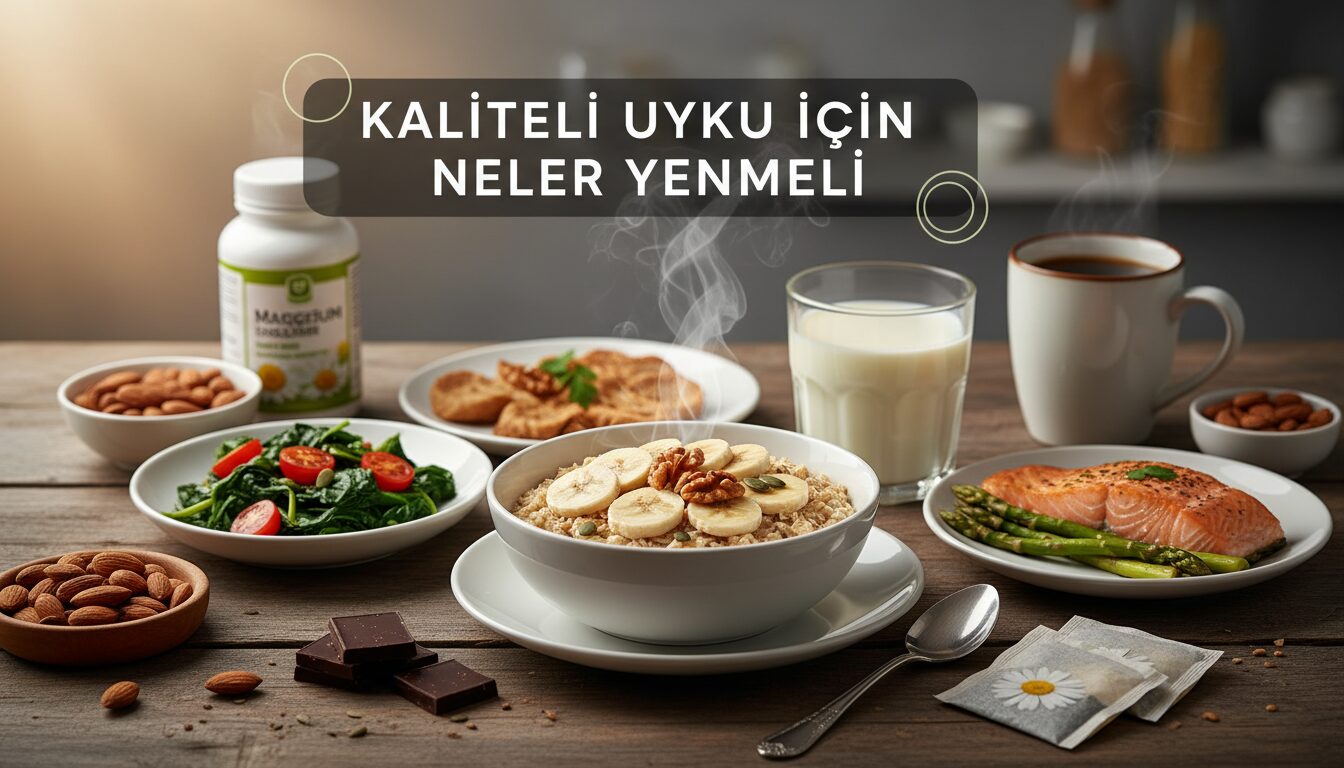
The relationship between heart health and Omega-3 fatty acids is well-known, but its impact on sleep is a major focus in 2026. Fatty fish such as salmon, mackerel, and sardines are rich in both Omega-3s and Vitamin D.
The combination of these two nutrients is potent. Vitamin D acts as a hormone in the body, and its receptors are found in the areas of the brain that control sleep. Omega-3 fatty acids, specifically DHA, have been shown to enhance the body’s natural secretion of melatonin.
“Patients who consume fatty fish at least three times a week report significantly higher sleep efficiency,” states Dr. Marcus Thorne, a leading nutritionist in the 2026 wellness circuit. “The anti-inflammatory properties of these fats reduce the physiological stress that often keeps the nervous system in a state of ‘high alert’ during the night.”
6. Nuts and Seeds: Micronutrients for Muscle Recovery
Nuts and seeds are the ultimate “sleep snacks.” Beyond their magnesium content, they provide a specific balance of fats and minerals that support the physical repair processes that occur during deep sleep.
7. The Gut-Brain Axis: Probiotics and Sleep Quality
The most significant shift in sleep science between 2020 and 2026 has been the understanding of the gut-brain axis. We now know that 90% of the body’s serotonin is produced in the gut, not the brain. A healthy microbiome is, therefore, a prerequisite for healthy sleep.
Dysbiosis—an imbalance of gut bacteria—can lead to systemic inflammation and the production of cytokines that disrupt sleep patterns. By consuming fermented foods and prebiotics, you are essentially “gardening” your way to better sleep.
Probiotic-Rich Foods for Sleep:
8. Herbal Elixirs: Beyond Chamomile in 2026
While chamomile remains a staple, the 2026 wellness market has embraced a wider range of botanical infusions that target specific sleep issues like “busy brain” or physical tension.
9. The Sleep Thieves: Foods That Sabotage Your Rest

Even if you eat all the “right” foods, certain substances can completely negate their benefits. As we move through 2026, the awareness of “hidden stimulants” has grown.
The Caffeine Half-Life: Most people realize coffee keeps them awake, but many underestimate the half-life of caffeine. It takes approximately 5-6 hours for just half* of the caffeine to leave your system. A 4 PM latte means 25% of that caffeine is still active in your brain at 2 AM.
| Substance | Impact on Sleep | Duration of Effect |
|---|---|---|
| Caffeine | Blocks Adenosine (sleep pressure) | 6-10 hours |
| Alcohol | Fragments REM, causes dehydration | 4-8 hours |
| Spicy Foods | Triggers Acid Reflux / Indigestion | 2-4 hours |
| High Sugar | Triggers Cortisol spikes | 1-3 hours |
10. The 2026 Circadian Eating Protocol: Timing and Portioning
In 2026, the concept of when you eat is considered just as important as what you eat. Our metabolic processes follow a strict circadian rhythm. Digestion slows down significantly as night falls, and the body shifts from “processing mode” to “repair mode.”
The 3-Hour Rule:
The Gold Standard for 2026 is to finish your last significant meal at least three hours before bedtime. This allows the stomach to empty, reducing the risk of reflux and allowing the body to redirect its energy from digestion to cellular repair and brain detoxification (the glymphatic system).
The “Sleeper’s Supper” Strategy:
If you must eat closer to bedtime, choose a snack that is approximately 150-200 calories and features a 4:1 ratio of carbohydrates to protein. An example would be a small bowl of oatmeal with a few walnuts or a slice of whole-grain toast with almond butter.
Expert Quote (2026):
“We used to think of sleep as a passive state. We now know it’s one of the most metabolically active times for the brain. If your body is busy breaking down a heavy steak or processing high levels of sugar, it cannot effectively perform the ‘housekeeping’ required for cognitive health.” — Dr. Julianne Rossi, Author of The Circadian Kitchen.
Key Takeaways
Frequently Asked Questions (FAQ)
Q1: Can I just take a melatonin supplement instead of eating these foods?
In 2026, experts recommend food-first approaches. While supplements can help with jet lag, the melatonin found in tart cherries or walnuts comes packaged with antioxidants and phytonutrients that aid absorption and provide a more “natural” signal to the brain, avoiding the potential for hormonal dependency.
Q2: Is dark chocolate a good pre-sleep snack since it has magnesium?
While dark chocolate contains magnesium, it also contains small amounts of caffeine and theobromine, which are stimulants. If you are sensitive to caffeine, it is best to enjoy your dark chocolate in the early afternoon rather than before bed.
Q3: Does warm milk actually work, or is it a myth?
It is scientifically grounded! Milk contains tryptophan and calcium. The calcium helps the brain use the tryptophan to manufacture melatonin. Furthermore, the psychological comfort of a warm beverage can trigger the parasympathetic nervous system to relax.
Q4: I have a “busy brain” at night. Which food helps most with anxiety?
Focus on foods high in Vitamin B6 and Magnesium. Pistachios and pumpkin seeds are excellent choices. Additionally, sipping on Passionflower or Lemon Balm tea can help quiet the “internal monologue” that keeps many people awake.
Q5: Will eating a heavy meal right before bed affect my dreams?
Yes. Heavy meals, especially those high in fat or sugar, increase your body’s core temperature and metabolic rate. This can lead to more frequent “micro-awakenings” during REM sleep, making you more likely to remember your dreams or experience vivid, sometimes unpleasant, dreaming.
Q6: Are there any specific foods that help with Sleep Apnea?
While diet cannot cure Sleep Apnea (which is a structural/respiratory issue), anti-inflammatory foods like fatty fish and berries can reduce inflammation in the airways. Weight management through a balanced diet is also the most effective long-term nutritional strategy for reducing apnea symptoms.
Q7: Is it okay to drink water right before bed?
Hydration is important, but “front-loading” your water intake during the day is better. Drinking large amounts of water right before bed leads to nocturia (waking up to urinate), which disrupts your sleep cycles. Try to limit fluids 60-90 minutes before sleep.
Q8: What is the best “emergency” snack if I wake up hungry at 2 AM?
Avoid anything sugary. Opt for a small amount of protein and fat, such as a tablespoon of almond butter or a small piece of cheese. This will stabilize your blood sugar and provide a small dose of tryptophan to help you drift back to sleep.
Conclusion
As we have explored, the relationship between our plates and our pillows is profound. In the year 2026, we have moved beyond the simple advice of “avoiding coffee.” We now understand that a sleep-supportive diet is a symphony of amino acids, minerals, and timing. By prioritizing tryptophan, embracing the power of magnesium, and respecting our body’s circadian rhythms, we can transform sleep from a nightly struggle into a powerful tool for longevity and mental clarity.
Quality sleep is not an accident; it is a biological state that we must cultivate through our daily choices. Start tonight by choosing one or two of these nutritional strategies—perhaps a glass of tart cherry juice or a side of sautéed spinach with dinner. Your brain, your body, and your future self will thank you for the rest.