
In the fast-paced world of 2026, where the boundaries between professional obligations and personal recovery are increasingly blurred by digital connectivity, the quality of your sleep has never been more vital. You likely understand that sleep is the cornerstone of cognitive function, emotional resilience, and physical health. However, you might not realize that the foundation of a truly restful night begins not when you dim the lights, but when you pick up your fork. Nutrition and sleep are intricately linked in a bidirectional relationship; what you eat affects how you sleep, and how you sleep affects your dietary choices the following day.
As scientific research has advanced over the last few years, we have gained a deeper understanding of how specific macronutrients and micronutrients influence our internal biological clocks. The emergence of personalized nutrition and wearable technology has allowed us to see, in real-time, how a late-night meal or a specific mineral deficiency can disrupt the delicate architecture of our sleep cycles. We no longer view sleep simply as a period of inactivity, but as an active metabolic state that requires the right fuel to function correctly.
When you prioritize sleep-promoting foods, you are not just “eating for health” in a general sense; you are providing your brain with the chemical precursors necessary to manufacture neurotransmitters like serotonin and hormones like melatonin. You are also managing your blood glucose levels to prevent the midnight cortisol spikes that lead to unwanted wakefulness. This guide explores the most effective nutritional strategies available today to help you achieve deep, uninterrupted rest. From the essential amino acids found in lean proteins to the calming minerals in leafy greens, we will examine how you can curate your diet to transform your sleep quality.
Table of Contents
- The Biochemistry of Rest: How Nutrients Impact Sleep
- Tryptophan-Rich Proteins: The Foundation of Melatonin
- Nature’s Melatonin: Fruits That Enhance Sleep Quality
- Magnesium: The Ultimate Relaxation Mineral
- Complex Carbohydrates and the Glycemic Index
- Omega-3 Fatty Acids and Brain Regulation
- The Role of Micronutrients: Vitamin D, B6, and Zinc
- Herbal Infusions and Functional Beverages
- The Gut-Brain Axis: Fermented Foods and Sleep
- Foods and Habits to Avoid for Better Rest
- Frequently Asked Questions (FAQ)
1. The Biochemistry of Rest: How Nutrients Impact Sleep
To understand why certain foods are important for sleep, you must first understand the internal chemistry that governs your circadian rhythm. Your body relies on a complex series of conversions to transition from a state of alertness to a state of rest. This process primarily revolves around the production of melatonin, the hormone responsible for signaling to your brain that it is time to wind down.
The journey to melatonin production begins with an essential amino acid called tryptophan. When you consume tryptophan, your body converts it into serotonin—a neurotransmitter often associated with mood and relaxation. As the sun sets and light exposure decreases, the pineal gland in your brain then converts serotonin into melatonin. However, this conversion process is not a solo act; it requires several “co-factors,” including Vitamin B6, Vitamin B12, magnesium, and folic acid. If your diet is deficient in these supporting nutrients, the production line slows down, leaving you feeling wired even when you are physically exhausted.
Furthermore, we must consider the role of GABA (Gamma-Aminobutyric Acid), an inhibitory neurotransmitter that reduces neuronal excitability. Certain foods can help increase GABA activity in the brain, effectively “quieting” the central nervous system. When you consume foods rich in glutamic acid or those that support healthy gut bacteria, you are indirectly boosting your body’s ability to relax.
| Nutrient | Primary Function in Sleep | Common Food Sources |
|---|---|---|
| Tryptophan | Precursor to Serotonin and Melatonin | Turkey, Pumpkin Seeds, Eggs |
| Magnesium | Regulates GABA; reduces Cortisol | Spinach, Almonds, Dark Chocolate |
| Vitamin B6 | Facilitates the production of Serotonin | Salmon, Chickpeas, Bananas |
| Potassium | Improves sleep maintenance and muscle relaxation | Potatoes, Bananas, Avocado |
2. Tryptophan-Rich Proteins: The Foundation of Melatonin
You have likely heard of the “turkey coma” associated with Thanksgiving dinner. While the sheer volume of food consumed during holidays contributes to lethargy, there is a scientific basis for why turkey and other proteins are vital for sleep. As mentioned, tryptophan is the starting material for melatonin. However, consuming tryptophan-rich foods alone is often not enough.
In the competitive environment of your bloodstream, tryptophan must compete with other “large neutral amino acids” (LNAAs) to cross the blood-brain barrier. We recommend that you pair these proteins with a small amount of complex carbohydrates. The resulting insulin spike from the carbohydrates helps clear other amino acids from the blood, allowing tryptophan a “clear lane” to enter the brain.
In 2026, we have seen a rise in the popularity of “evening protein snacks” among athletes and professionals alike. Foods like Greek yogurt, cottage cheese, and pumpkin seeds are excellent choices. Pumpkin seeds, in particular, are a powerhouse; they contain one of the highest concentrations of tryptophan per gram of any whole food.
Expert Insight: “A balanced evening meal containing roughly 20-30 grams of high-quality protein ensures a steady supply of amino acids that support the repair of tissues during the deep stages of sleep,” notes Dr. Elena Vance, a leading nutritional scientist in San Francisco.
3. Nature’s Melatonin: Fruits That Enhance Sleep Quality
While your body produces its own melatonin, you can also absorb it directly from certain plants. Recent studies have highlighted specific fruits that act as natural sleep aids without the grogginess often associated with synthetic supplements.
Tart Cherries: Specifically the Montmorency variety, tart cherries have been shown in multiple clinical trials to increase exogenous melatonin levels. When you drink tart cherry juice or eat the dried fruit, you are providing your body with a concentrated dose of sleep hormones and antioxidants that reduce inflammation, which is a common cause of sleep disruption.
Kiwi Fruit: One of the most significant breakthroughs in sleep nutrition over the last decade involves the humble kiwi. Research indicates that consuming two kiwis one hour before bed can significantly improve sleep onset (how fast you fall asleep) and sleep duration. This is attributed to the high concentration of serotonin and antioxidants found in the fruit.
Bananas: These are often called “sleeping pills in a peel.” Bananas provide a triple threat: they contain tryptophan, potassium, and magnesium. The potassium and magnesium act as natural muscle relaxants, helping your body physically release the tension of the day.
4. Magnesium: The Ultimate Relaxation Mineral
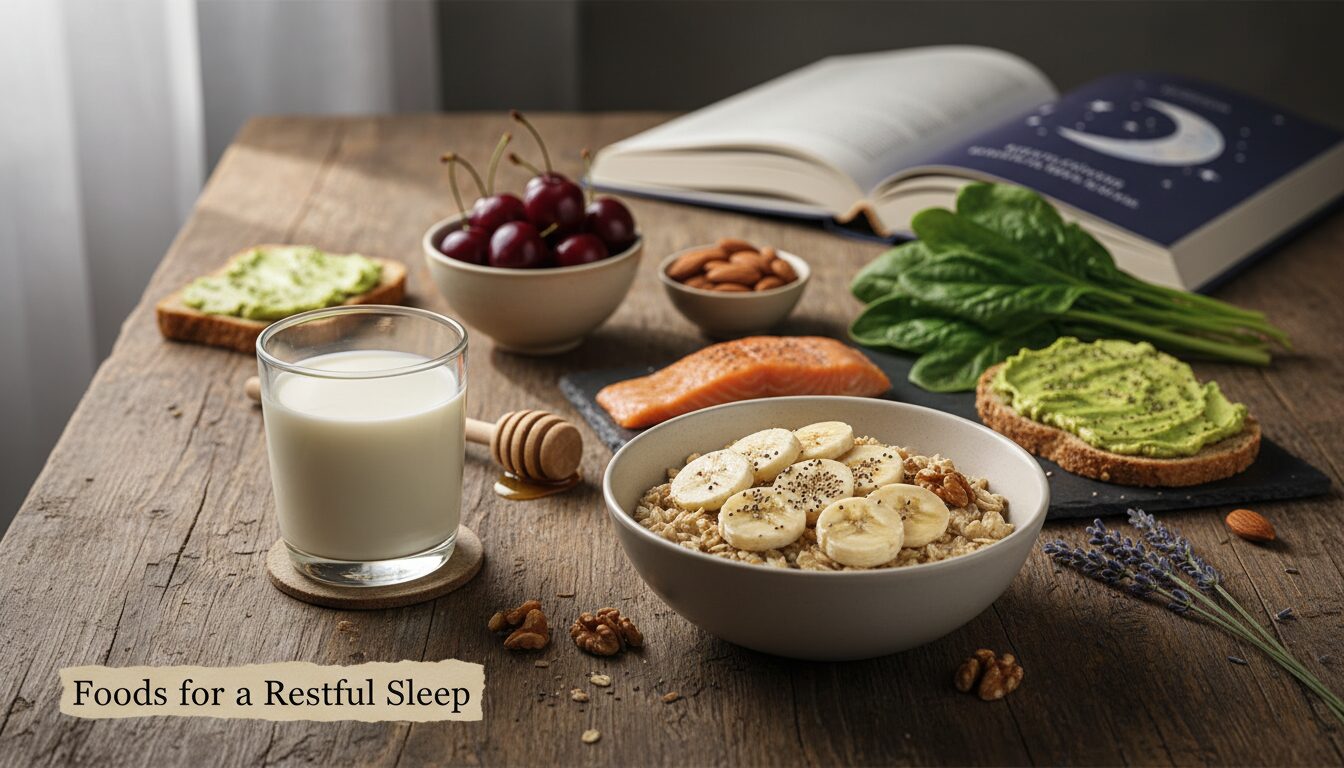
If there is one mineral you should prioritize for better rest, it is magnesium. Often referred to as “the relaxation mineral,” magnesium plays a role in over 300 biochemical reactions in the human body. Crucially, it helps regulate the neurotransmitters that calm the nervous system.
Many Americans are chronically deficient in magnesium due to the depletion of minerals in modern soil and the prevalence of processed foods. When your magnesium levels are low, your nervous system remains in a state of hyper-arousal, making it difficult to achieve deep, slow-wave sleep.
| Magnesium Source | Serving Size | Magnesium Content (Approx.) |
|---|---|---|
| Pumpkin Seeds | 1 oz | 156 mg |
| Spinach (Boiled) | 1/2 cup | 78 mg |
| Almonds | 1 oz | 80 mg |
| Dark Chocolate (70%+) | 1 oz | 64 mg |
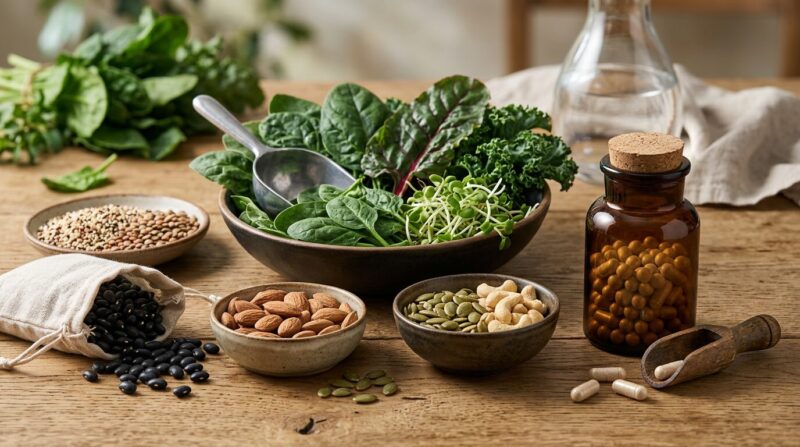
We recommend that you incorporate magnesium-rich foods into your dinner menu. A salad of baby spinach topped with pumpkin seeds and a side of almonds can provide a significant percentage of your daily requirement. Furthermore, magnesium helps maintain healthy levels of GABA, which promotes the “switching off” of the brain at night.
5. Complex Carbohydrates and the Glycemic Index
The relationship between carbohydrates and sleep is often misunderstood. While high-sugar snacks before bed can cause a “sugar crash” and lead to middle-of-the-night awakenings, complex carbohydrates are actually beneficial.
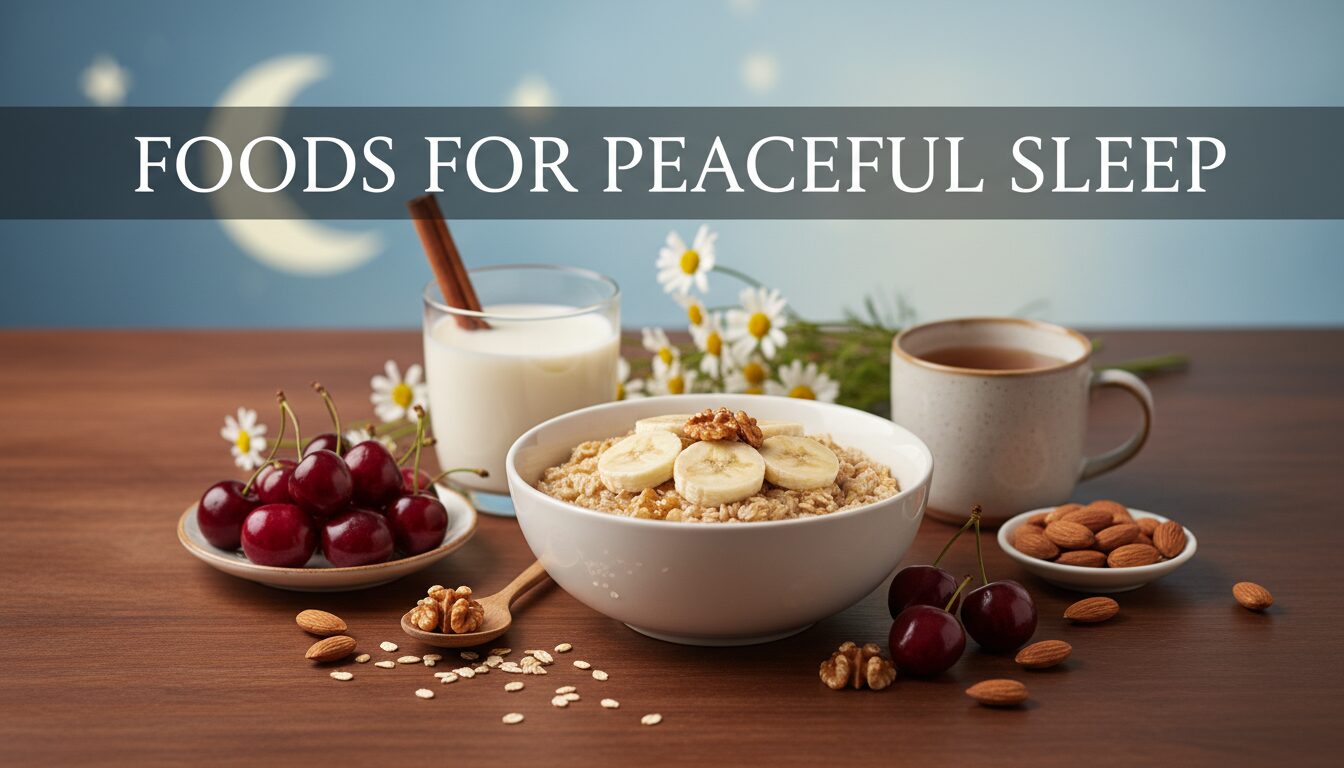
When you consume complex carbohydrates—such as sweet potatoes, brown rice, or oatmeal—your body experiences a slow, steady release of energy. This prevents the blood sugar dips that trigger the release of cortisol, your body’s primary stress hormone. If your blood sugar drops too low during the night, your brain views this as an emergency and releases cortisol and adrenaline to mobilize glucose. This is a common reason why you might wake up at 3:00 AM with a racing heart.
In 2026, the use of continuous glucose monitors has shown us that “stable glucose equals stable sleep.” Choosing carbohydrates with a low to medium glycemic index ensures that you remain in a fed state throughout the night, allowing your body to focus on repair rather than energy management.
6. Omega-3 Fatty Acids and Brain Regulation
Omega-3 fatty acids, particularly DHA and EPA found in fatty fish, are essential for cognitive health and sleep regulation. Recent research conducted in 2025 has further solidified the link between omega-3 intake and the release of melatonin.
Fatty fish such as salmon, mackerel, and sardines are rich in both Omega-3s and Vitamin D. This combination is powerful; Vitamin D is known to influence the part of the brain that controls your circadian rhythm. A study involving middle-aged adults showed that those who consumed salmon three times a week for six months fell asleep faster and felt more refreshed in the morning compared to those who consumed other proteins.
For those on a plant-based diet, walnuts and chia seeds are the primary sources of ALA (alpha-linolenic acid), which the body can partially convert to the more active forms of Omega-3. Walnuts are particularly interesting because they also contain their own small amounts of melatonin.
7. The Role of Micronutrients: Vitamin D, B6, and Zinc
While macronutrients (proteins, fats, carbs) provide the structure, micronutrients provide the sparks that ignite sleep-related processes.
- Vitamin B6: As mentioned, this is a vital co-factor for converting tryptophan into serotonin. Without enough B6, the process stalls. Chickpeas (hummus) and poultry are excellent sources.
- Vitamin D: Often called the “sunshine vitamin,” it acts more like a hormone in the body. Low levels of Vitamin D are strongly correlated with shorter sleep duration and more disrupted sleep.
- Zinc: Often found in oysters, beef, and legumes, zinc has been shown to improve the quality of sleep in both children and adults. It is thought to have a sedative effect on the central nervous system.
- Kefir: A fermented milk drink that contains probiotics and tryptophan.
- Yogurt: Provides calcium, which helps the brain use the tryptophan to manufacture melatonin.
- Sauerkraut and Kimchi: While these are not typical bedtime snacks, including them in your lunch or dinner supports the overall health of the gut-brain axis.
We suggest that you consider a “sleep-supportive bowl” for dinner: quinoa (complex carb), chickpeas (B6), and sautéed kale (magnesium and calcium), topped with a few toasted walnuts (Omega-3s).
8. Herbal Infusions and Functional Beverages
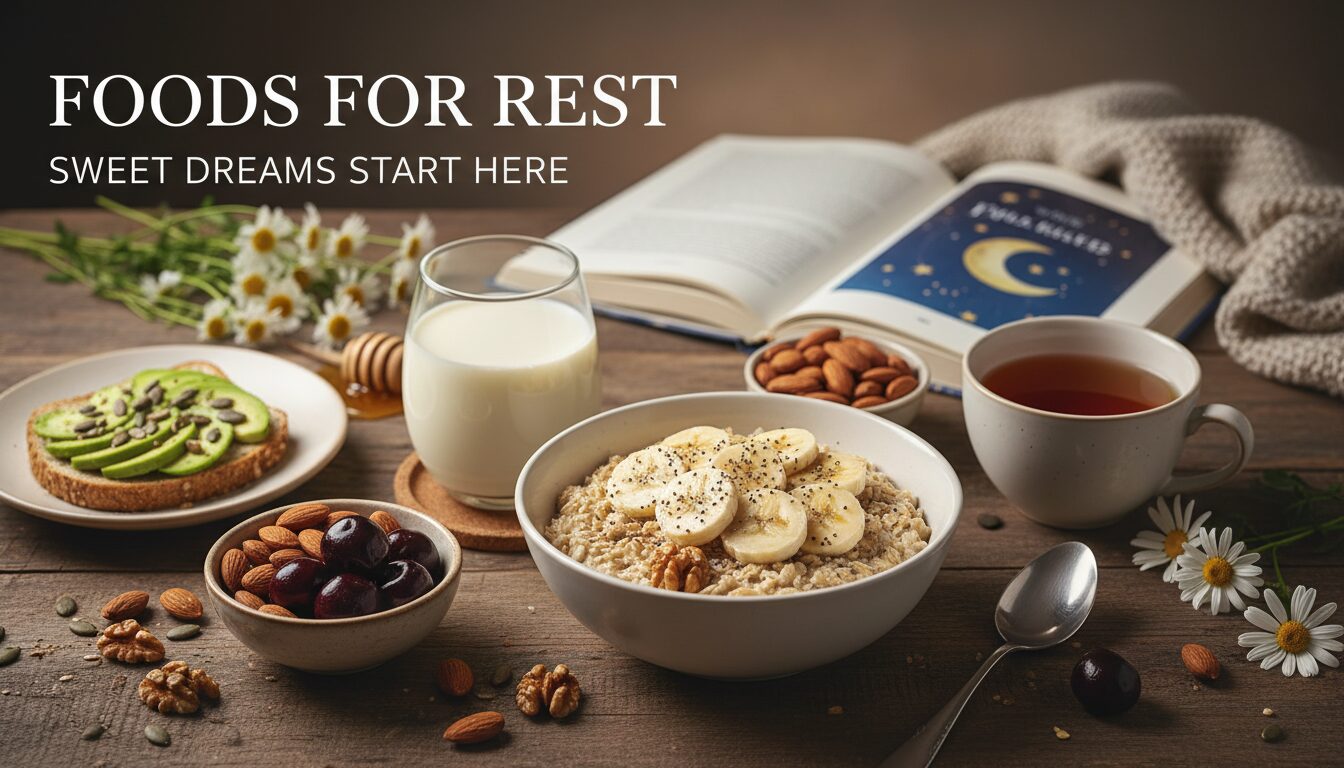
In 2026, the market for “functional beverages” has exploded, moving beyond simple chamomile tea into advanced botanical blends. However, the traditional options remain highly effective for those seeking a natural ritual to end their day.
Chamomile: This herb contains an antioxidant called apigenin. Apigenin binds to specific receptors in your brain that may promote sleepiness and reduce insomnia. The ritual of sipping a warm beverage also serves as a psychological signal to your brain that the day is over.
Valerian Root: Often used in concentrated tea forms, valerian root has been used since ancient Greek and Roman times to treat nervousness and tremors. It is believed to inhibit the breakdown of GABA in the brain.
Passionflower: Research suggests that passionflower tea can improve sleep quality, particularly for those with mild fluctuations in sleep patterns. It works similarly to chamomile by boosting GABA levels.
Golden Milk: This traditional Ayurvedic drink made with turmeric, ginger, and warm milk (or plant-based milk) has gained massive popularity in the United States. Turmeric’s anti-inflammatory properties can help those whose sleep is disrupted by joint pain or systemic inflammation.
9. The Gut-Brain Axis: Fermented Foods and Sleep
One of the most exciting areas of nutritional science in 2026 is the “gut-sleep connection.” Your gut is home to trillions of bacteria that produce many of the same neurotransmitters used by your brain, including serotonin and GABA. In fact, more serotonin is produced in your gut than in your brain.
When your gut microbiome is imbalanced—a state known as dysbiosis—it can negatively impact your sleep. Conversely, a diverse and healthy microbiome supports a stable mood and better rest.
Including fermented foods in your diet can support this balance:
A 2024 study published in the Journal of Clinical Sleep Medicine found that individuals with a high-fiber diet spent more time in deep, slow-wave sleep. Fiber is the “food” for your beneficial gut bacteria, making it an indirect but essential sleep aid.
10. Foods and Habits to Avoid for Better Rest
Knowing what to eat is only half the battle; you must also know what to avoid, especially in the three to four hours leading up to your bedtime.
Caffeine: In 2026, we understand that caffeine has a “half-life” of about five to six hours. This means if you have a cup of coffee at 4:00 PM, half of that caffeine is still in your system at 10:00 PM. Caffeine blocks adenosine receptors in the brain—adenosine is the chemical that builds up throughout the day to make you feel sleepy. We recommend a “caffeine cutoff” by 12:00 PM or 2:00 PM for most individuals.
Alcohol: While alcohol is a sedative that might help you fall asleep faster, it is a significant disruptor of REM (Rapid Eye Movement) sleep. As the alcohol is metabolized, it creates a “rebound effect,” causing you to wake up frequently in the second half of the night. It also relaxes the muscles in the throat, which can worsen snoring and sleep apnea.
Spicy and Acidic Foods: Heartburn and acid reflux are major sleep killers. Lying down after a spicy meal can cause stomach acid to travel up the esophagus, leading to discomfort that prevents deep sleep.
High-Sugar Snacks: A spike in insulin followed by a rapid drop can cause your body to release stress hormones in the middle of the night, leading to “fragmented sleep.”
| Food/Substance | Impact on Sleep | Recommended Action |
|---|---|---|
| Caffeine | Blocks Adenosine (sleep pressure) | Stop consumption 8-10 hours before bed |
| Alcohol | Disrupts REM cycles; causes waking | Avoid within 3 hours of sleep |
| Spicy Foods | Causes Acid Reflux/Heartburn | Eat spicy foods at lunch, not dinner |
| Sugary Treats | Causes blood sugar spikes/drops | Choose high-fiber fruit instead |
Key Takeaways
* Prioritize Tryptophan: Include turkey, seeds, or eggs in your evening meal to provide the raw materials for melatonin.
* Leverage Magnesium: Eat leafy greens and nuts to calm your nervous system and regulate GABA.
* Fruit for the Finish: Two kiwis or a glass of tart cherry juice can significantly improve sleep onset.
* Stabilize Blood Sugar: Use complex carbohydrates like sweet potatoes to prevent middle-of-the-night cortisol spikes.
* Watch the Timing: Finish your last large meal at least three hours before bed to allow for proper digestion.
* Hydrate Wisely: Use herbal teas like chamomile but limit fluid intake right before bed to prevent frequent bathroom trips.
Frequently Asked Questions (FAQ)
Q: Is it true that warm milk helps you sleep, or is it just a myth?
A: It is both physiological and psychological. Milk contains tryptophan and calcium (which helps the brain process tryptophan). Furthermore, the psychological association with comfort and childhood can trigger a relaxation response. However, if you are lactose intolerant, the digestive distress will outweigh any benefits, so we recommend a fortified almond or soy milk instead.
Q: How long before bed should I stop eating?
A: Generally, we recommend a three-hour window. This allows your body to focus on metabolic repair and hormone regulation during sleep rather than active digestion. If you are truly hungry, a small 150-calorie snack (like a banana or a few almonds) is acceptable.
Q: Can dark chocolate be a good bedtime snack because of the magnesium?
A: While dark chocolate is rich in magnesium and antioxidants, it also contains small amounts of caffeine and a stimulant called theobromine. For most people, a small square is fine, but if you are highly sensitive to stimulants, it is better to get your magnesium from seeds or greens.
Q: Are there any specific foods that help with nightmares?
A: While no food can “stop” nightmares, very heavy, high-fat meals late at night can increase your core body temperature and metabolic rate, which is linked to more vivid dreaming and frequent awakenings. Stabilizing your blood sugar and avoiding alcohol are the best dietary defenses against disrupted dreaming.
Q: Does it matter if I eat the same sleep-promoting foods every day?
A: Diversity is key for the gut microbiome. While having a “sleep routine” is good, we recommend rotating your sources of magnesium and Omega-3s. For example, switch between salmon and walnuts, or between spinach and kale, to ensure you are getting a broad spectrum of phytonutrients.
Q: Should I take a melatonin supplement instead of eating these foods?
A: In 2026, the medical consensus is “food first.” Supplements often provide dosages that are much higher than what the body naturally produces, which can lead to grogginess or dependence. Obtaining the precursors from food allows your body to regulate its own production levels naturally.
Conclusion
As you have seen, the path to a better night’s sleep is paved with the choices you make in the kitchen. In our modern era, where we are constantly bombarded with blue light and high-stress environments, using nutrition as a tool for recovery is a powerful way to reclaim your health. By understanding the roles of tryptophan, magnesium, and complex carbohydrates, you can move away from the frustration of restless nights and toward a state of deep, restorative slumber.
We recommend that you start small. You do not need to overhaul your entire pantry overnight. Perhaps you begin by replacing your late-night sugary snack with a handful of walnuts and a kiwi. Or perhaps you trade your afternoon cup of coffee for a soothing cup of chamomile tea. Over time, these small dietary shifts will harmonize with your body’s natural rhythms, allowing you to wake up feeling refreshed, focused, and ready to meet the challenges of the day.
Your sleep is an investment in your future self. By choosing the right foods today, you are ensuring a more vibrant, energetic, and healthy tomorrow. Remember that your body is a sophisticated biological machine; when you provide it with the high-quality fuel it requires, it will perform the miracle of rest with ease.
*
Disclaimer: The information provided in this article is for educational purposes and is not intended as medical advice. Please consult with a healthcare professional or a registered dietitian before making significant changes to your diet, especially if you have underlying health conditions.