

Table of Contents
- Introduction
- The Ubiquity and Biological Significance of Magnesium
- Tryptophan: A Precursor to Serotonin and Melatonin
- The Biochemical Interplay: Magnesium’s Influence on Tryptophan Metabolism
- Neurological and Psychiatric Applications
- Gastrointestinal Health and the Gut-Brain Axis
- Cardiovascular Implications
- Musculoskeletal System and Athletic Performance
- Metabolic Syndrome and Type 2 Diabetes
- Dietary Sources and Bioavailability
- Supplementation Strategies and Considerations
- Assessment of Deficiency and Clinical Monitoring
- Future Research Directions and Emerging Therapies
- Key Takeaways
- Frequently Asked Questions
- Conclusion
* Magnesium’s Role in Enzymatic Cofaction
* Neurotransmitter Regulation and Excitability
* Mitochondrial Function and Energy Production
* Bone Health and Structural Integrity
* The Kynurenine Pathway and Immune Modulation
* Serotonin Synthesis: Mood and Cognitive Regulation
* Melatonin Production: Circadian Rhythm and Sleep Architecture
* Niacin Synthesis and Cellular Metabolism
* Magnesium as a Cofactor for Tryptophan Hydroxylase
* Regulation of Kynurenine Pathway Enzymes
* Impact on Serotonin Reuptake Mechanisms
* Anxiety Disorders and Stress Response Modulation
* Depressive Disorders: Mechanistic Insights
* Sleep Disturbances and Insomnia
* Migraine Prophylaxis and Management
* Motility, Digestion, and Absorption
* Microbiome Modulation
* Irritable Bowel Syndrome (IBS) Considerations
* Blood Pressure Regulation
* Arrhythmia Prevention
* Endothelial Function and Vascular Tone
* Muscle Contraction and Relaxation
* Cramp Prevention and Recovery
* Bone Mineral Density
* Insulin Sensitivity and Glucose Homeostasis
* Inflammatory Pathways
* Magnesium-Rich Foods
* Tryptophan-Rich Foods
* Factors Influencing Absorption and Utilization
* Forms of Magnesium: A Comparative Analysis
* Tryptophan and 5-HTP: Dosing and Safety
* Synergistic Supplementation Protocols
* Potential Interactions and Contraindications
* Challenges in Magnesium Status Assessment
* Tryptophan Metabolite Profiling
* Clinical Symptomatology
* Personalized Nutrition and Omics Technologies
* Novel Delivery Systems
* Advanced Diagnostic Modalities
1. Introduction
In the intricate symphony of human biological processes, the interplay between essential micronutrients and amino acids is often understated yet profoundly impactful. Among these vital components, magnesium (Mg) and L-tryptophan (Trp) stand out for their widespread influence on virtually every physiological system. As we advance into 2026, the scientific community continues to elucidate the complex mechanisms through which these biomolecules contribute to health maintenance, disease prevention, and therapeutic interventions. This comprehensive guide aims to provide an exhaustive exploration of magnesium and tryptophan, individually and synergistically, detailing their biochemical roles, clinical applications, and practical considerations for optimizing their intake.
Magnesium, an ubiquitous intracellular cation, participates in over 300 enzymatic reactions, serving as a critical cofactor in energy production, nucleic acid synthesis, and signal transduction. Its regulatory effects extend to neurological function, cardiovascular health, and musculoskeletal integrity. Despite its fundamental importance, magnesium deficiency remains a prevalent issue in modern populations, largely attributed to dietary shifts, soil depletion, and various physiological stressors.
Concurrently, L-tryptophan, an essential amino acid, holds a unique position as the sole precursor for the neurotransmitter serotonin (5-hydroxytryptamine, 5-HT) and the hormone melatonin. Through these derivatives, tryptophan significantly modulates mood, sleep, appetite, and cognitive function. Beyond its neuroregulatory roles, tryptophan metabolism also contributes to immune modulation via the kynurenine pathway and niacin synthesis, further cementing its broad physiological relevance.
The confluence of magnesium and tryptophan reveals a compelling synergistic relationship. Magnesium is indispensable for the enzymatic conversions within tryptophan’s metabolic pathways, particularly the rate-limiting steps in serotonin and melatonin synthesis. This intricate partnership underscores their combined potential to influence neurological, psychological, and systemic health outcomes. Understanding this synergy is paramount for clinicians, researchers, and individuals seeking to optimize well-being through evidence-based nutritional strategies. This document will systematically dissect their individual contributions and then synthesize the current understanding of their collaborative impact, offering a robust foundation for informed decision-making.
2. The Ubiquity and Biological Significance of Magnesium

Magnesium is the fourth most abundant cation in the human body, playing a pivotal role in maintaining cellular homeostasis and facilitating numerous biochemical processes. Approximately 50-60% of total body magnesium is stored in bone, with the remainder distributed in soft tissues, muscle, and a small fraction in extracellular fluid. Its importance cannot be overstated, extending from the molecular level to systemic physiological functions.
Magnesium’s Role in Enzymatic Cofaction
One of the most fundamental roles of magnesium is its capacity to act as a cofactor for over 300 enzymatic reactions, particularly those involving adenosine triphosphate (ATP). ATP, the primary energy currency of the cell, must bind to magnesium to become biologically active (Mg-ATP). This interaction is crucial for processes such as glycolysis, oxidative phosphorylation, and fatty acid oxidation. Enzymes like hexokinase, phosphofructokinase, and creatine kinase are all magnesium-dependent. Without adequate magnesium, cellular energy production is compromised, impacting virtually every cellular activity.
Neurotransmitter Regulation and Excitability
Magnesium is a potent modulator of neuronal excitability and synaptic transmission. It acts as a natural calcium channel blocker, regulating the influx of calcium ions into neurons. By competing with calcium at N-methyl-D-aspartate (NMDA) receptors, magnesium prevents excessive neuronal excitation, which can contribute to excitotoxicity and neurodegenerative processes. This inhibitory effect is critical for maintaining neural stability and preventing hyperexcitability, a characteristic often observed in conditions like epilepsy and migraine. Furthermore, magnesium influences the release and reuptake of various neurotransmitters, including serotonin, dopamine, and gamma-aminobutyric acid (GABA), thereby impacting mood, cognition, and sleep.
Mitochondrial Function and Energy Production
Within the mitochondria, the powerhouses of the cell, magnesium is essential for several critical steps of energy production. It is required for the activity of ATP synthase, the enzyme complex responsible for synthesizing ATP during oxidative phosphorylation. Moreover, magnesium participates in the regulation of mitochondrial membrane potential and integrity. A deficiency in magnesium can impair mitochondrial efficiency, leading to reduced ATP production and increased oxidative stress, which has implications for cellular aging and various chronic diseases.
Bone Health and Structural Integrity
While 50-60% of magnesium resides in bone, its role extends beyond mere structural contribution. Magnesium is involved in bone formation and remodeling through its influence on osteoblast and osteoclast activity. It is also required for the proper function of parathyroid hormone (PTH) and vitamin D, both of which are crucial regulators of calcium and phosphate metabolism, directly impacting bone mineral density. Studies indicate a strong correlation between adequate magnesium intake and reduced risk of osteoporosis and bone fractures, particularly in postmenopausal women.
3. Tryptophan: A Precursor to Serotonin and Melatonin
L-tryptophan is an essential aromatic amino acid, meaning it cannot be synthesized by the human body and must be obtained through dietary sources. Its metabolic pathways are diverse and critical, influencing neurotransmission, immune responses, and metabolic regulation.
The Kynurenine Pathway and Immune Modulation
A significant proportion, often over 90%, of dietary tryptophan is metabolized via the kynurenine pathway (KP), primarily in the liver but also in immune cells and the brain. The initial and rate-limiting enzyme in this pathway is indoleamine 2,3-dioxygenase (IDO) or tryptophan 2,3-dioxygenase (TDO). The KP generates a series of neuroactive and immunomodulatory metabolites, including kynurenine, kynurenic acid, and quinolinic acid. While kynurenic acid possesses neuroprotective properties, quinolinic acid is a neurotoxin and NMDA receptor agonist. The balance between these metabolites is crucial for neuronal health and immune function. Chronic inflammation can upregulate IDO activity, diverting tryptophan away from serotonin synthesis and increasing the production of neurotoxic kynurenine metabolites, which can contribute to depression and other neuropsychiatric disorders.
Serotonin Synthesis: Mood and Cognitive Regulation
The remaining 1-3% of tryptophan is metabolized through the serotonin pathway, primarily in the brain and gut. Tryptophan is first converted to 5-hydroxytryptophan (5-HTP) by the enzyme tryptophan hydroxylase (TPH), which is the rate-limiting step. Subsequently, 5-HTP is decarboxylated by L-aromatic amino acid decarboxylase (AADC) to form serotonin (5-HT). Serotonin acts as a key neurotransmitter involved in regulating mood, appetite, sleep, memory, and cognitive functions. Imbalances in serotonin levels are implicated in various neuropsychiatric conditions, including depression, anxiety, and obsessive-compulsive disorder. The gut contains the majority of the body’s serotonin, where it regulates gut motility and secretion, establishing a crucial link in the gut-brain axis.
Melatonin Production: Circadian Rhythm and Sleep Architecture
Serotonin serves as a precursor for the synthesis of melatonin, the primary hormone regulating circadian rhythms and sleep-wake cycles. In the pineal gland, serotonin is converted to N-acetylserotonin by N-acetyltransferase (NAT) and then to melatonin by hydroxyindole-O-methyltransferase (HIOMT). Melatonin plays a critical role in signaling darkness to the brain, inducing sleep, and regulating various physiological processes that follow a diurnal pattern. Disruptions in melatonin production can lead to sleep disorders, jet lag, and contribute to other health issues.
Niacin Synthesis and Cellular Metabolism
In addition to its major metabolic pathways, tryptophan can also be converted to niacin (vitamin B3) in the liver. This conversion involves several steps within the kynurenine pathway, with quinolinic acid serving as a precursor. Niacin is essential for the synthesis of coenzymes nicotinamide adenine dinucleotide (NAD+) and nicotinamide adenine dinucleotide phosphate (NADP+), which are vital for numerous metabolic reactions, including energy production, DNA repair, and antioxidant defense. While the body can synthesize niacin from tryptophan, dietary intake of niacin is typically sufficient, and this pathway becomes more significant under conditions of niacin deficiency.
4. The Biochemical Interplay: Magnesium’s Influence on Tryptophan Metabolism
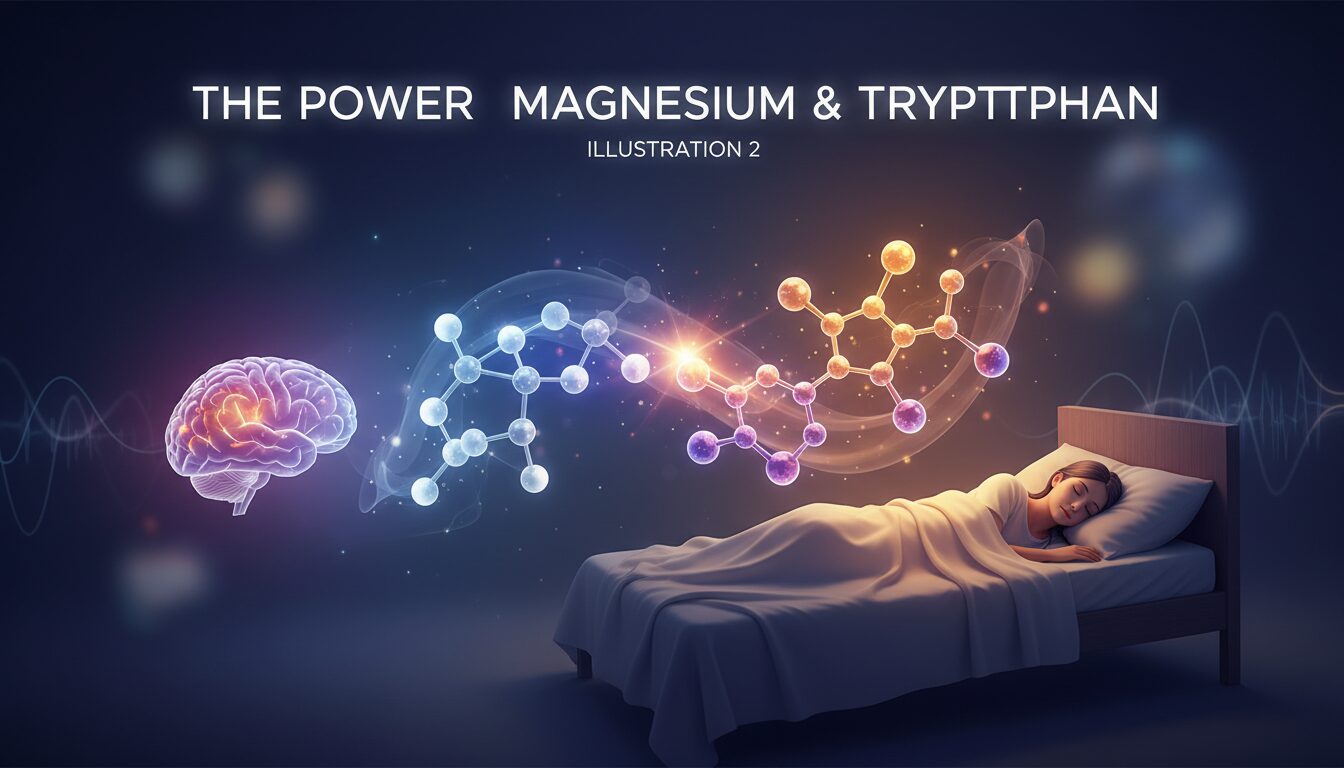
The relationship between magnesium and tryptophan is not merely coincidental; it is a fundamental biochemical synergy where magnesium acts as a critical enabler for optimal tryptophan metabolism. Without adequate magnesium, the efficient conversion of tryptophan into its vital derivatives is significantly impaired.
Magnesium as a Cofactor for Tryptophan Hydroxylase
The initial and rate-limiting step in the synthesis of serotonin from tryptophan is catalyzed by the enzyme tryptophan hydroxylase (TPH). Research has demonstrated that magnesium is an essential cofactor for TPH activity. Specifically, magnesium ions are required for the proper conformational structure and catalytic efficiency of the enzyme. A deficiency in magnesium can therefore reduce the activity of TPH, leading to a bottleneck in the conversion of tryptophan to 5-HTP, and subsequently, to serotonin. This mechanistic insight provides a direct biochemical link between magnesium status and serotonin production, explaining why magnesium deficiency often presents with symptoms associated with low serotonin, such as mood disturbances and sleep difficulties.
Regulation of Kynurenine Pathway Enzymes
While magnesium’s direct role in the kynurenine pathway (KP) is less extensively studied compared to the serotonin pathway, indirect evidence suggests its influence. Chronic inflammation, often exacerbated by magnesium deficiency, is known to upregulate indoleamine 2,3-dioxygenase (IDO) activity, shunting tryptophan towards the neurotoxic kynurenine metabolites. By mitigating systemic inflammation, magnesium may indirectly help to restore the balance in tryptophan metabolism, favoring serotonin synthesis over the KP. Furthermore, magnesium’s broad role in energy metabolism and cellular stress responses may impact the overall efficiency and regulation of various enzymes within the KP, although specific magnesium-dependent enzymes in this pathway are still under active investigation.
Impact on Serotonin Reuptake Mechanisms
Beyond synthesis, magnesium may also influence the dynamics of serotonin in the synaptic cleft. Serotonin transporter (SERT) proteins are responsible for the reuptake of serotonin from the synapse back into the presynaptic neuron, a mechanism targeted by selective serotonin reuptake inhibitors (SSRIs). While magnesium does not directly interact with SERT in the same manner as a pharmaceutical agent, its role in neuronal membrane excitability and calcium signaling can indirectly affect transporter function. Optimal magnesium levels contribute to overall neuronal health and proper membrane potential, which are essential for the efficient and balanced functioning of neurotransmitter reuptake systems. Dysregulation of calcium homeostasis, often seen in magnesium deficiency, can impact various membrane proteins, including transporters, thereby potentially influencing serotonin availability in the synapse.
Table 1: Key Synergistic Roles of Magnesium and Tryptophan in Biochemical Pathways
| Pathway / Metabolite | Magnesium’s Direct Role | Tryptophan’s Role | Synergistic Outcome |
|---|---|---|---|
| Serotonin Synthesis | Cofactor for TPH enzyme | Precursor amino acid | Enhanced mood and cognition |
| Melatonin Synthesis | Indirect (via serotonin) | Precursor amino acid | Improved sleep regulation |
| ATP Production | Cofactor for ATPases | Indirect (via NAD+) | Optimized cellular energy |
| Niacin Synthesis | Indirect (via pathways) | Precursor amino acid | Supports metabolic function |
| Neurotransmission | NMDA receptor antagonist | Serotonin/GABA precursor | Balanced neuronal excitability |
5. Neurological and Psychiatric Applications
The synergistic relationship between magnesium and tryptophan holds significant implications for neurological and psychiatric health, offering potential therapeutic avenues for a range of conditions.
Anxiety Disorders and Stress Response Modulation
Magnesium plays a critical role in modulating the stress response system. It helps regulate the hypothalamic-pituitary-adrenal (HPA) axis, reducing the release of stress hormones like cortisol. Furthermore, magnesium enhances the activity of gamma-aminobutyric acid (GABA), the primary inhibitory neurotransmitter in the brain, which promotes relaxation and reduces neuronal excitability. Concurrently, tryptophan’s conversion to serotonin helps to regulate mood and reduce anxious behaviors. Studies have shown that low serotonin levels are associated with increased anxiety. The combined administration of magnesium and tryptophan or its derivative 5-HTP has been explored for its anxiolytic effects. For instance, magnesium can improve cellular resilience to stress, while increased serotonin availability from tryptophan metabolism can directly contribute to a calmer state, suggesting a potent complementary action in managing generalized anxiety disorder, panic disorder, and social anxiety.
Depressive Disorders: Mechanistic Insights
Depression is a multifactorial disorder, and dysregulation of neurotransmitters, particularly serotonin, is a prominent hypothesis. As established, magnesium is crucial for serotonin synthesis, and tryptophan is its direct precursor. A deficiency in either can lead to reduced serotonin levels, contributing to depressive symptoms. Observational studies consistently report lower magnesium levels in individuals with depression, and magnesium supplementation has shown antidepressant effects, sometimes comparable to conventional antidepressants, particularly in those with documented deficiency. When combined with tryptophan supplementation, which directly increases serotonin availability, the potential for alleviating depressive symptoms is further amplified. This synergy addresses both the foundational enzymatic requirement (magnesium) and the substrate availability (tryptophan) for optimal serotonergic function, offering a comprehensive approach to mood stabilization.
Sleep Disturbances and Insomnia
Both magnesium and tryptophan are fundamental to healthy sleep. Magnesium promotes sleep by activating GABA receptors, which calm the nervous system, and by regulating melatonin. It also helps relax muscles, reducing restless leg syndrome symptoms that can interfere with sleep. Tryptophan, being the precursor to melatonin, directly influences the sleep-wake cycle. A diet rich in tryptophan, particularly when consumed with carbohydrates that facilitate its entry into the brain, can enhance melatonin production. The combination is powerful: magnesium facilitates the conversion of tryptophan to serotonin and then to melatonin, while also providing its inherent sedative and muscle-relaxing properties. Clinical trials have demonstrated that magnesium supplementation can improve sleep quality, reduce insomnia severity, and prolong sleep time. When integrated with appropriate tryptophan intake, this regimen provides a comprehensive strategy for addressing various forms of sleep disturbances, including chronic insomnia and circadian rhythm disorders.
Migraine Prophylaxis and Management
Magnesium has a well-established role in migraine prophylaxis. Mechanisms include its ability to modulate cerebral vasodilation and constriction, reduce cortical spreading depression (a phenomenon implicated in aura), and inhibit platelet aggregation. Magnesium also influences neurotransmitter release and prevents excessive NMDA receptor activation, which is linked to migraine pathophysiology. While tryptophan’s direct role in migraine is less clear, serotonin dysregulation is heavily implicated in migraine attacks. Acute fluctuations in serotonin levels are known to trigger migraines, and many anti-migraine medications target the serotonin system. By optimizing serotonin synthesis via tryptophan, and concurrently stabilizing neuronal function with magnesium, a synergistic approach may offer enhanced protection against migraine frequency and severity. Some experts suggest that the combined approach may target multiple pathways involved in migraine, providing a more robust prophylactic strategy.
6. Gastrointestinal Health and the Gut-Brain Axis
The intricate connection between the gut and the brain, often referred to as the gut-brain axis, is profoundly influenced by magnesium and tryptophan, with significant implications for digestive health and beyond.
Motility, Digestion, and Absorption
Magnesium is critical for normal gastrointestinal function. It plays a key role in muscle contraction and relaxation, including the smooth muscles of the digestive tract. Adequate magnesium levels are necessary for proper peristalsis, the rhythmic contractions that move food through the digestive system. A deficiency can lead to constipation due to sluggish bowel movements. Magnesium also acts as an osmotic laxative, drawing water into the colon and softening stool. Furthermore, magnesium is involved in various enzymatic reactions essential for nutrient digestion and absorption. Tryptophan, particularly its serotonin derivative, is abundantly present in the gut (enterochromaffin cells produce over 90% of the body’s serotonin) where it regulates gut motility and secretion. Serotonin stimulates peristalsis and can affect visceral sensation. Disruptions in gut serotonin signaling are implicated in various gastrointestinal disorders.
Microbiome Modulation
Both magnesium and tryptophan exert influence over the gut microbiome, which, in turn, impacts overall health. Magnesium is utilized by certain beneficial gut bacteria, and its availability can shape microbial community composition. A healthy gut microbiome is crucial for the efficient breakdown and absorption of nutrients, including potentially tryptophan. Conversely, tryptophan metabolism by the gut microbiota is a complex area of research. Specific gut bacteria can metabolize tryptophan into various indole derivatives, some of which interact with the host immune system and gut barrier function (e.g., aryl hydrocarbon receptor agonists). An imbalanced microbiome can lead to increased tryptophan degradation via the kynurenine pathway, reducing its availability for serotonin synthesis. The synergistic impact is profound: magnesium supports a healthy gut environment that facilitates tryptophan’s beneficial metabolic pathways, while tryptophan-derived metabolites can further influence microbial populations.
Irritable Bowel Syndrome (IBS) Considerations
IBS is a chronic functional gastrointestinal disorder characterized by abdominal pain, bloating, and altered bowel habits. Serotonin dysregulation in the gut is a major contributing factor to IBS symptoms, particularly in IBS-D (diarrhea-predominant) and IBS-C (constipation-predominant) subtypes. Magnesium supplementation has been shown to alleviate constipation in IBS-C patients due to its laxative effects and muscle relaxation properties. Additionally, magnesium’s anti-inflammatory actions may help reduce gut inflammation often associated with IBS. By optimizing tryptophan availability for serotonin synthesis, particularly in individuals with IBS-C, the improved gut motility and sensory modulation could lead to a reduction in symptoms. In cases of IBS-D, where excess serotonin might contribute to hypermotility, the precise interplay of tryptophan metabolism and its derivatives becomes critical. The coordinated approach of magnesium and tryptophan offers a multifaceted strategy for managing IBS by addressing both gut motility, neuronal hypersensitivity, and potentially gut microbial balance.
7. Cardiovascular Implications
The cardiovascular system, a complex network responsible for circulating blood and nutrients, is profoundly influenced by the synergistic actions of magnesium and tryptophan.
Blood Pressure Regulation
Magnesium plays a well-documented role in blood pressure regulation. It acts as a natural calcium channel blocker, promoting vasodilation by relaxing the smooth muscle cells in arterial walls. This reduces peripheral vascular resistance, leading to lower blood pressure. Magnesium also influences the synthesis of nitric oxide, a potent vasodilator, and helps balance the renin-angiotensin-aldosterone system. Epidemiological studies and clinical trials have consistently demonstrated that higher magnesium intake is associated with lower blood pressure and a reduced risk of hypertension. While tryptophan’s direct impact on blood pressure is less prominent, its serotonin metabolite can influence vascular tone. Serotonin acts as a vasoconstrictor in some vascular beds and a vasodilator in others, and its overall effect can be complex and dose-dependent. However, optimal serotonin levels contribute to overall cardiovascular homeostasis. The synergistic effect of magnesium’s vasodilatory actions and tryptophan’s contribution to balanced vascular responses may offer a comprehensive strategy for blood pressure management.
Arrhythmia Prevention
Magnesium is critical for maintaining normal cardiac rhythm. It stabilizes the myocardial cell membrane and acts as an endogenous calcium channel blocker, regulating the flow of ions (sodium, potassium, calcium) that are essential for electrical impulse generation and conduction in the heart. Magnesium deficiency is a recognized risk factor for various cardiac arrhythmias, including atrial fibrillation and ventricular premature beats. Intravenous magnesium is a standard treatment for certain acute arrhythmias, such as Torsades de Pointes. Tryptophan’s role in arrhythmia prevention is primarily indirect, through its influence on the autonomic nervous system via serotonin and melatonin. Melatonin, in particular, possesses anti-arrhythmic properties through its antioxidant effects and ability to modulate cardiac ion channels. By ensuring optimal magnesium levels for direct cardiac electrical stability and supporting melatonin synthesis via tryptophan, a robust approach to arrhythmia prevention can be achieved.
Endothelial Function and Vascular Tone
The endothelium, the inner lining of blood vessels, plays a crucial role in regulating vascular tone, blood clotting, and inflammatory responses. Magnesium contributes to healthy endothelial function by promoting nitric oxide production, reducing oxidative stress, and inhibiting inflammatory cytokine release. Endothelial dysfunction is an early marker of atherosclerosis and cardiovascular disease. Tryptophan, through its metabolites, can also influence endothelial function. Kynurenine pathway metabolites, depending on their balance, can either be pro-inflammatory or anti-inflammatory. A shift towards neurotoxic kynurenine metabolites can contribute to endothelial damage. Conversely, a healthy balance, facilitated by magnesium, can support endothelial integrity. The combined effect of magnesium’s direct endothelial protective actions and tryptophan’s balanced metabolic support may lead to improved vascular health, reduced arterial stiffness, and a lower risk of cardiovascular events.
Table 2: Cardiovascular Benefits of Magnesium and Tryptophan Synergy
| Cardiovascular Aspect | Magnesium’s Primary Role | Tryptophan’s Primary Role | Synergistic Effect |
|---|---|---|---|
| Blood Pressure | Vasodilation, Calcium channel block | Indirect (via Serotonin) | Reduced Hypertension Risk |
| Cardiac Rhythm | Membrane stabilization, Ion channel regulation | Indirect (via Melatonin) | Decreased Arrhythmia Risk |
| Endothelial Health | NO production, Anti-inflammatory | Balanced Kynurenine pathway | Improved Vascular Function |
| Platelet Aggregation | Inhibition | Not direct | Reduced Thromboembolic Risk |
8. Musculoskeletal System and Athletic Performance
The musculoskeletal system, responsible for movement, support, and protection, relies heavily on the proper functioning of magnesium and tryptophan for optimal health and athletic performance.
Muscle Contraction and Relaxation
Magnesium is absolutely essential for both muscle contraction and relaxation. In muscle contraction, calcium ions trigger the interaction between actin and myosin filaments. For muscle relaxation to occur, calcium must be actively pumped out of the muscle cell, a process that is ATP-dependent and therefore magnesium-dependent. Magnesium also directly competes with calcium at binding sites, facilitating muscle relaxation. A deficiency in magnesium can lead to increased muscle excitability, cramps, spasms, and weakness. Tryptophan’s role in muscle function is primarily indirect, through its influence on serotonin. Serotonin can affect muscle tone and pain perception, which are relevant for both everyday function and exercise recovery. Optimal serotonin levels contribute to overall well-being, which in turn supports physical activity and recovery.
Cramp Prevention and Recovery
Muscle cramps are a common complaint, particularly among athletes and older adults. While dehydration and electrolyte imbalances are primary causes, magnesium deficiency is a well-recognized contributing factor. Supplementation with magnesium has been shown to reduce the frequency and intensity of muscle cramps, especially nocturnal leg cramps. This is attributed to its role in regulating muscle contraction and nerve impulses. Tryptophan contributes to recovery through its serotonin and melatonin pathways. Improved sleep quality, facilitated by melatonin, is critical for muscle repair and regeneration after exercise. Furthermore, serotonin’s role in pain modulation can aid in managing post-exercise muscle soreness. The synergy allows for both direct physiological benefits (magnesium’s role in muscle function) and systemic support (tryptophan’s role in sleep and mood for recovery).
Bone Mineral Density
As previously noted, a significant portion of the body’s magnesium is stored in bone, where it contributes to structural integrity and bone metabolism. Magnesium is required for the activation of vitamin D, which is crucial for calcium absorption and bone mineralization. It also directly influences osteoblast and osteoclast activity. Adequate magnesium intake is associated with higher bone mineral density and a reduced risk of osteoporosis. While tryptophan does not directly influence bone density in the same manner as magnesium, its derivatives can indirectly affect bone health. For instance, chronic inflammation, which can negatively impact bone remodeling, can be exacerbated by shifts in tryptophan metabolism towards inflammatory kynurenine metabolites. Conversely, anti-inflammatory actions, supported by adequate magnesium, can help maintain bone health. The general health benefits derived from optimal serotonin and melatonin levels also indirectly support bone health by promoting a balanced physiological state.
9. Metabolic Syndrome and Type 2 Diabetes
The global prevalence of metabolic syndrome and type 2 diabetes (T2D) continues to rise, underscoring the importance of understanding all contributing factors, including essential micronutrients and amino acids. Magnesium and tryptophan play critical roles in metabolic regulation.
Insulin Sensitivity and Glucose Homeostasis
Magnesium is intimately involved in glucose metabolism and insulin signaling. It serves as a cofactor for enzymes involved in carbohydrate metabolism, and it is crucial for insulin secretion from pancreatic beta cells. Magnesium is also required for the proper functioning of insulin receptors, mediating insulin’s action on target cells. Magnesium deficiency is frequently observed in individuals with T2D and metabolic syndrome, and it is recognized as an independent risk factor for the development of insulin resistance and T2D. Magnesium supplementation has been shown to improve insulin sensitivity and glucose control in both diabetic and non-diabetic individuals. Tryptophan’s influence on glucose homeostasis is complex and multifaceted. Serotonin, derived from tryptophan, acts as a hormone in the gut and can influence glucose uptake in peripheral tissues. Furthermore, metabolites from the kynurenine pathway, such as kynurenic acid, have been shown to impact glucose tolerance and insulin sensitivity. Optimal tryptophan metabolism, particularly when balanced to favor serotonin and avoid excessive neurotoxic kynurenine metabolites, can contribute to improved metabolic health. The synergistic action of magnesium enhancing insulin signaling and tryptophan metabolites influencing glucose metabolism provides a comprehensive approach to improving metabolic syndrome parameters.
Inflammatory Pathways
Chronic low-grade inflammation is a hallmark of metabolic syndrome and a significant driver of insulin resistance and T2D progression. Magnesium possesses potent anti-inflammatory properties. It reduces C-reactive protein (CRP), a key inflammatory marker, and inhibits the production of pro-inflammatory cytokines such as TNF-α and IL-6. Magnesium achieves this by modulating NF-κB signaling, a central pathway in inflammation. Tryptophan metabolism is also intricately linked to inflammation. As discussed, inflammation can shift tryptophan metabolism towards the kynurenine pathway, increasing the production of pro-inflammatory quinolinic acid and potentially reducing beneficial anti-inflammatory kynurenic acid and serotonin. By optimizing magnesium status, which directly dampens inflammatory responses, and concurrently ensuring balanced tryptophan metabolism, a dual approach to mitigating systemic inflammation can be achieved. This synergistic anti-inflammatory action is crucial for preventing the onset and progression of metabolic syndrome and its associated complications.
Expert Quote: “Emerging data in 2026 highlights the critical role of magnesium as an ‘anti-inflammatory nutrient’ in the context of cardiometabolic health. Its synergistic actions with tryptophan, particularly in maintaining serotonin balance and modulating the kynurenine pathway, are now understood as pivotal for glucose homeostasis and systemic inflammation control.” – Dr. Elena Rodriguez, Director of Metabolic Research, National Institutes of Health.
10. Dietary Sources and Bioavailability
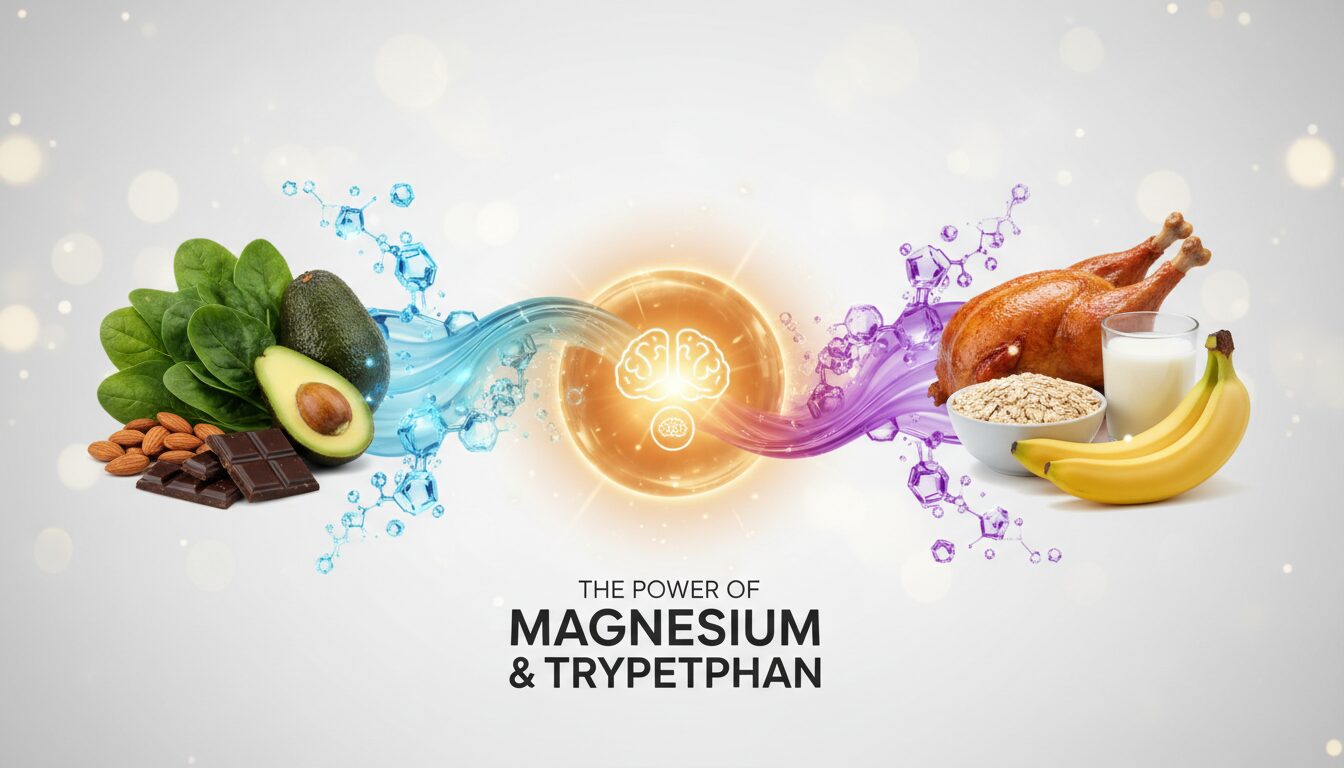
Optimizing the intake of magnesium and tryptophan requires a thorough understanding of their dietary sources and factors influencing their absorption and utilization.
Magnesium-Rich Foods
Dietary sources of magnesium are abundant, yet modern dietary patterns often fall short of recommended daily allowances. Excellent sources include:
- Leafy Green Vegetables: Spinach, kale, Swiss chard
- Nuts and Seeds: Almonds, cashews, pumpkin seeds, chia seeds, flaxseeds
- Legumes: Black beans, lentils, chickpeas
- Whole Grains: Brown rice, oats, whole wheat bread
- Avocado: A good source of healthy fats and magnesium
- Dark Chocolate: High in magnesium (and antioxidants)
- Fatty Fish: Salmon, mackerel
- Bananas: A modest but consistent source
- Poultry: Turkey, chicken
- Eggs: Especially the yolks
- Dairy Products: Milk, cheese (e.g., cheddar, mozzarella), yogurt
- Fish: Salmon, tuna, cod
- Nuts and Seeds: Pumpkin seeds, sunflower seeds, sesame seeds
- Legumes: Soybeans (tofu, tempeh), chickpeas, lentils
- Red Meat: Beef, pork
- Whole Grains: Oats
- Dietary Fiber: High fiber intake can reduce magnesium absorption, although this effect is generally minor with a balanced diet.
- Phytates and Oxalates: Found in nuts, seeds, and leafy greens, these compounds can bind to magnesium, forming insoluble complexes that reduce absorption. Soaking and sprouting can help mitigate this.
- Alcohol: Excessive alcohol consumption increases urinary magnesium excretion and can impair its absorption.
- Certain Medications: Proton pump inhibitors (PPIs), diuretics, and some antibiotics can deplete magnesium stores.
- Gastrointestinal Health: Conditions like Crohn’s disease, celiac disease, and chronic diarrhea can impair nutrient absorption.
- Vitamin D: Adequate vitamin D status is necessary for optimal magnesium absorption.
- Vitamin B6: Pyridoxal-5-phosphate (P5P), the active form of vitamin B6, is a crucial cofactor for the conversion of 5-HTP to serotonin and for various steps in the kynurenine pathway.
- Iron: High iron intake can potentially interfere with tryptophan absorption.
- Stress: Chronic stress can deplete magnesium and alter tryptophan metabolism.
- Aging: Older adults may experience reduced nutrient absorption and increased excretion, making them more susceptible to deficiencies.
- For Sleep: Magnesium glycinate (200-400 mg) combined with L-tryptophan (500-1000 mg) or 5-HTP (50-100 mg) taken 30-60 minutes before bedtime. The magnesium helps relax muscles and activate GABA, while tryptophan/5-HTP supports melatonin synthesis.
- For Mood and Anxiety: Magnesium glycinate (200-400 mg, divided doses) alongside L-tryptophan (500-1000 mg, divided doses) during the day. This provides sustained support for serotonin production and neuronal calm. If using 5-HTP for mood, lower doses (50-100 mg, divided) are usually recommended, and careful monitoring for side effects is critical.
- For Muscle Cramps/Athletic Recovery: Magnesium malate or citrate (300-600 mg daily) can be beneficial. Tryptophan’s role here is more indirect, aiding sleep for recovery.
- Serotonin Syndrome: The most serious concern with tryptophan or 5-HTP supplementation is the risk of serotonin syndrome, particularly when combined with SSRIs, SNRIs, MAOIs, tricyclic antidepressants, or other serotonergic drugs (e.g., St. John’s Wort). Symptoms can range from mild (agitation, confusion, rapid heart rate, muscle rigidity) to severe (high fever, seizures, unconsciousness). Never combine tryptophan or 5-HTP with these medications without strict medical supervision.
- Blood Thinners: High doses of magnesium may have a mild blood-thinning effect. Exercise caution if taking anticoagulant medications.
- Antibiotics: Some antibiotics (e.g., tetracyclines, quinolones) can chelate magnesium, reducing its absorption. Take magnesium supplements at least 2-4 hours apart from these medications.
- Kidney Disease: Individuals with impaired kidney function should exercise extreme caution with magnesium supplementation, as their bodies may not be able to excrete excess magnesium, leading to hypermagnesemia.
- Pregnancy and Lactation: While essential, supplementation during pregnancy and lactation should only be done under medical guidance.
- Red Blood Cell (RBC) Magnesium: This measures magnesium within red blood cells and is considered a better indicator of intracellular magnesium status than serum magnesium.
- Urinary Magnesium Excretion: A 24-hour urine collection can assess magnesium retention. Low urinary excretion in the presence of adequate intake suggests good retention, while high excretion might indicate renal wasting.
- Magnesium Loading Test: This involves administering a dose of magnesium intravenously or orally and measuring subsequent urinary excretion. Lower retention suggests a deficiency.
- Clinical Symptomatology: While non-specific, a constellation of symptoms (muscle cramps, fatigue, anxiety, insomnia, headaches) can point towards magnesium insufficiency, especially when dietary intake is suboptimal.
- Plasma Tryptophan Levels: While a direct measure, it reflects overall availability and doesn’t differentiate between serotonin synthesis or kynurenine pathway utilization.
- Plasma 5-HTP and Serotonin Levels: Can provide insights into the immediate precursors and the neurotransmitter itself. However, serotonin’s distribution is highly compartmentalized (gut vs. brain), and peripheral levels may not accurately reflect brain levels.
- Urinary Melatonin Metabolites: Measurement of 6-sulfatoxymelatonin (aMT6s) in urine can provide an indication of nocturnal melatonin production.
- Kynurenine Pathway Metabolites: Measuring the ratio of kynurenine to tryptophan (Kyn/Trp ratio) can be a marker of IDO activity and inflammation-induced tryptophan degradation. Elevated quinolinic acid or reduced kynurenic acid can indicate an imbalance in the neurotoxic/neuroprotective arms of the pathway.
- Vitamin B6 Status: Given its essential role as a cofactor in tryptophan metabolism, assessing vitamin B6 (pyridoxal-5-phosphate) status is also important.
- Mood Disturbances: Depression, anxiety, irritability, panic attacks.
- Sleep Disorders: Insomnia, difficulty falling asleep, frequent waking, non-restorative sleep.
- Cognitive Impairment: Poor concentration, memory issues.
- Appetite and Cravings: Increased carbohydrate cravings, appetite dysregulation.
- Pain Sensitization: Increased perception of pain, fibromyalgia-like symptoms.
- Nutrigenomics: Research will focus on identifying genetic variations (e.g., single nucleotide polymorphisms, SNPs) that influence an individual’s magnesium transport, metabolism, and requirements, or affect enzymes in the tryptophan pathways (e.g., TPH1, TPH2, IDO). This could lead to genetically tailored dietary and supplementation recommendations.
- Metabolomics: Advanced metabolomic profiling will enable the comprehensive analysis of magnesium and tryptophan metabolites in biological samples (blood, urine, CSF). This could provide a real-time snapshot of metabolic flux, identifying imbalances in serotonin vs. kynurenine pathways and guiding interventions with unprecedented precision.
- Microbiomics: Deeper insights into how individual gut microbiome composition and function impact tryptophan metabolism and magnesium absorption will lead to microbiome-targeted interventions, potentially using prebiotics, probiotics, or even fecal microbiota transplantation to optimize these pathways.
- Liposomal Encapsulation: Encapsulating magnesium salts or tryptophan in liposomes could improve absorption, protect against degradation in the GI tract, and enhance cellular uptake.
- Transdermal Magnesium: Further development of transdermal magnesium applications (e.g., gels, sprays) could offer an alternative route for systemic absorption, particularly for individuals with gastrointestinal sensitivities.
- Targeted Release Formulations: Designing supplements that release their active components at specific locations in the GI tract or with specific timings (e.g., sustained release) could optimize absorption and reduce side effects.
- Non-invasive Biomarkers: Research into non-invasive biomarkers for magnesium status, perhaps integrating wearable sensor data with advanced algorithms, could provide continuous monitoring capabilities.
- Neuroimaging: Functional neuroimaging techniques (e.g., fMRI, PET scans) combined with specific tracers could allow for the direct visualization of serotonin synthesis and receptor binding in the brain, offering a dynamic assessment of tryptophan’s impact.
- Point-of-Care Testing: Development of rapid, point-of-care tests for key magnesium and tryptophan metabolites could enable quicker clinical decisions and personalized adjustments.
- Magnesium and Tryptophan are Physiologically Essential: Magnesium is crucial for over 300 enzymatic reactions, energy production, and neuronal stability. Tryptophan is the sole precursor to serotonin and melatonin, impacting mood, sleep, and the stress response.
- Profound Biochemical Synergy: Magnesium acts as a vital cofactor for tryptophan hydroxylase, the rate-limiting enzyme in serotonin synthesis, directly linking magnesium status to neurochemical balance.
- Broad Spectrum of Health Benefits: Their combined optimal status significantly influences neurological health (anxiety, depression, sleep, migraine), gastrointestinal function (motility, gut-brain axis), cardiovascular health (blood pressure, arrhythmia), and metabolic regulation (insulin sensitivity, inflammation).
- Prevalence of Deficiency: Magnesium deficiency is common due to modern dietary patterns and physiological stressors. Tryptophan availability can be impacted by inflammatory states that divert its metabolism.
- Dietary Optimization is Key: Incorporating magnesium-rich foods (leafy greens, nuts, seeds, whole grains) and tryptophan-rich foods (poultry, dairy, eggs, legumes) is the foundational approach.
- Strategic Supplementation: When dietary intake is insufficient or specific conditions warrant, targeted supplementation with appropriate forms of magnesium (e.g., glycinate, threonate) and tryptophan/5-HTP can be beneficial, always under professional guidance.
- Caution with Interactions: Be critically aware of potential interactions, especially serotonin syndrome with tryptophan/5-HTP and certain medications. Individuals with kidney disease require careful monitoring for magnesium.
- Assessment Challenges: Traditional serum magnesium tests are often unreliable. RBC magnesium and clinical symptomatology offer better insights. Tryptophan status can be assessed via metabolite profiling.
- Future Directions: Personalized nutrition, ‘omics’ technologies, novel delivery systems, and advanced diagnostics are poised to revolutionize how we understand and optimize these vital biomolecules.
It is important to note that soil depletion and food processing can significantly reduce the magnesium content of foods. Organic and minimally processed foods tend to retain higher nutrient levels.
Tryptophan-Rich Foods
As an essential amino acid, tryptophan must be obtained from protein-rich foods. Good dietary sources include:
While foods contain tryptophan, its ability to cross the blood-brain barrier (BBB) and be converted into serotonin can be influenced by other amino acids. Tryptophan competes with other large neutral amino acids (LNAAs) for transport across the BBB. Consuming tryptophan-rich foods alongside carbohydrates can help facilitate its entry into the brain, as insulin release from carbohydrates promotes the uptake of competing LNAAs into peripheral muscles, leaving more tryptophan available for transport.
Factors Influencing Absorption and Utilization
Several factors can impact the bioavailability of both magnesium and tryptophan:
11. Supplementation Strategies and Considerations
Given the widespread prevalence of magnesium deficiency and the specific metabolic needs for tryptophan, supplementation can be a valuable strategy for many individuals. However, it requires careful consideration of forms, dosages, and potential interactions.
Forms of Magnesium: A Comparative Analysis
Not all magnesium supplements are created equal. Different forms vary significantly in their bioavailability and specific therapeutic uses.
Table 3: Common Magnesium Supplement Forms and Their Characteristics
| Magnesium Form | Bioavailability | Therapeutic Use / Key Feature | Potential Side Effects |
|---|---|---|---|
| Magnesium Citrate | High | Constipation, general magnesium deficiency, relaxation | Laxative effect, mild GI discomfort |
| Magnesium Glycinate | High | Sleep, anxiety, muscle cramps, highly absorbable, gentle | Generally well-tolerated |
| Magnesium Threonate | High | Cognitive function, brain health, crosses BBB | Mild GI discomfort |
| Magnesium Oxide | Low | Severe constipation (strong laxative), heartburn | Strong laxative effect |
| Magnesium Malate | Moderate | Energy production, muscle pain (fibromyalgia) | Mild GI discomfort |
| Magnesium L-Threonate | High | Neuroprotection, memory, learning (unique brain penetration) | None specific, generally safe |
| Magnesium Orotate | High | Cardiovascular health, athletic performance | Well-tolerated |
| Magnesium Taurate | High | Cardiovascular health, calming effect | Well-tolerated |
We recommend that you consult with a healthcare professional to determine the most appropriate form and dosage based on your individual needs and health goals.
Tryptophan and 5-HTP: Dosing and Safety
L-Tryptophan is typically dosed between 500 mg to 2000 mg per day, often taken before bedtime for sleep or divided doses for mood support. It is generally safe, but potential side effects include nausea, dizziness, and drowsiness. High doses or interactions with certain medications (e.g., SSRIs) can increase the risk of serotonin syndrome.
5-Hydroxytryptophan (5-HTP) is the direct precursor to serotonin, bypassing the rate-limiting TPH enzyme. Doses range from 50 mg to 300 mg per day. 5-HTP may be more effective for some individuals due to its direct conversion, but it also carries a higher risk of serotonin syndrome when combined with SSRIs or other serotonergic drugs. It is crucial to start with a low dose and titrate slowly. Due to the potential for gastrointestinal side effects (nausea, diarrhea), it is often recommended to take 5-HTP with food or in enteric-coated forms.
Synergistic Supplementation Protocols
When considering co-supplementation, the timing and forms are important:
Potential Interactions and Contraindications
12. Assessment of Deficiency and Clinical Monitoring
Accurate assessment of magnesium and tryptophan status presents unique challenges due to their distribution within the body and complex metabolic pathways.
Challenges in Magnesium Status Assessment
Despite its critical importance, assessing magnesium status is notoriously difficult. Serum magnesium levels, the most common test, are often poor indicators of total body magnesium stores because only about 1% of total body magnesium is found in the extracellular fluid. The body tightly regulates serum magnesium, and even with significant tissue depletion, serum levels can appear normal.
More accurate assessment methods include:
We strongly advise that you work with a healthcare provider who understands the nuances of magnesium testing for accurate diagnosis and management.
Tryptophan Metabolite Profiling
Assessing tryptophan status involves evaluating not only circulating tryptophan levels but also its various metabolites, given the divergence into different pathways.
These advanced diagnostic approaches are typically utilized in research settings or by specialized clinicians for a more comprehensive understanding of tryptophan dynamics.
Clinical Symptomatology
Just like with magnesium, a careful assessment of clinical symptoms is paramount. Symptoms related to tryptophan deficiency or dysregulated metabolism often overlap with those of magnesium deficiency, reinforcing their synergistic nature:
A detailed clinical history, dietary assessment, and evaluation of lifestyle factors are indispensable for identifying potential deficiencies and guiding appropriate interventions.
13. Future Research Directions and Emerging Therapies
As our understanding of magnesium and tryptophan deepens, new avenues for research and therapeutic innovation continue to emerge, promising more targeted and personalized interventions.
Personalized Nutrition and Omics Technologies
The future of optimizing magnesium and tryptophan status lies increasingly in personalized nutrition, driven by advancements in ‘omics’ technologies.
Novel Delivery Systems
Current supplementation often faces challenges related to bioavailability, stability, and patient compliance. Future research will explore novel delivery systems to enhance the efficacy of magnesium and tryptophan.
Advanced Diagnostic Modalities
Beyond current methods, the development of more accessible and accurate diagnostic tools will be crucial.
These emerging research areas signify a shift towards a more integrated, personalized, and technologically advanced approach to leveraging the power of magnesium and tryptophan for human health.
14. Key Takeaways
15. Frequently Asked Questions
Q1: Can I get enough magnesium and tryptophan from diet alone?
A1: While a balanced diet rich in whole, unprocessed foods can provide significant amounts of both magnesium and tryptophan, many individuals, particularly in the United States, do not meet recommended daily allowances for magnesium. Factors like soil depletion, food processing, stress, and certain medical conditions can further compromise intake and absorption. For tryptophan, competition with other amino acids for blood-brain barrier transport can limit its effectiveness from food sources alone for some individuals. Therefore, supplementation may be necessary for optimal levels, especially for specific health concerns.
Q2: What are the warning signs of magnesium deficiency?
A2: Magnesium deficiency symptoms can be varied and non-specific, making diagnosis challenging. Common signs include muscle cramps, spasms, fatigue, weakness, anxiety, irritability, difficulty sleeping (insomnia), headaches (including migraines), restless leg syndrome, and even abnormal heart rhythms. If you experience a combination of these symptoms, it is advisable to consult a healthcare professional.
Q3: Is it safe to take magnesium and tryptophan supplements together?
A3: Yes, generally it is safe and often beneficial to take magnesium and tryptophan (or 5-HTP) together, given their synergistic roles. Magnesium facilitates the conversion of tryptophan to serotonin, and both contribute to relaxation and improved sleep. However, it is crucial to consult with your doctor, especially if you are taking any medications, particularly antidepressants (SSRIs, SNRIs, MAOIs), due to the risk of serotonin syndrome.
Q4: How long does it take to see benefits from magnesium and tryptophan supplementation?
A4: The time frame for experiencing benefits can vary significantly among individuals, depending on the severity of the deficiency, the specific health concern, and the form and dosage of supplements used. For acute symptoms like muscle cramps or occasional sleeplessness, benefits may be noticed within days. For chronic conditions like anxiety, depression, or chronic insomnia, it may take several weeks to a few months of consistent supplementation to observe significant improvements.
Q5: What is serotonin syndrome and how can I avoid it when using tryptophan/5-HTP?
A5: Serotonin syndrome is a potentially life-threatening condition caused by excessive serotonin activity in the brain. Symptoms can range from mild (agitation, confusion, sweating, muscle rigidity) to severe (high fever, seizures, unconsciousness). To avoid it, never combine tryptophan or 5-HTP with prescription antidepressants (SSRIs, SNRIs, MAOIs) or other drugs that increase serotonin (e.g., St. John’s Wort) without strict medical supervision. Always disclose all supplements and medications to your healthcare provider. Start with low doses and increase gradually, and discontinue use immediately if any symptoms of serotonin syndrome occur.
Q6: Are there any specific times of day to take magnesium or tryptophan?
A6: For magnesium, taking it in divided doses throughout the day can improve absorption and reduce potential laxative effects, especially for larger doses. Many individuals find taking a portion of their magnesium in the evening beneficial for sleep and muscle relaxation. For tryptophan or 5-HTP, taking it 30-60 minutes before bedtime is common for sleep support. If used for mood, divided doses during the day might be considered, but always be mindful of potential drowsiness, particularly with 5-HTP.
Q7: Can magnesium and tryptophan help with chronic fatigue?
A7: Chronic fatigue is a complex condition with multiple potential causes. Magnesium deficiency can contribute to fatigue due to its role in ATP production. Tryptophan, through its impact on sleep and mood, can indirectly alleviate fatigue associated with poor sleep or depression. While they may offer supportive benefits, it is crucial to work with a healthcare professional to identify the root cause of chronic fatigue and develop a comprehensive treatment plan, as these supplements are not a standalone cure.
16. Conclusion
The profound and synergistic relationship between magnesium and tryptophan represents a cornerstone in our understanding of human physiology and well-being. From the intricate enzymatic reactions that sustain life to the complex regulation of mood, sleep, and cardiovascular health, these two biomolecules are indispensable. As we navigate the evolving landscape of health and nutrition in 2026, the scientific evidence consistently reinforces their individual and combined importance.
Magnesium, an often-overlooked mineral, is the silent orchestrator of countless cellular processes, including the very conversion of tryptophan into its neuroactive derivatives. Its ability to calm the nervous system, stabilize cardiac rhythm, and support metabolic efficiency makes it a foundational element of health. Tryptophan, the essential amino acid, then leverages this magnesium-rich environment to produce the critical neurotransmitters serotonin and melatonin, thereby exerting its profound influence on psychological stability and circadian regulation.
The prevalence of magnesium insufficiency in modern populations, coupled with dietary and lifestyle factors that can disrupt tryptophan metabolism, underscores the necessity of a conscious approach to their intake. While dietary sources form the bedrock of optimal nutrition, strategic supplementation, guided by personalized assessment and professional advice, can bridge critical gaps and provide targeted therapeutic benefits.
Moving forward, the integration of advanced ‘omics’ technologies, personalized nutrition strategies, and novel delivery systems promises an even more precise and effective utilization of magnesium and tryptophan. This comprehensive understanding empowers individuals and healthcare professionals to leverage this powerful synergy, fostering resilience against chronic diseases and promoting an elevated state of health and vitality. By honoring the intricate biochemical dance between magnesium and tryptophan, we unlock a formidable potential for enhancing the human experience.