
⚡ Quick Summary
- The Core Issue: Understanding the fundamentals is key to fixing sleep.
- The Solution: Applied science and consistency outperform expensive gadgets.
- Bottom Line: Read below for the detailed breakdown.
Key Takeaways
- Summary: Deep sleep, or slow-wave sleep (SWS), is the most restorative stage of sleep. It is essential for physical recovery, memory…
- Action: Read below for the full scientific breakdown.
Deep sleep, or slow-wave sleep (SWS), is the most restorative stage of sleep. It is essential for physical recovery, memory consolidation, and immune system health. This guide explores exactly what happens during deep sleep and proven strategies to get more of it.
Understanding Sleep Architecture
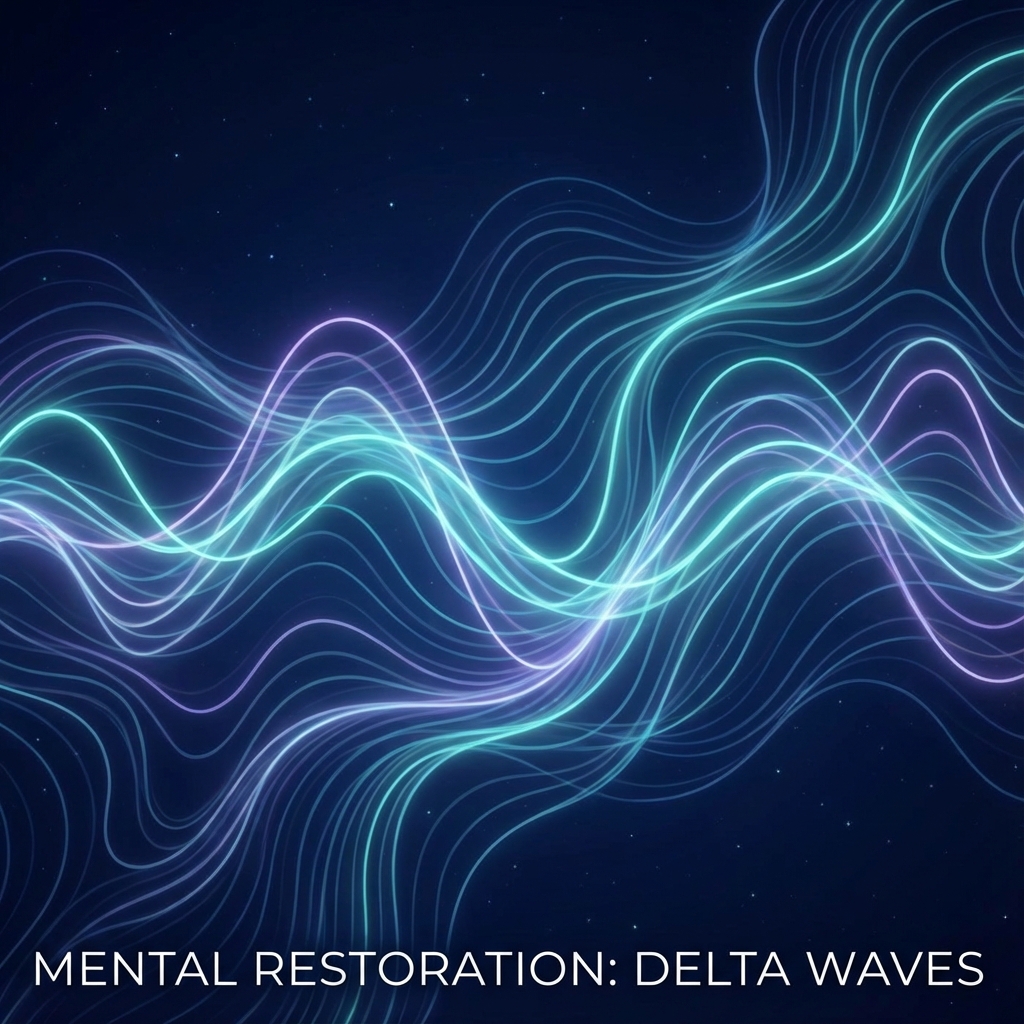
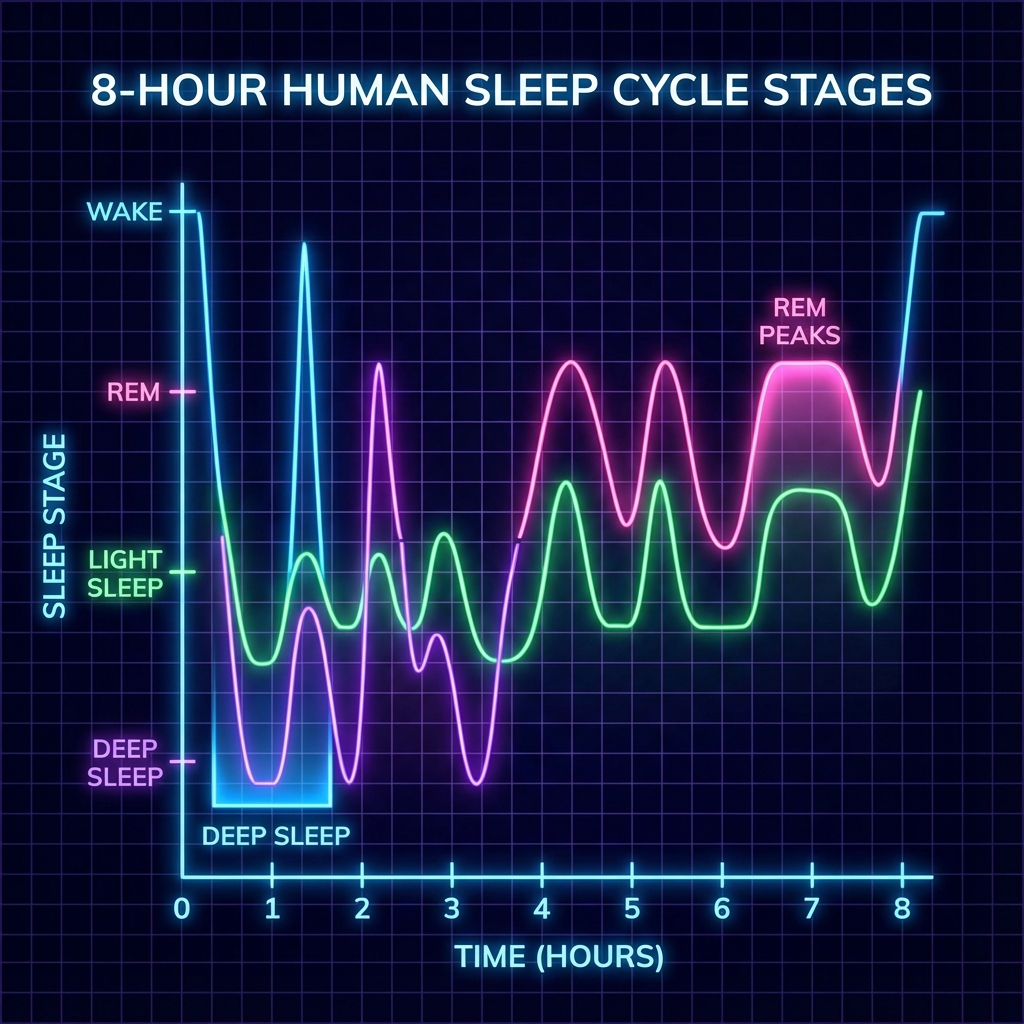
Sleep is divided into Non-REM (Stages 1, 2, 3) and REM sleep. Stage 3 is deep sleep, where brain waves slow down to delta waves. This is when tissue repair, muscle growth, and growth hormone release occur.
💡 Pro Tip: The 90-Minute Rule
Sleep cycles last approximately 90 minutes. If you need to set an alarm, calculate backwards in 90-minute increments (e.g., 7.5 hours or 9 hours) to wake up at the end of a cycle, not during deep sleep. This prevents grogginess.
Signs You Are Not Getting Enough Deep Sleep
If you wake up feeling unrefreshed, experience brain fog, or have slow muscle recovery after workouts, you might be lacking deep sleep. Unlike REM sleep, which fuels the mind, deep sleep fuels the body.
Actionable Steps to Boost SWS
Exercise regularly but not too close to bedtime. Keep your bedroom cool (around 65°F or 18°C). Avoid alcohol before bed, as it fragments sleep cycle and significantly reduces deep sleep duration.
Final Thoughts
Improving your sleep is a journey. Start with one small change from this guide and monitor how you feel over the next week.
Read Next: Best Cooling Sheets for Hot Sleepers
How much deep sleep do I need?
Can you get too much deep sleep?
Step-by-Step Implementation
1. Start Small: Do not try to overhaul your routine in one night.
2. Track Progress: Use a journal to note how you feel each morning.
3. Adjust: If you do not see results in 7 days, tweak one variable at a time (light, temperature, or timing).
Expert Tip
Most people fail because they give up too soon. Neural pathways take time to adapt to new sleep associations. Consistency is your most powerful tool.