
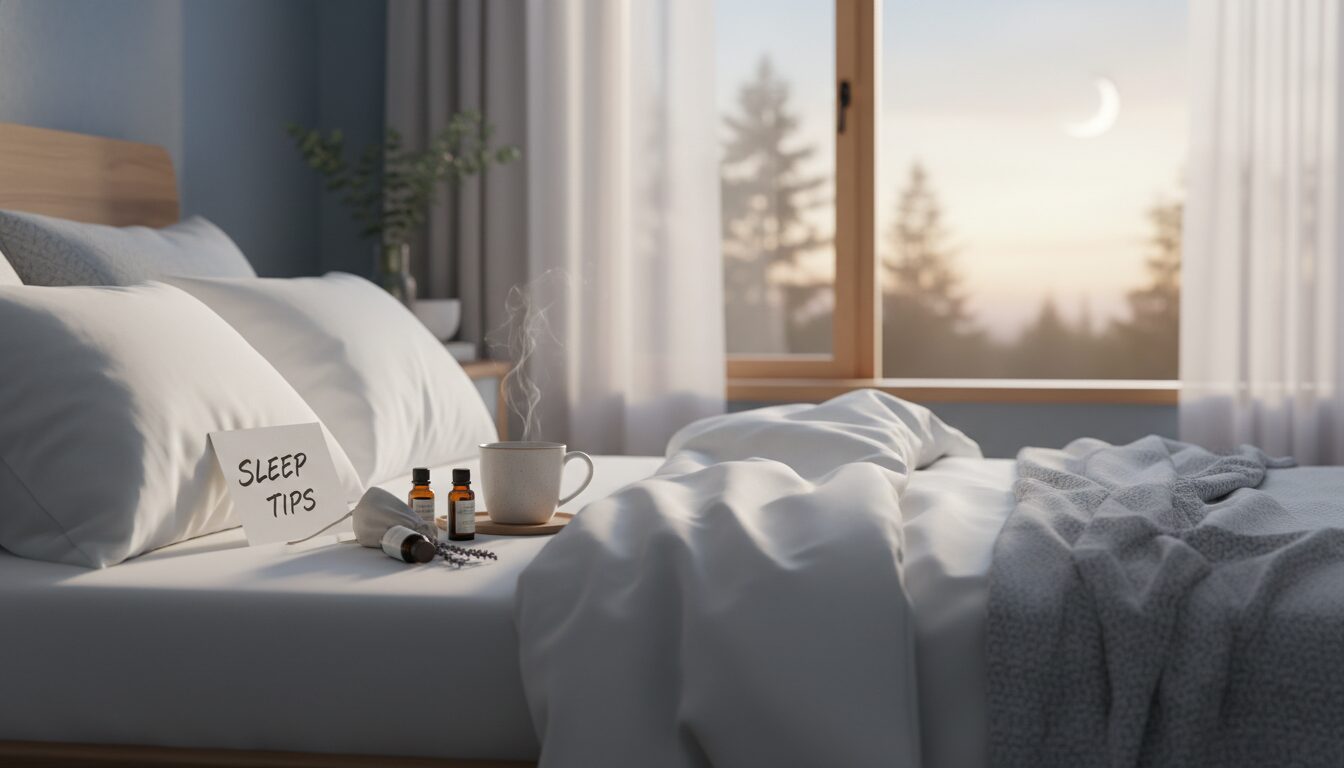
In the year 2026, the pace of life has reached an unprecedented velocity. With the integration of augmented reality into our daily workspaces and the constant stream of information from AI-driven personal assistants, the human brain is processing more data than at any other point in history. While these technological advancements have increased our productivity and connectivity, they have also created a significant challenge: a global sleep crisis. You may find yourself lying awake at 2:00 AM, your mind racing with the next day’s tasks, or perhaps you wake up feeling as though you never truly rested. This is not merely an inconvenience; it is a physiological emergency.
Sleep is the cornerstone of human health, serving as the period when your body repairs tissue, consolidates memories, and flushes metabolic waste from the brain. When you deprive yourself of this essential recovery time, you are not just “tired.” You are operating with impaired cognitive function, a weakened immune system, and an increased risk for chronic conditions such as cardiovascular disease and metabolic syndrome. The modern world demands a lot from you, but you cannot meet those demands if your internal battery is perpetually depleted.
This comprehensive guide is designed to help you navigate the complexities of modern rest. We will explore the science behind your biological clock, identify the environmental factors that are sabotaging your slumber, and provide you with a step-by-step roadmap to achieving the deep, restorative sleep you deserve. By the end of this article, you will have the tools and knowledge necessary to transform your bedroom into a sanctuary of recovery and your nights into a powerful engine for your daily success. It is time to stop viewing sleep as a luxury and start treating it as the vital biological necessity it truly is.
Table of Contents
- The Modern Sleep Crisis: Understanding the Problem
- Decoding Your Circadian Rhythm: The Internal Clock
- The Anatomy of a Perfect Sleep Environment
- The Digital Sunset: Managing Light and Technology
- Nutritional Strategies for Enhanced Recovery
- Psychological Foundations: Managing the Racing Mind
- The Science of Strategic Napping
- Advanced Biofeedback and Wearable Monitoring
- Recognizing and Addressing Sleep Disorders
- The Long-Term Blueprint for Sleep Consistency
- Frequently Asked Questions (FAQ)
- Key Takeaways
- Larks: Peak energy in the early morning; early to bed.
- Owls: Peak energy in the late evening; struggle with early starts.
- Dolphins: Light sleepers who often struggle with insomnia.
- Reading a physical, non-backlit book.
- Gentle stretching or restorative yoga.
- Journaling to “download” your thoughts for the next day.
- Inhale for 4 seconds.
- Hold the breath for 4 seconds.
- Exhale for 4 seconds.
- Hold empty for 4 seconds.
- Lowering the house lights.
- Setting the thermostat.
- Taking a warm shower (which actually helps cool the core body temperature afterward).
- Five minutes of gratitude journaling.
1. The Modern Sleep Crisis: Understanding the Problem
The transition into 2026 has brought about a paradigm shift in how we perceive work-life balance, but it has also blurred the lines between our professional and personal lives. The “Always-On” culture, facilitated by instant communication and global markets, means that your nervous system is often in a state of high alert long after the sun has set. This chronic state of hyper-arousal is the primary driver behind the current sleep epidemic.
When you fail to secure seven to nine hours of quality sleep, the impacts are immediate and compounding. Research in 2025 showed that even a single night of restricted sleep (less than five hours) can reduce your reaction time to a level equivalent to legal alcohol intoxication. Furthermore, the “glymphatic system”—the brain’s waste clearance mechanism—only functions at full capacity during deep sleep. Without this cleaning process, toxic proteins can accumulate, leading to long-term cognitive decline.
| Impact Category | Short-Term Consequences | Long-Term Risks |
|---|---|---|
| Cognitive | Reduced focus, memory lapses, irritability | Increased risk of dementia and Alzheimer’s |
| Physical | Slowed recovery, weakened immunity, hunger | Obesity, Type 2 diabetes, Heart disease |
| Emotional | High stress, anxiety, mood swings | Chronic depression, burnout syndrome |
We recommend that you view sleep deprivation not as a badge of honor, but as a biological debt. Just as you cannot run a high-performance vehicle on an empty tank, you cannot expect your brain to perform complex 2026-level tasks without the requisite “down-time.”
2. Decoding Your Circadian Rhythm: The Internal Clock
Every cell in your body operates on a roughly 24-hour cycle known as the circadian rhythm. This internal clock is primarily governed by the suprachiasmatic nucleus (SCN) in your brain, which responds to light signals from your environment. In the natural world, this was simple: the sun came up, you woke up; the sun went down, you slept. In our current era, however, artificial lighting and indoor lifestyles have “de-synced” our internal clocks.
The Role of Morning Sunlight
To fix your sleep, you must first look at your morning. When you expose your eyes to natural sunlight within the first 30 minutes of waking, you trigger a surge of cortisol—the “alertness” hormone—and set a timer for the release of melatonin approximately 14 to 16 hours later. We suggest that you spend at least 10 minutes outdoors every morning, even on cloudy days.
Chronotypes: Finding Your Natural Flow
Not everyone is a “morning lark.” In 2026, sleep science has moved toward personalized schedules based on your “chronotype”—your genetic predisposition for certain wake and sleep times.
Identifying your type allows you to align your most demanding tasks with your highest energy windows, reducing the stress that leads to poor sleep at night.
3. The Anatomy of a Perfect Sleep Environment
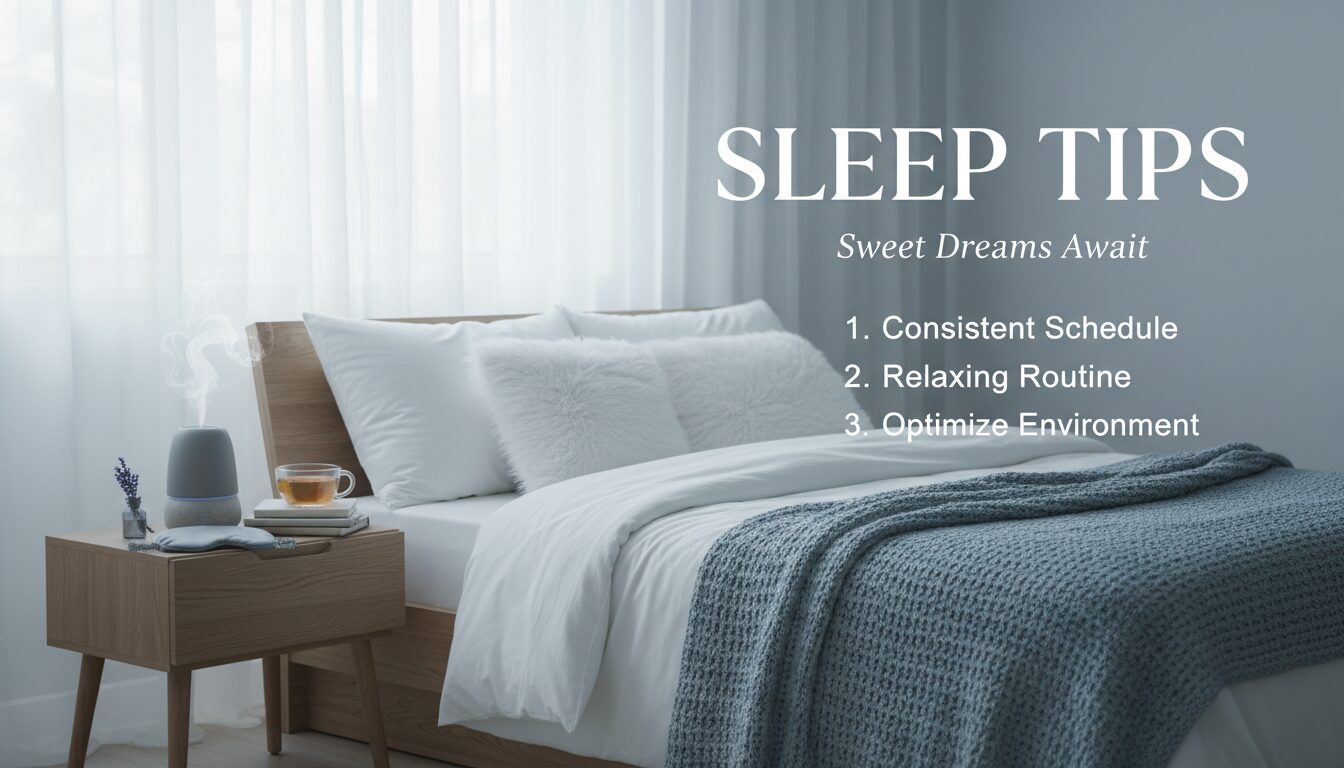
Your bedroom should serve one primary purpose: rest. Many individuals treat their sleeping quarters as an auxiliary office or entertainment hub, which creates a psychological association between the bed and stimulation. To optimize your environment, you must address three critical pillars: Temperature, Light, and Sound.
Temperature Regulation
The human body needs to drop its core temperature by about two to three degrees Fahrenheit to initiate sleep. Most sleep experts recommend keeping your bedroom between 65°F and 68°F (18°C to 20°C). If you live in a climate where this is difficult to maintain, consider using cooling mattress toppers or “smart” linens that wick away moisture and regulate heat dynamically.
Total Darkness
Even the smallest amount of light—a standby LED on a television or a streetlamp through the curtains—can penetrate your eyelids and signal to your brain that it is time to wake up. We recommend using blackout curtains and covering any electronic lights. If you cannot control the light in your room, a high-quality weighted silk eye mask is an excellent investment.
Acoustic Control
While some people prefer total silence, others find that “pink noise” or “brown noise” helps mask the unpredictable sounds of a city. Unlike white noise, which can be harsh, brown noise utilizes lower frequencies that mimic the sound of a distant thunderstorm or a deep ocean, which many find more soothing for long-term sleep maintenance.
4. The Digital Sunset: Managing Light and Technology
The most significant disruptor of modern sleep is the blue light emitted by our screens. Whether it is your smartphone, tablet, or VR headset, this short-wavelength light suppresses the production of melatonin more effectively than almost any other source.
The 90-Minute Rule
We recommend implementing a “Digital Sunset” at least 90 minutes before you intend to sleep. During this time, you should power down all primary screens. If you must use a device for work or communication, utilize “Night Mode” settings or wear blue-light-blocking glasses. However, be aware that it is not just the light that keeps you awake; it is the content.
The Dopamine Loop
Engaging with social media or news feeds triggers dopamine release, keeping your brain in an “active search” mode. This makes it incredibly difficult to transition into the parasympathetic nervous system state required for rest. Instead of scrolling, try engaging in low-stimulation activities such as:
5. Nutritional Strategies for Enhanced Recovery
What you consume throughout the day has a direct impact on the quality of your night. Most people are aware of caffeine, but the nuances of its metabolism are often overlooked. Caffeine has a half-life of about five to six hours. This means if you have a large cup of coffee at 4:00 PM, half of that caffeine is still circulating in your system at 10:00 PM, preventing you from reaching deep sleep stages.
Magnesium: The Relaxation Mineral
In 2026, nutritional studies have highlighted a widespread magnesium deficiency in the American population. Magnesium plays a vital role in activating the parasympathetic nervous system. We suggest incorporating magnesium-rich foods into your dinner or discussing a high-quality magnesium glycinate supplement with your healthcare provider.
| Nutrient | Benefit for Sleep | Common Sources |
|---|---|---|
| Magnesium | Relaxes muscles and reduces cortisol | Spinach, pumpkin seeds, almonds |
| Tryptophan | Precursor to serotonin and melatonin | Turkey, eggs, cheese, oats |
| Omega-3s | Reduces inflammation that disrupts rest | Salmon, walnuts, chia seeds |
| Potassium | Helps maintain sleep throughout the night | Bananas, sweet potatoes, avocados |
Alcohol and the Sleep Paradox
While alcohol may help you fall asleep faster because of its sedative effects, it is one of the greatest enemies of quality sleep. It significantly disrupts REM (Rapid Eye Movement) cycles, leading to fragmented rest and a “rebound effect” that causes you to wake up in the middle of the night. We recommend avoiding alcohol at least three to four hours before bedtime.
6. Psychological Foundations: Managing the Racing Mind
For many professionals, the physical body is tired, but the mind remains hyper-active. This “tired but wired” state is often a result of unresolved stress or “anticipatory anxiety” about the following day.
The “Brain Dump” Technique
If you find yourself worrying about tasks while in bed, we recommend keeping a notebook on your nightstand. Before you lie down, write out every single thing you need to do or are worried about. By externalizing these thoughts, you signal to your brain that the information is “saved” and does not need to be actively processed during the night.
Box Breathing for Nervous System Regulation
To shift from a state of “fight or flight” to “rest and digest,” you can use simple breathing techniques. One of the most effective is Box Breathing:
Repeat this cycle four to five times. This rhythmic breathing sends a direct signal to your vagus nerve to slow down your heart rate and lower your blood pressure.
7. The Science of Strategic Napping
In the high-pressure environment of 2026, many corporate cultures have begun to embrace the “Power Nap” as a tool for cognitive longevity. However, napping is a double-edged sword. If done incorrectly, it can leave you feeling groggy (sleep inertia) or ruin your ability to fall asleep at night.
The 26-Minute Rule
A famous study by NASA found that a 26-minute nap improved pilot performance by 34% and alertness by 54%. The key is to keep the nap under 30 minutes to avoid entering deep sleep. If you enter deep sleep and are woken up in the middle of it, you will experience the heavy, disoriented feeling known as sleep inertia.
The 90-Minute Full Cycle
If you are severely sleep-deprived, a full 90-minute nap may be more beneficial. This allows your body to complete one full sleep cycle, including REM and deep sleep. However, we recommend that you do not take these long naps after 3:00 PM, as they will reduce your “sleep pressure” (the biological hunger for sleep) and make it harder to fall asleep during your primary night-time window.
8. Advanced Biofeedback and Wearable Monitoring
By 2026, wearable technology has evolved far beyond simple step counting. Modern smart rings and bio-sensors provide laboratory-grade data on your heart rate variability (HRV), blood oxygen levels, and respiratory rate.
Using Data Responsibly
We recommend using these tools to identify patterns rather than obsessing over daily scores. For instance, you might notice that your “Restoration Score” drops significantly on nights when you eat a heavy meal late. Use this data as a feedback loop to refine your habits.
“Data is the map, but your body is the terrain. If the device says you slept well but you feel exhausted, trust your body first. Use wearables to confirm what your intuition is already telling you.” — Dr. Elena Vance, Sleep Physiology Expert (2026)
Respiratory Rate as an Early Warning
One of the most valuable metrics provided by modern wearables is your resting respiratory rate. A sudden spike in breaths per minute during sleep is often an early indicator that your body is fighting off an illness or that you are severely over-trained. This allows you to adjust your schedule before you reach a state of total burnout.
9. Recognizing and Addressing Sleep Disorders
Sometimes, no amount of sleep hygiene can fix an underlying medical issue. It is crucial to recognize when your fatigue is a symptom of something that requires professional intervention.
Obstructive Sleep Apnea (OSA)
OSA occurs when the muscles in the throat relax excessively, blocking the airway. If you are told that you snore loudly or if you wake up gasping for air, you may have apnea. This condition prevents you from ever reaching the deep stages of sleep, regardless of how many hours you spend in bed. Modern treatments in 2026 include silent CPAP machines and even implantable nerve stimulators that keep the airway open.
Restless Leg Syndrome (RLS)
This is a nervous system disorder that creates an irresistible urge to move your legs, usually in the evening. It is often linked to iron deficiencies or dopamine imbalances. If you experience this, we recommend seeking a blood panel to check your ferritin levels.
| Disorder | Primary Symptom | Modern Treatment (2026) |
|---|---|---|
| Insomnia | Difficulty falling or staying asleep | CBT-I (Cognitive Behavioral Therapy) |
| Sleep Apnea | Snoring, daytime sleepiness, gasping | Adaptive PAP, Oral appliances, Position therapy |
| Narcolepsy | Sudden “sleep attacks” during the day | Targeted neuro-stimulants, scheduled naps |
| Circadian Shift | Sleeping at “wrong” times (e.g., night shift) | Light therapy, micro-dosed melatonin |
10. The Long-Term Blueprint for Sleep Consistency
The final and most important step in your sleep journey is consistency. Your body thrives on predictability. If you wake up at 6:00 AM on weekdays but sleep in until 11:00 AM on weekends, you are effectively giving yourself “social jetlag.” This confuses your internal clock and makes Monday mornings much more difficult than they need to be.
The “Anchor” Wake Time
We recommend that you choose a “Daily Anchor”—a wake-up time that you stick to seven days a week, within a 30-minute margin. Even if you had a late night, waking up at your anchor time helps preserve your circadian rhythm for the following night. You can always take a strategic 20-minute nap later in the day to compensate for the lost hours.
Building a Ritual
Create a pre-sleep routine that acts as a signal to your brain. This could be as simple as:
When you perform these steps in the same order every night, you develop a “Pavlovian” response where your brain begins to produce melatonin the moment you start the ritual.
Key Takeaways Box
Frequently Asked Questions (FAQ)
Q: Is it okay to use melatonin supplements every night?
A: While melatonin is helpful for jetlag or short-term shift work, we do not recommend using it as a long-term crutch. Your body naturally produces melatonin, and over-supplementation can sometimes lead to your brain becoming less sensitive to the hormone. Always consult with a professional for personalized dosages.
Q: Can I “catch up” on sleep over the weekend?
A: Not effectively. While sleeping extra on Saturday can help with immediate fatigue, it does not reverse the metabolic or cognitive damage caused by a week of sleep deprivation. Consistency is far more valuable than “binge-sleeping.”
Q: How do I know if I’m getting enough deep sleep?
A: If you wake up without an alarm, feel refreshed within 30 minutes of rising, and don’t experience a massive energy crash at 2:00 PM, you are likely getting sufficient deep sleep. Wearable data can provide more specific insights into your sleep stages.
Q: Does exercise help with sleep?
A: Absolutely. Regular physical activity increases the “sleep drive” and helps you fall asleep faster. However, we recommend avoiding high-intensity workouts within two to three hours of bedtime, as the resulting spike in body temperature and adrenaline can keep you awake.
Q: Why do I wake up at 3:00 AM every night?
A: This is often related to a blood sugar drop or a spike in cortisol. If your last meal was very high in sugar or if you consumed alcohol, your body may experience a “rebound” effect that wakes you up. Stress management and a balanced evening snack (like a few walnuts) can often help.
Q: Are “Smart Beds” worth the investment in 2026?
A: For individuals with temperature regulation issues or couples with different firmness preferences, modern smart beds can be game-changers. They provide real-time adjustments that can prevent you from waking up due to physical discomfort.
Statistics to Consider
Conclusion
As we navigate the complexities of 2026, it is easy to view sleep as an obstacle to our goals—a necessary “interruption” in an otherwise productive life. However, the science is clear: sleep is not the absence of productivity; it is the foundation of it. By understanding your circadian rhythm, optimizing your environment, and respecting the biological requirements of your brain and body, you are not just sleeping better; you are living better.
We recommend that you start small. You do not need to overhaul your entire life tonight. Choose one or two strategies from this guide—perhaps setting a Digital Sunset or establishing a consistent wake-up time—and practice them for two weeks. You will likely find that the clarity, energy, and emotional stability you gain are worth far more than the hour of scrolling you gave up. Your health is your most valuable asset, and a good night’s sleep is the best investment you can make in your future self. Sweet dreams.