
The Unique Challenges of Sleeping in the Sky
Sleeping while soaring at 35,000 feet presents a unique set of hurdles that our bodies aren’t naturally equipped to handle. Understanding the science behind these challenges is the first step toward overcoming them.
Circadian Rhythm Disruption & Jet Lag
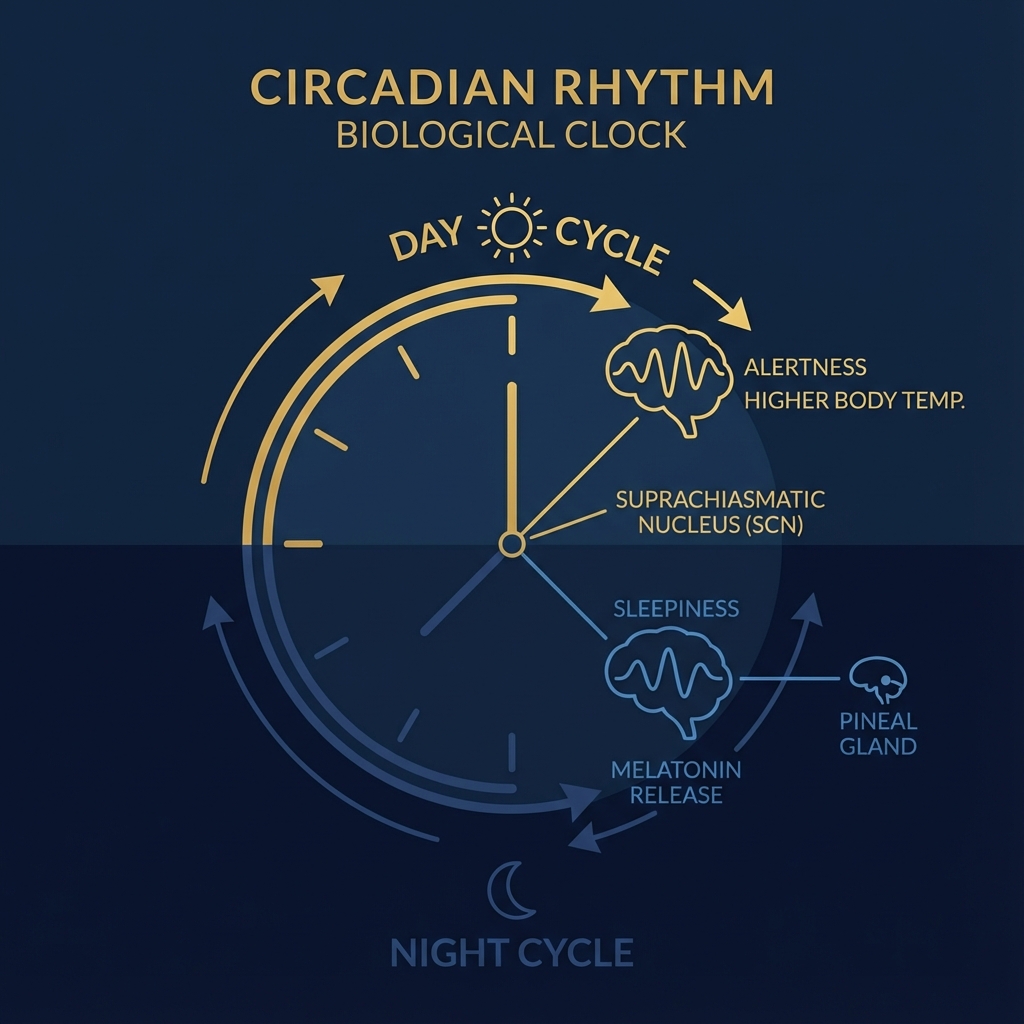
Our internal body clock, or circadian rhythm, is primarily regulated by light and darkness, influencing the release of sleep-inducing hormones like melatonin. Rapid travel across multiple time zones quickly throws this system out of sync, leading to jet lag – a profound misalignment between our internal clock and the local time. This means your body might think it’s midnight when it’s broad daylight, making sleep difficult or impossible.
Environmental Factors: Noise, Light, and Temperature
Airplane cabins are rarely conducive to restful sleep. Constant engine hum, chatter from fellow passengers, flight attendant announcements, and galley sounds create a cacophony that disrupts sleep cycles. Overhead lights, screen glare, and sunlight streaming through windows interfere with melatonin production. Furthermore, the cabin temperature can fluctuate wildly, often making it too cold for comfortable sleep without proper layering.
Cabin Pressure and Hydration
At cruising altitude, the cabin is pressurized to simulate an altitude of 6,000 to 8,000 feet. This lower atmospheric pressure can slightly reduce oxygen saturation in the blood, potentially impacting sleep quality. Additionally, the dry cabin air can lead to dehydration, which exacerbates fatigue and discomfort, making it harder to fall and stay asleep.
Science-Backed Strategies for Better Airplane Sleep
While the odds might seem stacked against you, several evidence-based strategies can significantly improve your chances of getting quality rest during a flight.
Pre-Flight Preparations
- Adjust Your Schedule: A few days before your flight, gradually shift your sleep schedule closer to your destination’s time zone. Even small adjustments can help ease the transition.
- Pack Smart: Your carry-on should be a sleep sanctuary kit. Include a high-quality neck pillow, an effective eye mask, and earplugs or noise-cancelling headphones.
- Choose Your Seat Wisely: A window seat offers the advantage of leaning against the wall and controlling your window shade. Seats away from galleys and lavatories minimize noise and foot traffic.
In-Flight Essentials & Habits
- Stay Hydrated: Drink plenty of water throughout your flight, but avoid excessive liquids right before attempting to sleep. Dehydration compounds fatigue.
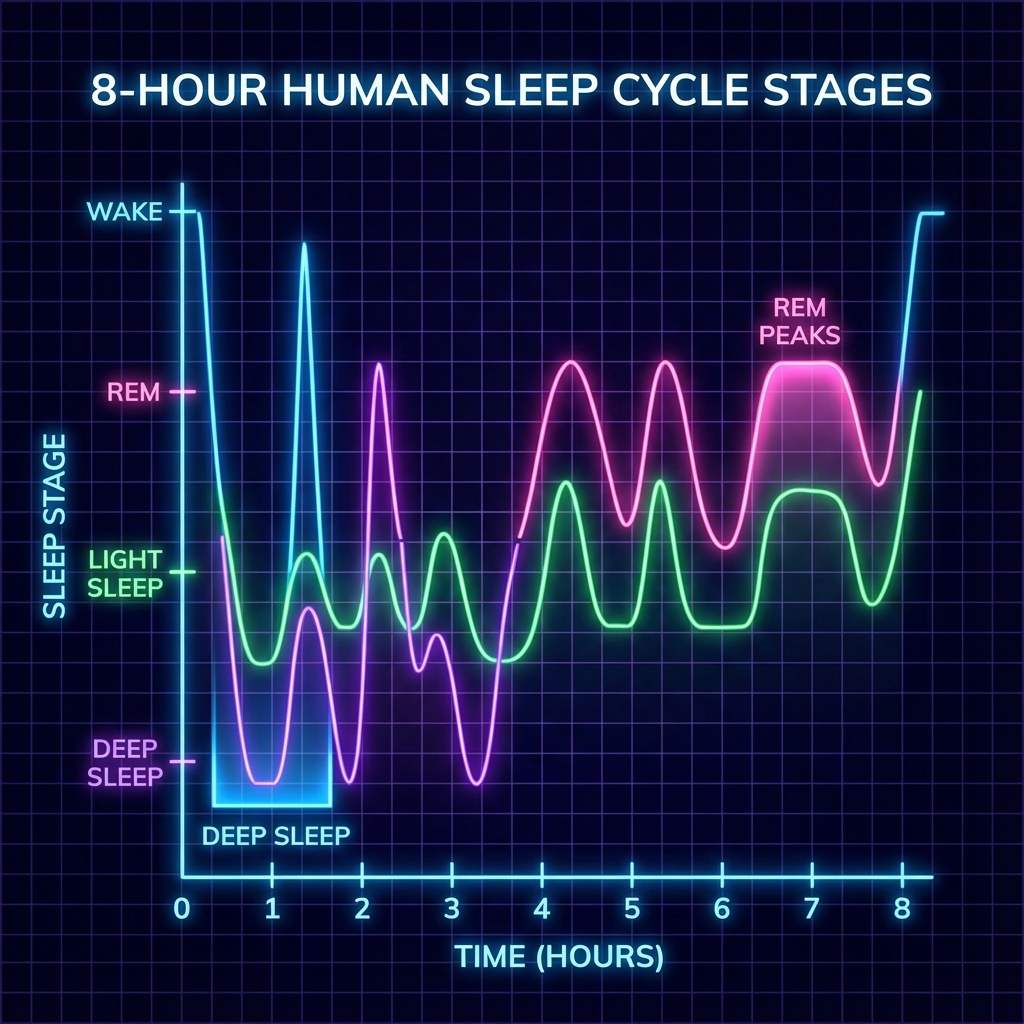
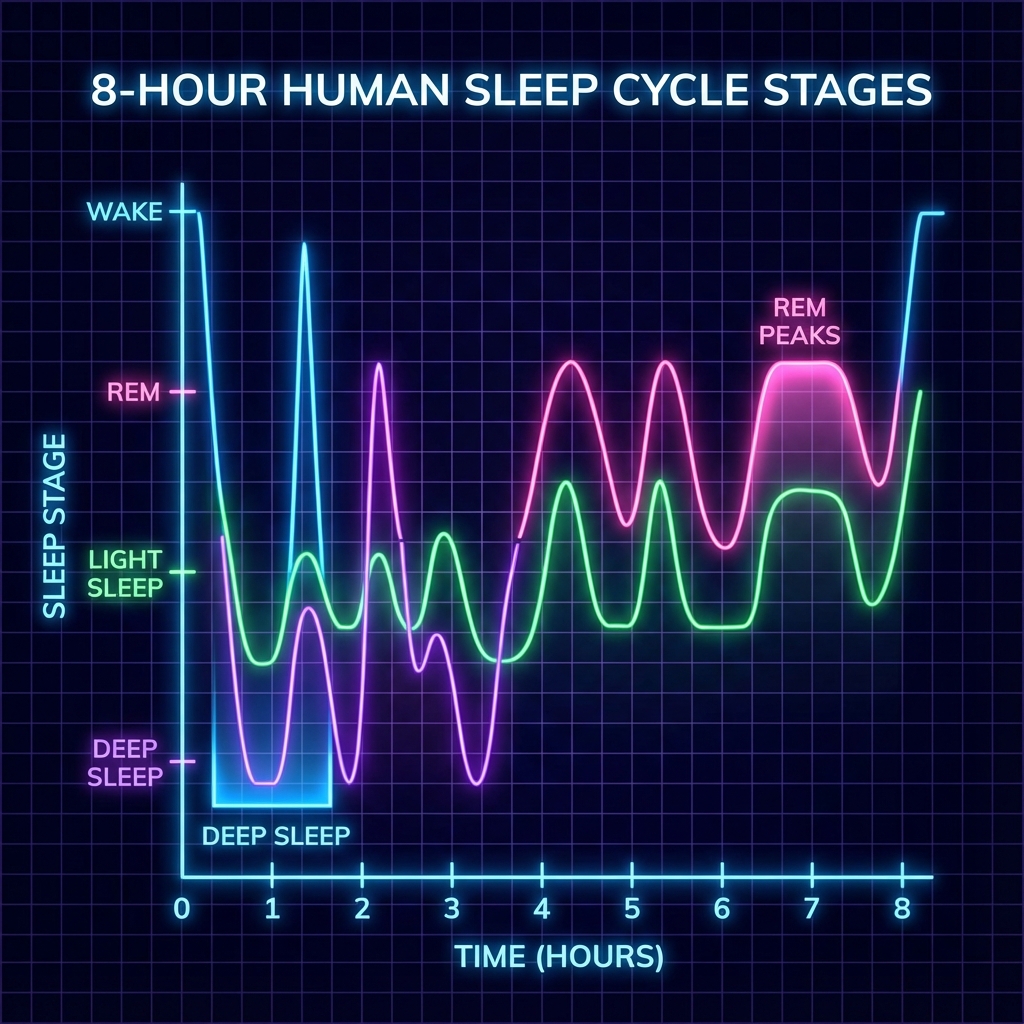
- Avoid Stimulants & Depressants: Skip caffeine and alcohol. While alcohol might initially make you feel drowsy, it disrupts sleep architecture, leading to fragmented and less restorative rest.
- Light Meals: Opt for light, easily digestible meals before and during your flight. Heavy meals can make your digestive system work overtime, hindering sleep.
- Comfortable Clothing: Wear loose-fitting, breathable layers. This allows you to adjust to cabin temperature fluctuations.
- Create a Sleep Ritual: Mimic your home sleep routine as much as possible. This might include reading a book, listening to calming music, or doing light stretches.
Optimizing Your Sleep Environment
Transforming your small airplane seat into a comfortable sleep zone is crucial:
- Block Light: Use a comfortable eye mask to create total darkness, signaling to your brain that it’s time to sleep.
- Silence the Noise: Earplugs or noise-cancelling headphones are essential for blocking out ambient cabin noise.
- Support Your Neck: A good quality neck pillow prevents your head from slumping, reducing discomfort and potential pain.
- Regulate Temperature: Layers are your best friend. A travel blanket or a large scarf can provide extra warmth if the cabin gets chilly.
Comparing Sleep Aids for Air Travel
Various tools and substances can assist with airplane sleep. Here’s a comparison:
| Sleep Aid | Benefit | Consideration |
|---|---|---|
| Eye Mask | Blocks light, signals darkness to brain | Comfort, fit, material breathability |
| Earplugs / Noise-Cancelling Headphones | Reduces noise pollution significantly | Comfort for extended wear, battery life (NC headphones) |
| Neck Pillow | Supports head/neck, prevents stiffness and discomfort | Firmness, portability, material (memory foam vs. inflatable) |
| Melatonin (Supplement) | Helps reset circadian rhythm, induces drowsiness | Timing is crucial, dosage, consult doctor before use |
| Herbal Teas (e.g., Chamomile) | Calming, relaxing properties | Requires hot water, may increase restroom trips |
| Compression Socks | Improves circulation, reduces swelling/discomfort | Indirect sleep benefit, but aids overall comfort |
Post-Flight Recovery: Realigning Your Body Clock
Your efforts shouldn’t end when the plane lands. Effective post-flight strategies are vital for quickly re-syncing your body clock:
- Embrace Natural Light: As soon as you arrive, expose yourself to natural light, especially in the morning. This is a powerful signal to reset your circadian rhythm.
- Adjust Meal Times: Eat meals according to the local time, even if you’re not hungry. This helps align your metabolic clock.
- Strategic Napping: If you must nap, keep it short (20-30 minutes) and avoid napping too close to local bedtime.
- Stick to Local Bedtime: Force yourself to stay awake until the local bedtime, even if you’re tired, and then aim for a full night’s sleep.
Why Quality Airplane Sleep Matters
Prioritizing sleep on an airplane isn’t just about comfort; it has significant health and well-being implications:
- Reduces Jet Lag Severity: Better sleep in-flight can lessen the impact and duration of jet lag symptoms.
- Improves Cognitive Function: Adequate rest helps maintain focus, decision-making abilities, and overall mental sharpness.
- Supports Immune System: Sleep is crucial for a robust immune system. Poor sleep can leave you more vulnerable to illness, especially important in crowded airplane environments.
- Enhances Travel Experience: Arriving refreshed and energized allows you to enjoy your destination from the moment you land, making for a much more pleasant travel experience.