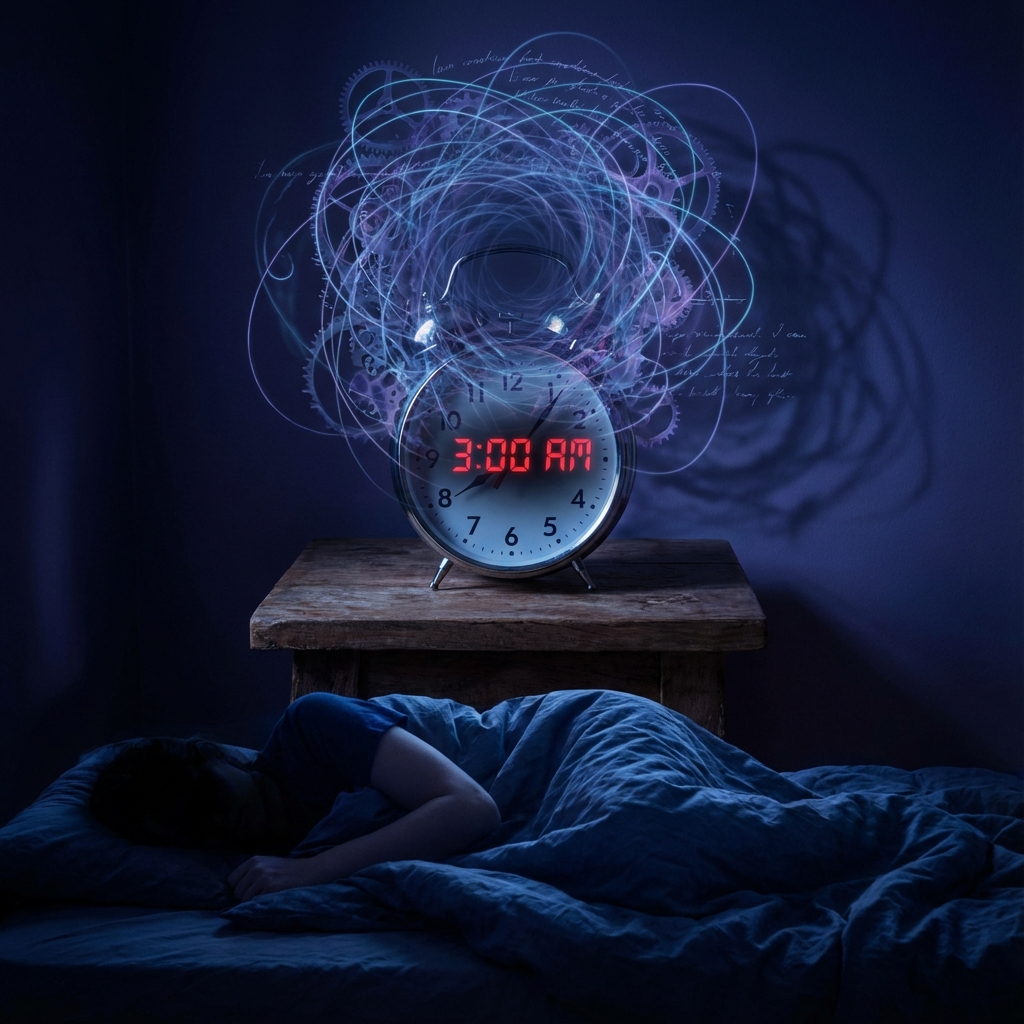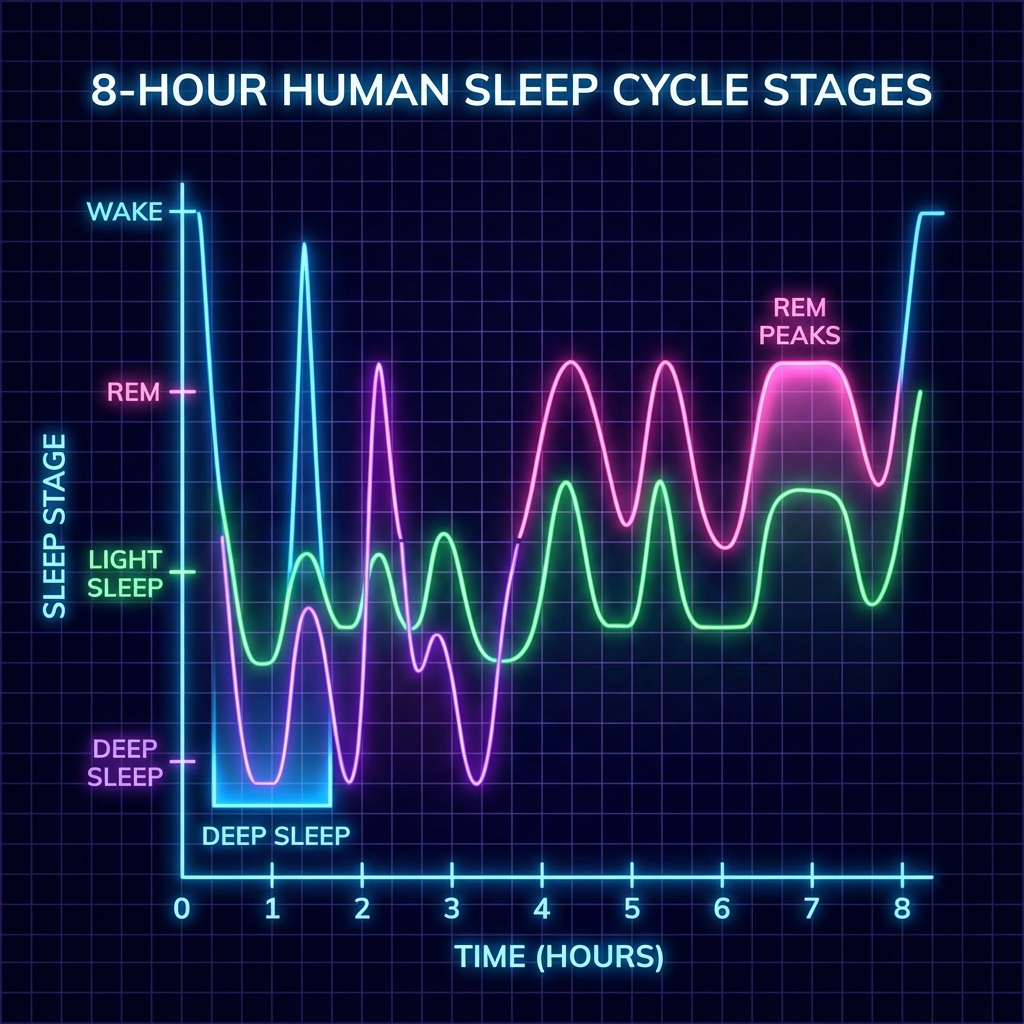


Do you frequently find yourself tossing and turning, staring at the ceiling as the hours tick by? You’re not alone. Sleep irregularities affect millions worldwide, impacting everything from mood and cognitive function to overall physical health. Understanding why you can’t sleep is crucial for finding effective solutions.
As a Senior Sleep Editor, I’m here to break down the most common reasons behind disrupted sleep, helping you pinpoint potential causes and pave your way to a more restorative night.
Lifestyle Factors Disrupting Your Sleep
Our daily habits often have the most direct impact on our sleep quality.
Poor Sleep Hygiene
- Irregular Sleep Schedule: Going to bed and waking up at different times confuses your body’s natural circadian rhythm.
- Lack of Wind-Down Routine: Jumping straight from stimulating activities (work, screens) to bed prevents your brain from preparing for sleep.
- Uncomfortable Sleep Environment: A noisy, bright, or excessively hot/cold room can make it difficult to fall and stay asleep.
Diet and Nutrition
- Caffeine Intake: Consuming caffeine too late in the day can keep you alert for hours.
- Alcohol Before Bed: While it might make you feel drowsy, alcohol disrupts sleep architecture, leading to fragmented and poor-quality sleep later in the night.
- Heavy Meals Close to Bedtime: Digestion can interfere with your body’s ability to relax and sleep.
Lack of Physical Activity
While regular exercise promotes better sleep, intense workouts too close to bedtime can be stimulating and counterproductive.
Excessive Screen Time
The blue light emitted from phones, tablets, and computers suppresses melatonin production, a hormone essential for sleep.
Psychological & Emotional Contributors
Your mental and emotional state profoundly influences your ability to sleep.
Stress and Anxiety
Racing thoughts, worries about the future, or unresolved conflicts can make it impossible for your mind to calm down at night, leading to insomnia.
Depression
Sleep disturbances are a common symptom of depression, often manifesting as difficulty falling asleep, staying asleep, or oversleeping.
Trauma and PTSD
Nightmares, flashbacks, and hyper-arousal associated with trauma can severely disrupt sleep patterns.
Underlying Medical Conditions
Several health issues can directly cause or contribute to sleep problems. If you suspect a medical cause, consult a healthcare professional.
Sleep Apnea
A serious condition where breathing repeatedly stops and starts during sleep, leading to loud snoring, gasping, and severe daytime fatigue.
Restless Legs Syndrome (RLS)
An irresistible urge to move the legs, often accompanied by uncomfortable sensations, especially prominent in the evening or night.
Chronic Pain
Conditions like arthritis, fibromyalgia, or back pain can make finding a comfortable position difficult and awaken you throughout the night.
Hormonal Imbalances
Thyroid disorders, menopause (hot flashes), and premenstrual syndrome (PMS) can all impact sleep.
Neurological Disorders
Conditions such as Parkinson’s disease or Alzheimer’s can disrupt the brain regions that regulate sleep.
Gastroesophageal Reflux Disease (GERD)
Heartburn and acid reflux can worsen when lying down, causing discomfort and waking you up.
Environmental Influences on Sleep
Your surroundings play a bigger role than you might think.
Noise and Light Pollution
Even subtle noises (street traffic, a dripping tap) or light (streetlights, electronics) can prevent deep sleep.
Room Temperature
Most people sleep best in a cool room, typically between 60-67°F (15-19°C).
Uncomfortable Bedding
An old mattress, unsuitable pillows, or scratchy sheets can significantly impact comfort and sleep quality.
Medications and Substance Use
Certain substances can have stimulating or disruptive effects on sleep.
- Prescription Drugs: Some antidepressants, high blood pressure medications, decongestants, and corticosteroids can interfere with sleep.
- Over-the-Counter Remedies: Caffeine-containing pain relievers or cold medications can keep you awake.
- Illicit Substances: Stimulants like cocaine or amphetamines severely disrupt sleep.
Common Sleep Disruptors & Their Impact
Here’s a quick comparison of some frequent causes of sleep problems:
| Cause of Irregularity | Typical Symptoms | Potential Long-Term Impact |
|---|---|---|
| Poor Sleep Hygiene | Difficulty falling asleep, frequent awakenings, feeling unrefreshed, daytime fatigue. | Reduced cognitive function, irritability, increased risk of accidents. |
| Stress/Anxiety | Racing thoughts at night, muscle tension, difficulty relaxing, insomnia. | Chronic insomnia, exacerbated anxiety/depression, impaired immune function. |
| Sleep Apnea | Loud snoring, gasping/choking during sleep, excessive daytime sleepiness, morning headaches. | High blood pressure, heart disease, stroke, diabetes, memory problems. |
| Caffeine/Alcohol | Difficulty initiating sleep (caffeine), fragmented sleep (alcohol), frequent nighttime awakenings. | Disturbed sleep architecture, increased fatigue, dependency. |
When to Seek Professional Help
If sleep irregularities persist for more than a few weeks, significantly impact your daily life, or if you suspect an underlying medical condition, it’s essential to consult a doctor or a sleep specialist. They can help diagnose the specific cause of your sleep problems and recommend appropriate treatments, from lifestyle adjustments to cognitive-behavioral therapy for insomnia (CBT-I) or medical interventions.
Conclusion
Sleep is a cornerstone of good health, and understanding the myriad factors that can disrupt it is the first step toward reclaiming your nights. By carefully examining your lifestyle, managing stress, evaluating your environment, and addressing any potential medical concerns, you can begin to unravel the mystery of your sleep irregularities and work towards consistent, restorative sleep. Don’t let poor sleep define your days; take action to discover and resolve its root causes.