
⚡ Quick Summary
- The Core Issue: Understanding the fundamentals is key to fixing sleep.
- The Solution: Applied science and consistency outperform expensive gadgets.
- Bottom Line: Read below for the detailed breakdown.
Key Takeaways
- Summary: If you struggle to fall asleep, your screens might be the culprit. Blue light emitted by phones and computers mimics…
- Action: Read below for the full scientific breakdown.
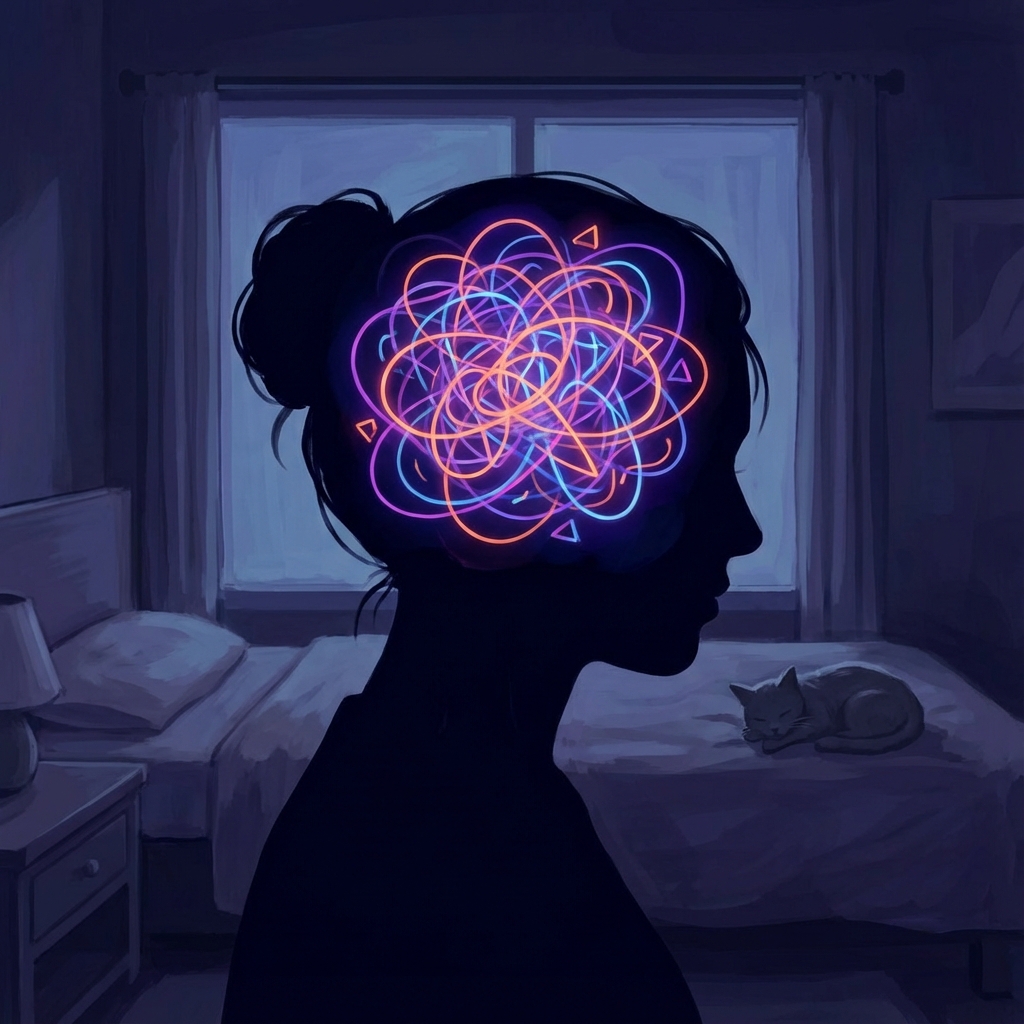
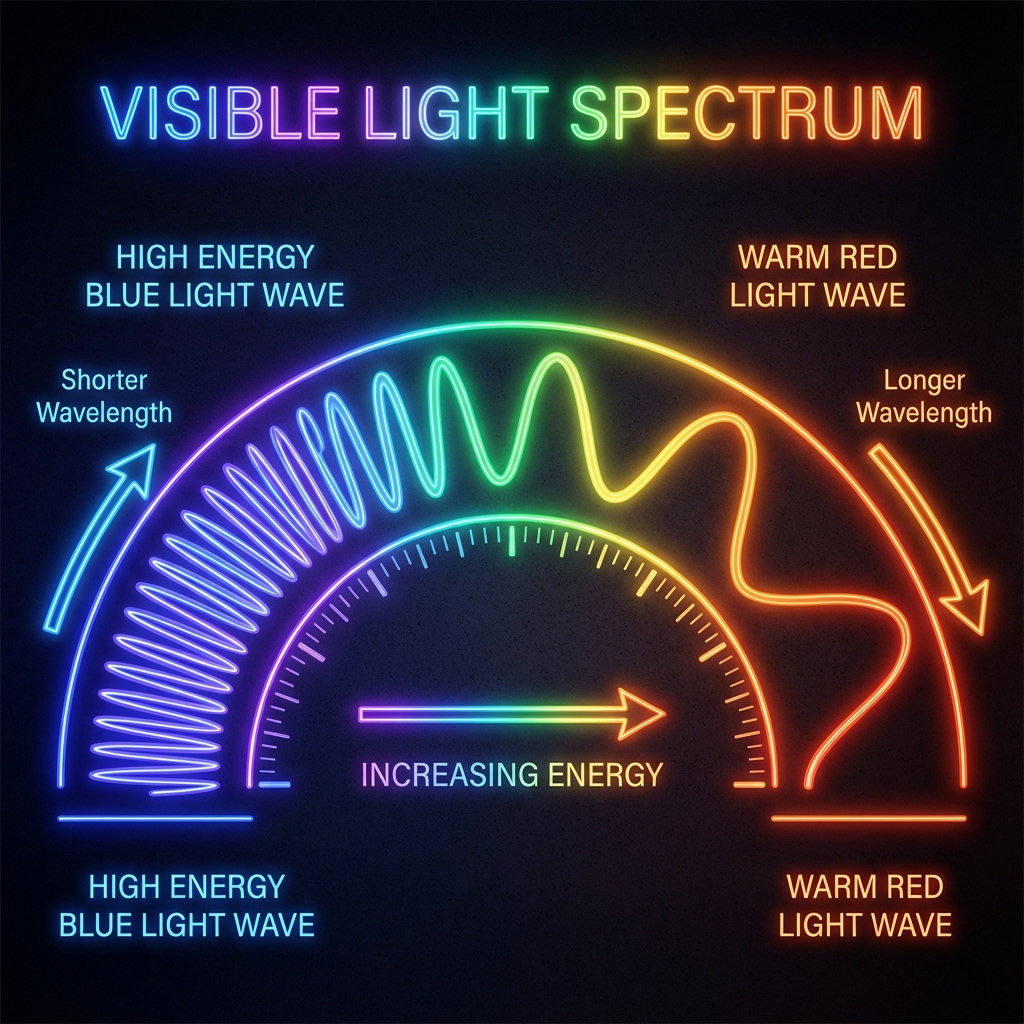
If you struggle to fall asleep, your screens might be the culprit. Blue light emitted by phones and computers mimics daylight, tricking your brain into thinking it is still daytime.
The Melatonin Connection
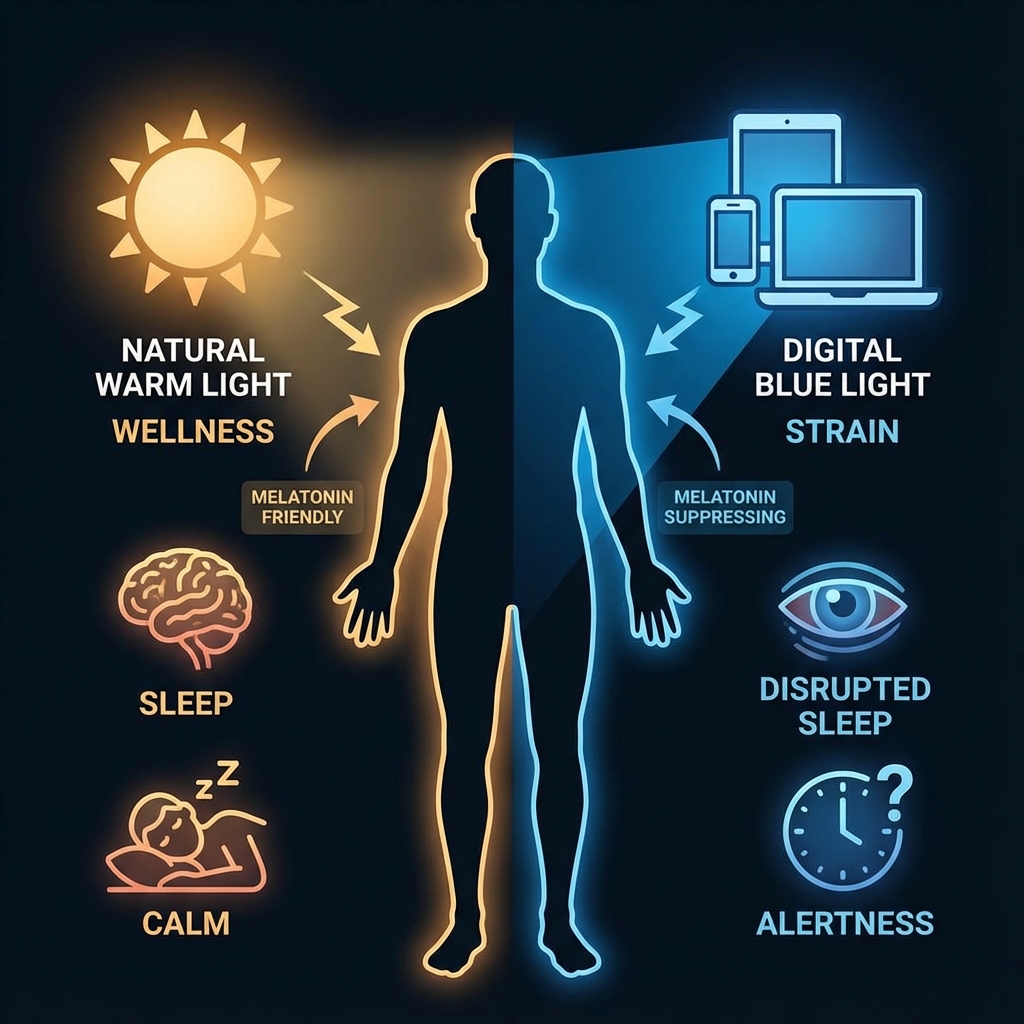
Blue light suppresses the production of melatonin, the hormone that signals your body it is time to sleep. This shifts your circadian rhythm, making it harder to fall asleep and wake up.
Digital Eye Strain
Beyond sleep, excessive blue light causes eye strain and headaches, which further hinder relaxation at night.
Solutions: Glasses and Filters
Using software like f.lux or “Night Shift” mode helps, but dedicated blue light blocking glasses are often more effective for protecting your eyes and sleep cycle in the evening.
Final Thoughts
Improving your sleep is a journey. Start with one small change from this guide and monitor how you feel over the next week.
Read Next: Review: The Smartest Alarm Clock
Why This Matters Now
In our modern, always-on society, sleep is often the first thing sacrificed. However, understanding these principles is crucial for long-term health. Chronic sleep deprivation is linked to numerous health issues, making this knowledge not just interesting, but vital.
By prioritizing your rest, you are investing in your future productivity, mood stability, and physical longevity.
When to See a Doctor
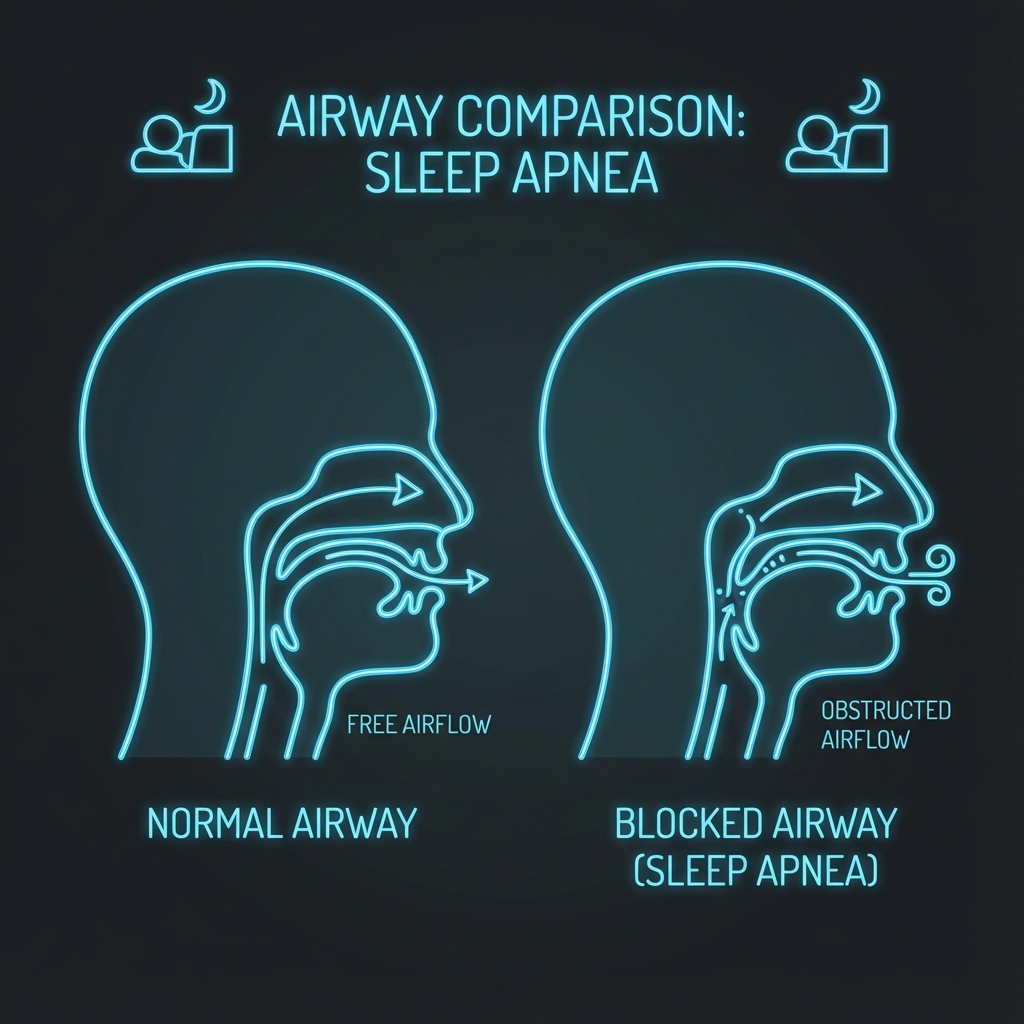
While lifestyle changes are the first line of defense, chronic issues may indicate an underlying condition like Sleep Apnea or RLS. If symptoms persist for more than 3 weeks despite your best efforts, consult a specialist.
Long-Term Health Impact
Ignoring this issue isn’t just about being tired. Chronic sleep deprivation is linked to long-term health risks including cardiovascular disease, weakened immunity, and metabolic disorders.