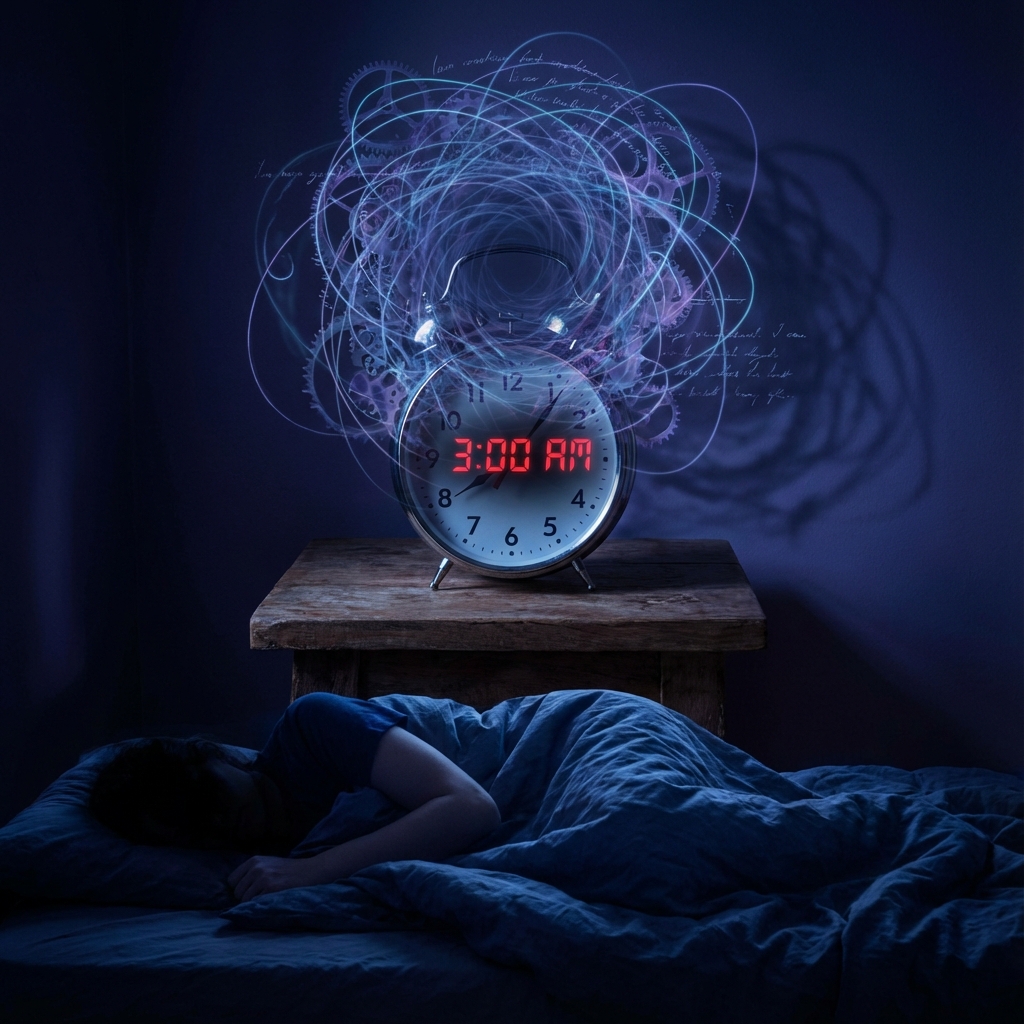

The concept of sleep has undergone a dramatic transformation over the last decade. As we navigate the complexities of 2026, where the boundaries between professional labor and private life have been almost entirely erased by hyper-connectivity, the simple act of closing one’s eyes has become a subject of intense debate. We no longer view sleep as a passive state of rest; we view it as a performance metric, a biological necessity, and, increasingly, a luxury. If you find yourself staring at your ceiling at 3:00 AM, wondering where your focus, energy, and vitality have gone, you are not alone. You are living through a global sleep crisis that demands more than just a “quick fix” or a trendy supplement.
Sleep hygiene, once a niche term used by clinical psychologists and sleep researchers, has moved into the mainstream. It is the practice of cultivating habits and environments that are conducive to consistent, high-quality rest. However, in our current year of 2026, the traditional advice of “no caffeine after noon” feels woefully inadequate. We are dealing with an environment saturated with blue light from augmented reality interfaces, the persistent buzz of the “always-on” gig economy, and the psychological weight of a rapidly changing world. To achieve true restoration, you must adopt a philosophy of sleep that is both rigorous and personalized.
This article argues that sleep hygiene is not merely a set of rules, but a radical act of self-preservation. When you prioritize your sleep, you are asserting control over your biological autonomy in an era that wants every second of your attention. We will explore the multifaceted layers of modern rest, from the neurological impact of circadian rhythms to the controversial rise of sleep-tracking technologies. By the end of this guide, you will have a comprehensive framework to rebuild your relationship with the night.
Table of Contents
- The Biological Mandate: Understanding Your Internal Clock
- The Digital Sabbath: Escaping the 2026 Screen Trap
- Nutritional Bio-Hacking for Enhanced Recovery
- Environmental Engineering: The Architecture of the Bedroom
- The Psychology of Decompression: Silencing the Mental Noise
- The Great Tracking Debate: Is Data Ruining Your Sleep?
- The Temperature Threshold: Science of the Cooling Body
- Shift Work and the Modern Economy: Adapting Your Rhythm
- The Morning Reset: Why Sleep Hygiene Starts at Sunrise
- The Future of Rest: Trends and Ethical Considerations for 2027
- Key Takeaways
- Frequently Asked Questions (FAQ)
- Darkness: Even a tiny LED light from a smoke detector or a power strip can penetrate your eyelids and signal your brain to stop producing melatonin. Use blackout curtains and, if necessary, a high-quality silk sleep mask.
- Sound: In urban environments, noise pollution is a constant. We recommend high-fidelity white noise or “pink noise” machines that mask sudden sounds like sirens or neighbors.
- Scent: The use of lavender and sandalwood essential oils is supported by clinical research to lower heart rates and prepare the body for the N3 (Deep Sleep) stage.
The Biological Mandate: Understanding Your Internal Clock
At the core of every human being lies a master clock known as the Suprachiasmatic Nucleus (SCN). This tiny region in the brain coordinates your circadian rhythm—a 24-hour cycle that dictates everything from your hormone production to your metabolic rate. When we discuss sleep hygiene, we are essentially discussing the “tuning” of this internal clock.
In 2026, your circadian rhythm is under constant assault. The artificial lighting systems in modern offices and homes are designed for productivity, not biological harmony. We recommend that you treat your internal clock with the same respect you would a high-precision instrument. When your rhythm is misaligned, you don’t just feel tired; you experience a systemic breakdown of health. Studies from 2025 have shown that chronic circadian disruption is directly linked to an increased risk of cardiovascular disease, cognitive decline, and metabolic syndrome.
To honor your biological mandate, you must understand your “chronotype.” Are you a morning lark or a night owl? While society often rewards the early riser, forcing yourself into a schedule that contradicts your biology is a recipe for chronic inflammation. You should advocate for a schedule that aligns with your natural peaks and troughs.
| Sleep Stage | Duration (Approx.) | Primary Function |
|---|---|---|
| N1 (Light Sleep) | 1-7 Minutes | Transition from wakefulness; brain waves slow. |
| N2 (Intermediate) | 10-25 Minutes | Heart rate drops; body temperature decreases. |
| N3 (Deep Sleep) | 20-40 Minutes | Physical repair; growth hormone release; immune boost. |
| REM (Dreaming) | 10-60 Minutes | Cognitive processing; memory consolidation; emotional regulation. |
The Digital Sabbath: Escaping the 2026 Screen Trap
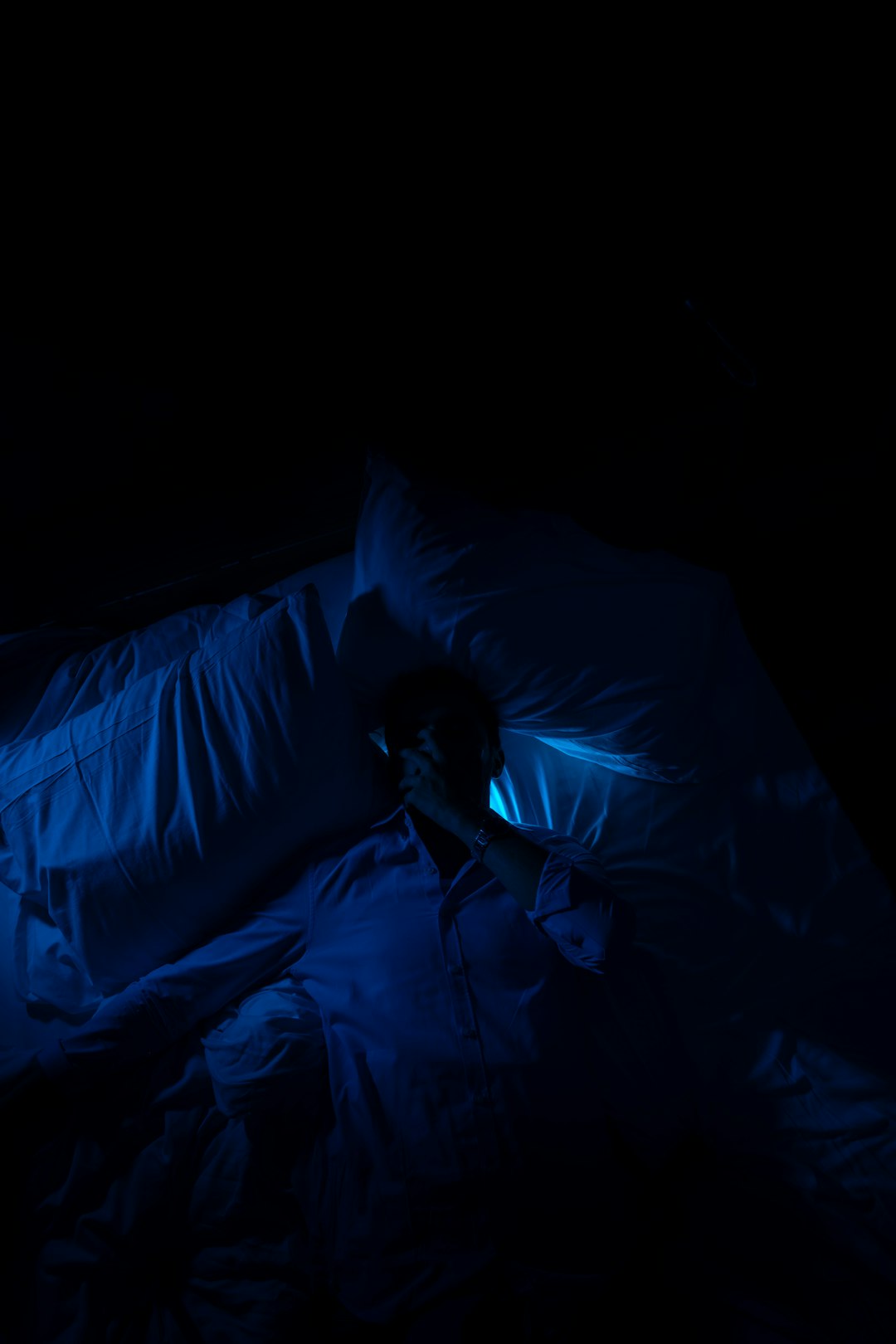
The most significant barrier to quality sleep in the mid-2020s is undoubtedly the digital interface. As we have transitioned into more immersive technologies, including wearable AR glasses and haptic devices, the “blue light” problem has evolved. It is no longer enough to simply turn on a “night mode” filter. The issue is cognitive arousal.
When you engage with digital content—be it social media, news, or work emails—you are stimulating the release of cortisol and dopamine. These “wakefulness” hormones are the direct antagonists of melatonin, the hormone your brain needs to signal that it is time for rest. We believe that a “Digital Sabbath” beginning at least 90 minutes before your planned sleep time is non-negotiable.
This means more than just putting down the phone. It means removing the temptation entirely. We recommend that you create a “charging station” outside of your bedroom. This physical separation prevents the “just one more scroll” phenomenon that can delay your sleep onset by hours. In 2026, the battle for your attention is won or lost in the two hours before midnight.
Nutritional Bio-Hacking for Enhanced Recovery
What you consume during the day dictates how you recover at night. While the 20th-century focus was primarily on caffeine avoidance, the 2026 approach to sleep nutrition is much more sophisticated. We are seeing a rise in “sleep-focused” diets that prioritize precursors to neurotransmitters like GABA and Serotonin.
For instance, the timing of your last meal is critical. Digestion is an energy-intensive process that raises your core body temperature. If you eat a heavy meal within two hours of sleep, your body is forced to choose between digesting and resting. Furthermore, we must address the “caffeine tail.” The half-life of caffeine is approximately five to six hours. This means that if you have a latte at 4:00 PM, half of that caffeine is still circulating in your system at 10:00 PM, blocking adenosine receptors that signal sleepiness.
| Nutrient | Recommended Source | Impact on Sleep |
|---|---|---|
| Magnesium | Spinach, Pumpkin Seeds | Relaxes muscles; regulates the nervous system. |
| Tryptophan | Turkey, Oats, Eggs | Precursor to Serotonin and Melatonin. |
| Potassium | Bananas, Sweet Potatoes | Prevents night cramps and muscle tension. |
| L-Theanine | Green Tea (Decaf), Supplements | Promotes relaxation without sedation. |
Environmental Engineering: The Architecture of the Bedroom
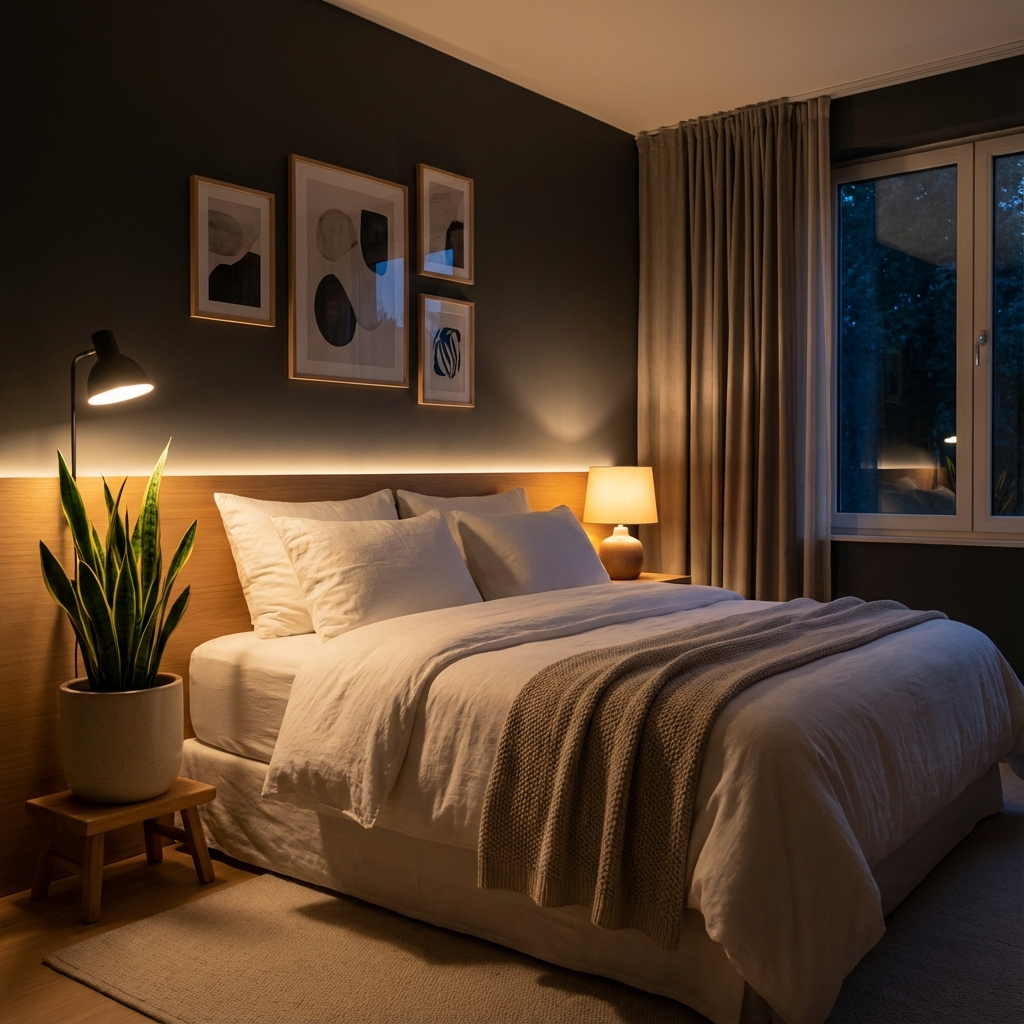
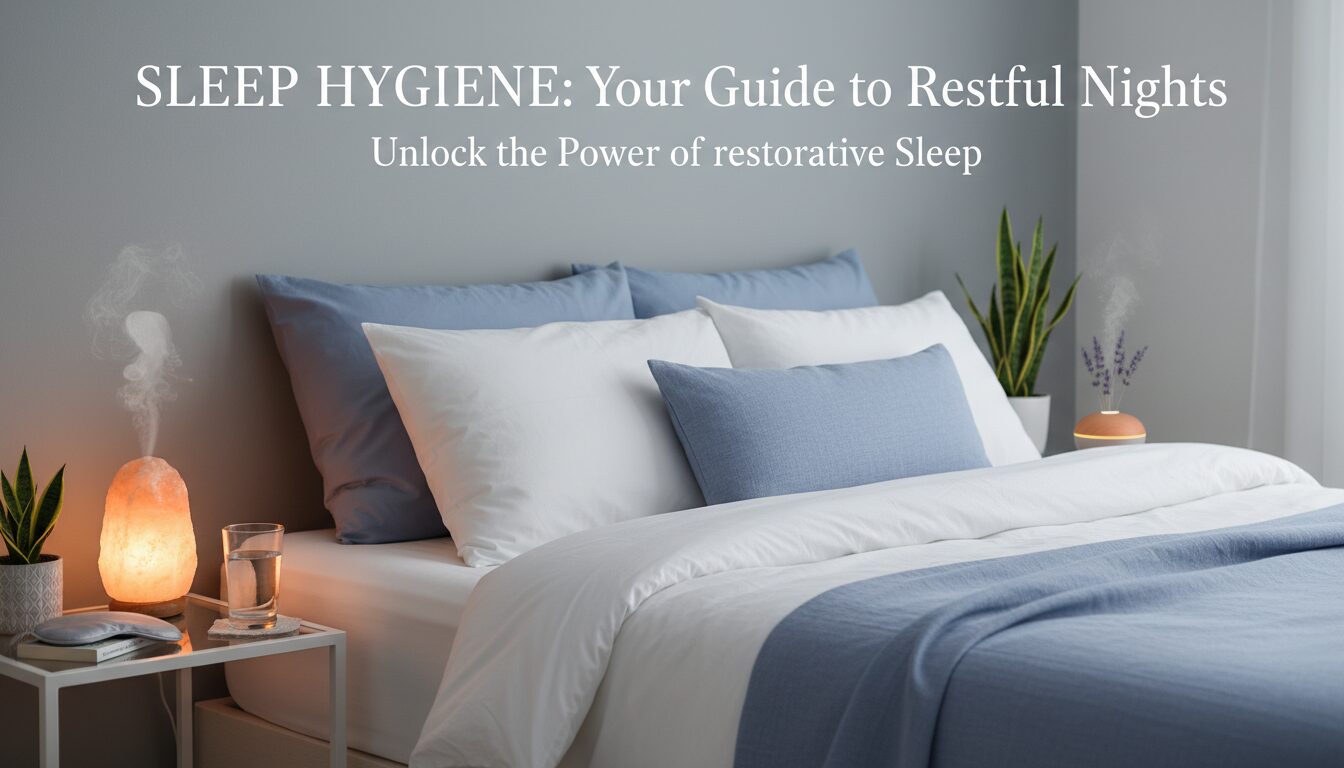
Your bedroom should be a sanctuary, a space dedicated exclusively to sleep and intimacy. In our professional opinion, many people fail at sleep hygiene because they treat their bedroom like a multi-purpose room—a gym, an office, and a cinema all in one. To fix this, you must engage in “environmental engineering.”
The ideal sleep environment follows the “Cave Method”: it must be cool, dark, and quiet.
The Psychology of Decompression: Silencing the Mental Noise
In 2026, the primary cause of insomnia isn’t physical discomfort; it’s “cognitive popcorn.” This is the phenomenon where, as soon as your head hits the pillow, your brain begins to fire off thoughts about tomorrow’s tasks, past regrets, or existential anxieties.
To combat this, you must implement a formal decompression routine. This isn’t just about relaxation; it’s about “downloading” the day’s stress. We recommend a practice called the “Brain Dump.” Ten minutes before you start your evening routine, sit down with a physical notebook (no screens!) and write down everything that is worrying you or everything you need to do the next day. By externalizing these thoughts, you give your brain permission to stop looping them.
Furthermore, mindfulness and guided meditation have become essential tools. However, do not use them as a “switch” to turn off your brain. Instead, use them as a way to observe your thoughts without engaging with them. As Dr. Elena Vance, a leading 2026 sleep psychologist, states: “Sleep is a shy bride; if you chase her, she will run away. You must create the conditions for her to come to you.”
The Great Tracking Debate: Is Data Ruining Your Sleep?
One of the most debatable topics in 2026 is the role of wearable sleep trackers. On one hand, these devices provide unprecedented insights into our sleep cycles. On the other hand, they have given rise to a new clinical condition: Orthosomnia. This is the obsessive pursuit of “perfect” sleep data, which ironically causes enough stress to prevent sleep.
If you find yourself waking up feeling refreshed but then becoming anxious because your ring or watch told you that you only had 12% deep sleep, the technology is working against you. Data should be a guide, not a judge. We recommend that you look at trends over weeks and months rather than focusing on a single night’s score. Your body is a biological system, not a digital one; it is subject to natural fluctuations.
Expert Statistic: A 2025 study by the National Sleep Foundation found that 42% of adults using high-end trackers reported increased anxiety regarding their sleep quality, leading to a 15-minute average increase in sleep latency (the time it takes to fall asleep).
The Temperature Threshold: Science of the Cooling Body
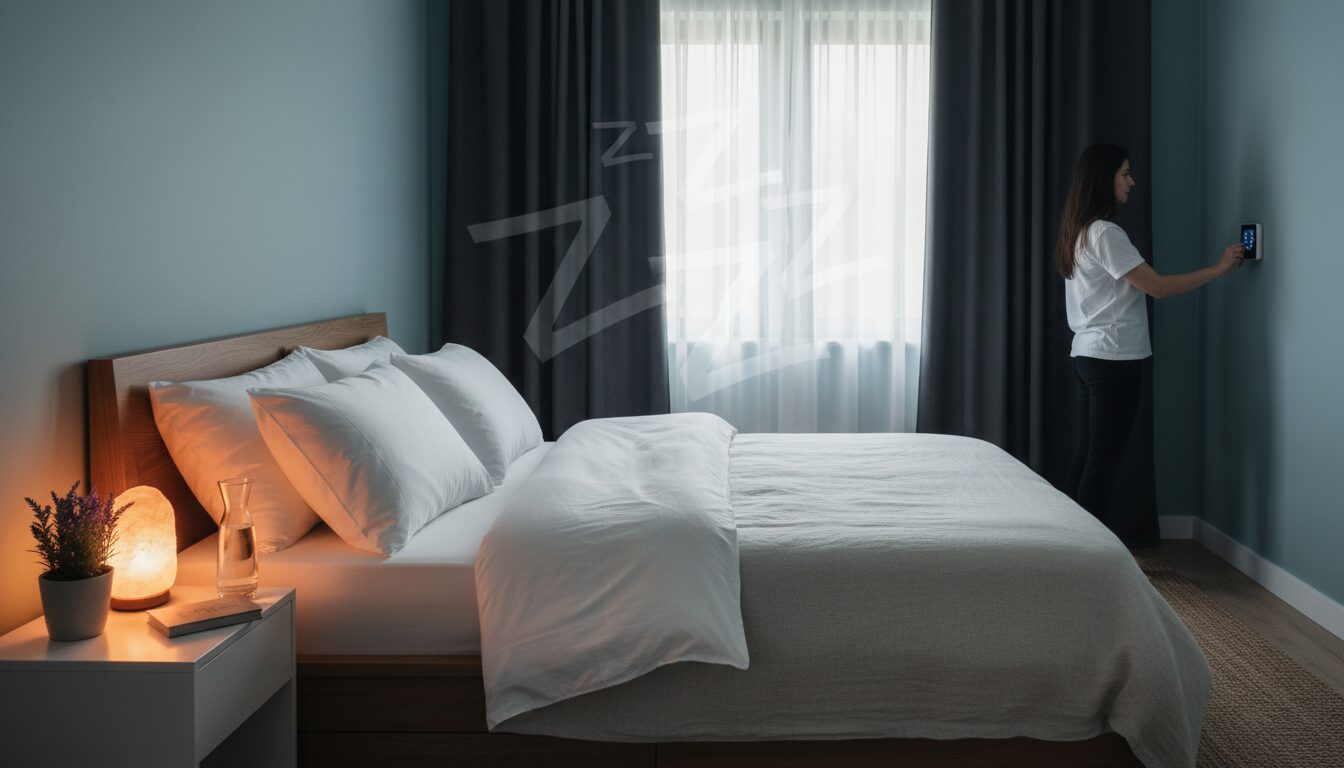
As you fall asleep, your core body temperature must drop by about two to three degrees Fahrenheit. If your environment is too warm, your body will struggle to reach this threshold, resulting in fragmented sleep and a lack of REM cycles.
In 2026, we have access to “active cooling” technology—mattress toppers that circulate chilled water or air to keep your surface temperature consistent. While these are excellent, you can achieve similar results through simpler means. Keeping your thermostat between 60 and 67 degrees Fahrenheit is the gold standard. Additionally, a warm bath or shower 60 minutes before bed can paradoxically help. The warm water brings blood to the surface of your skin; once you step out, that heat dissipates rapidly, causing your core temperature to plummet and signaling to your brain that it is time for rest.
| Room Temperature (°F) | Sleep Quality Impact | Biological Response |
|---|---|---|
| Above 75°F | Poor | Increased restlessness; sweat-induced waking. |
| 65°F – 70°F | Optimal | Facilitates core temperature drop; stable N3 sleep. |
| Below 55°F | Variable | May cause shivering or muscle tension in some. |
Shift Work and the Modern Economy: Adapting Your Rhythm
The 9-to-5 workday is becoming a relic of the past for a large portion of the United States workforce. With the rise of global collaboration and the gig economy, many of you are working non-traditional hours. This presents a unique challenge for sleep hygiene.
If you are a shift worker, you cannot rely on the sun to regulate your rhythm. You must create a “synthetic night.” This involves using high-intensity light therapy during your “morning” (even if that is 8:00 PM) and wearing blue-light-blocking glasses the moment you finish your shift. The goal is to trick your SCN into believing that your schedule is the natural one. We recommend that you maintain the same sleep schedule even on your days off. “Social jetlag”—the practice of shifting your sleep times by more than two hours on weekends—is as damaging to your metabolism as a week of poor sleep.
The Morning Reset: Why Sleep Hygiene Starts at Sunrise
It may seem counterintuitive, but the quality of your sleep tonight depends heavily on what you do the moment you wake up this morning. Your circadian rhythm is “anchored” by your first exposure to bright light.
When you wake up, you should seek out natural sunlight within the first 30 minutes. This triggers a timed release of cortisol (to wake you up) and sets a countdown timer for melatonin production 14 to 16 hours later. In 2026, many professionals use “SAD lamps” or light therapy glasses during the winter months to achieve this effect. Furthermore, avoid the “Snooze” button. The sleep you get in those ten-minute increments is of extremely low quality and can lead to “sleep inertia,” leaving you feeling groggy for hours.
The Future of Rest: Trends and Ethical Considerations for 2027
As we look toward the horizon, the field of sleep hygiene is entering the realm of neuro-stimulation. We are seeing the development of non-invasive headbands that use “acoustic stimulation” to deepen the slow-wave sleep of the elderly and those with cognitive impairments.
However, we must also consider the ethics of “productivity hacking.” There is a growing movement in some corporate sectors to use technology to compress sleep—attempting to get the benefits of eight hours of rest in only four. We strongly advise against this. Sleep is not just a period of “inactivity” to be optimized away; it is a complex biological process that requires time. There are no shortcuts to the neurological “housekeeping” that occurs during the later stages of the night.
Key Takeaways
– Consistency is King: Your brain thrives on predictability. Go to bed and wake up within the same 30-minute window every day.
– Light is a Drug: Treat it as such. Seek bright light in the morning and avoid it entirely in the two hours before bed.
– Cooling is Crucial: A cool room (65°F) is more effective than any sleeping pill for the average person.
– Mental Cleanup: Use a “Brain Dump” to move your anxieties from your mind to paper before you enter the bedroom.
– Data Moderation: Use sleep trackers to identify patterns, but do not let a “low score” dictate your mood or stress levels.
Frequently Asked Questions (FAQ)
Q: Is it true that I can “catch up” on sleep during the weekend?
A: Not exactly. While extra rest can help reduce some immediate sleep debt, it does not reverse the long-term metabolic and cognitive damage caused by chronic sleep deprivation. Furthermore, sleeping in late on Sunday makes it much harder to fall asleep on Sunday night, creating a cycle of “Monday Morning Blues.”
Q: I work in a room with no windows. How do I fix my circadian rhythm?
A: You should invest in a high-intensity light therapy box (at least 10,000 lux). Use it for 20 minutes in the morning. This provides the biological signal your brain needs to anchor its internal clock in the absence of natural sunlight.
Q: Are natural supplements like Melatonin safe for long-term use?
A: In 2026, the consensus among sleep experts is that Melatonin should be used as a “rhythm shifter” (for jet lag or shift work) rather than a nightly sedative. Over-reliance can lead to your brain down-regulating its own natural production. Always consult with a healthcare professional before starting a supplement regimen.
Q: How does alcohol really affect my sleep? It helps me fall asleep faster.
A: Alcohol is a sedative, but it is not a sleep aid. While it may reduce “sleep latency” (the time to fall asleep), it drastically reduces the quality of your REM sleep. As the alcohol is metabolized, it causes “rebound arousal,” leading to frequent awakenings in the second half of the night.
Q: My partner snores, and it’s ruining my sleep hygiene. What should I do?
A: This is a common issue. First, the partner should be screened for obstructive sleep apnea, a serious medical condition. If it is simple snoring, high-quality earplugs or a white noise machine are essential. In some cases, “Sleep Divorce”—the practice of sleeping in separate beds—is a healthy and practical solution that can save both the relationship and your health.
Q: Can a 20-minute nap replace an hour of night sleep?
A: No. Naps are excellent for a quick boost in alertness, but they consist mostly of light sleep (N1 and N2). They do not provide the deep physical repair of N3 or the emotional processing of REM sleep that occurs during a full night’s cycle.
Conclusion
As we have explored throughout this guide, sleep hygiene in 2026 is an intricate balance of ancient biology and modern technology. You are living in a time when the world is designed to keep you awake, distracted, and productive at all costs. In this environment, choosing to prioritize your rest is more than just a health tip; it is a fundamental shift in your values.
By understanding your circadian rhythm, engineering your environment, and managing the psychological weight of your day, you can reclaim the transformative power of the night. We recommend that you do not try to implement every strategy at once. Start by anchoring your morning light exposure and creating a “Digital Sabbath.” Once those habits are firm, move on to temperature control and nutritional adjustments.
Your body is not a machine that can be run indefinitely without maintenance. It is a biological organism that requires the restorative silence of the night to flourish. When you apply these principles of sleep hygiene, you are not just sleeping better; you are living better. You are giving yourself the gift of clarity, resilience, and longevity. In the fast-paced world of 2026, the most productive thing you can do is, quite simply, to go to bed.