
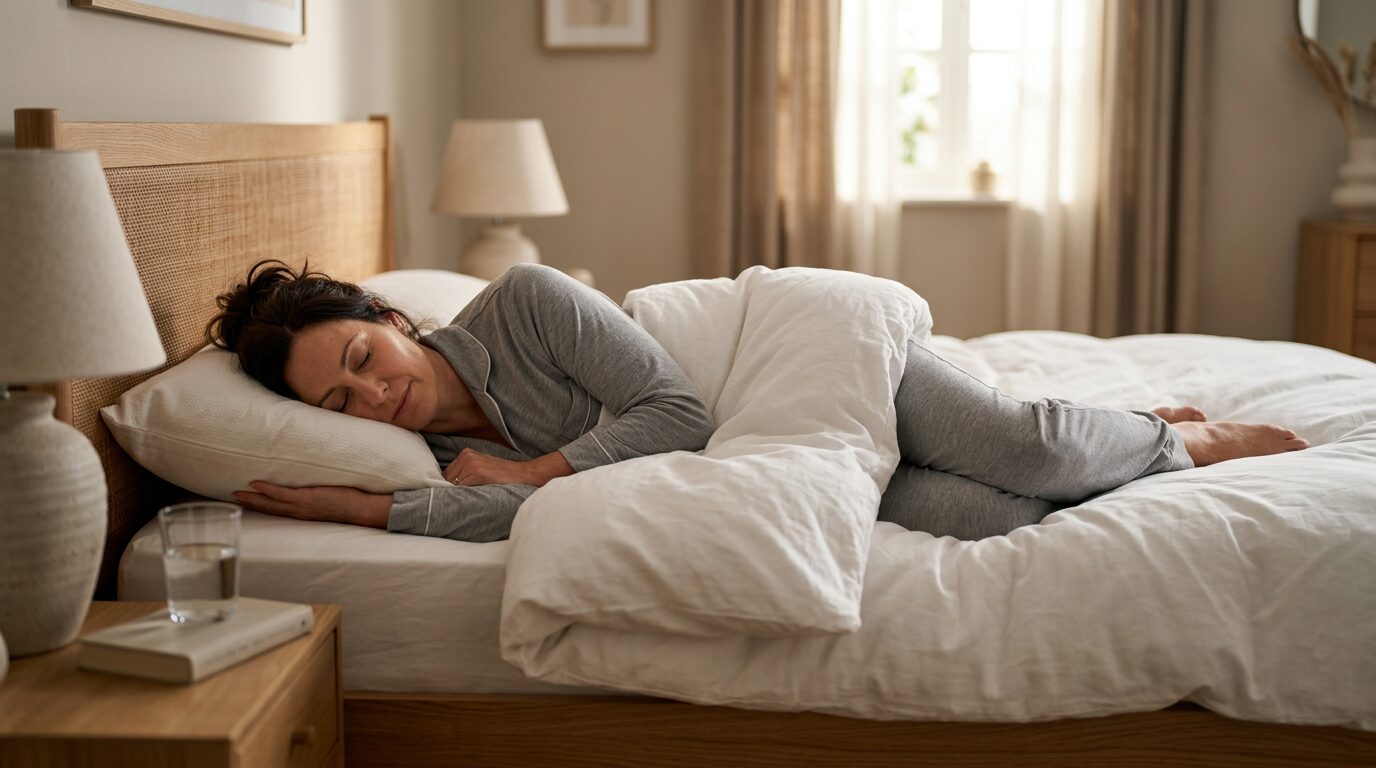
Hey there, night owl or early bird! 🦉 Ever wake up feeling like you went ten rounds in a wrestling ring, even though you were just “sleeping”? We’ve all been there, tossing and turning, trying to find that sweet spot while our internal organs are throwing a party inside. 🥳 Believe it or not, the way you snooze isn’t just about comfort; it’s basically a masterclass in how your body functions while you’re out cold. By 2026, the science of sleep ergonomics has evolved, and we’ve got the inside scoop on how your favorite sleeping position might be secretly sabotaging—or supercharging—your vital organs. 🚀
It’s time to stop treating your bed like a playground and start treating it like a recovery chamber. 🛌 Whether you’re a die-hard side sleeper, a belly-flopping adventurer, or a back-sleeping champion, your anatomy is reacting in real-time. We’re going to break down the mechanics, the weird science, and the actionable hacks to make sure you’re waking up feeling like a million bucks every single morning. 💎 Grab a coffee (or chamomile tea), get comfy, and let’s dive into the fascinating world of internal organ alignment while you catch those Z’s. Let’s get it! 💥
İçindekiler
- Why Your Sleeping Position Matters for Organ Function
- The Back Sleeper: The Gold Standard or a Trap?
- Side Sleeping: The MVP of Digestive Health
- Stomach Sleeping: The “Don’t Do It” Zone
- Optimizing Your Sleep Setup: Pillows, Posture, and Hacks
- Sıkça Sorulan Sorular
💤 Why Your Sleeping Position Matters for Organ Function
Listen up, because this is going to blow your mind. 🤯 Your internal organs—heart, lungs, stomach, liver—they aren’t just floating around in there like loose change. They are packed in tight, and they have preferred arrangements. When you flop onto your mattress, gravity pulls everything in a specific direction. Over an 8-hour sleep cycle, that sustained pressure makes a massive difference! 📉
Important: While this guide provides expert insights on sleep ergonomics, it is not a substitute for medical advice. If you have chronic conditions, always consult your physician before making major lifestyle changes. 🩺
Think of your body as a high-performance machine. 🏎️ If you park a Ferrari on an uneven curb, the suspension takes a beating, right? Same logic applies here. For instance, sleeping on your left side might seem like a small choice, but it’s a total game-changer for acid reflux and digestion. Why? Because the stomach’s position relative to the esophagus is literally tilted in your favor. It’s all about physics, baby! ⚡️
Most people don’t realize that poor sleeping habits can lead to silent damage over time. We’re talking about strained heart valves, compressed lungs, and even liver stress. 🛑 The good news? You can train your body to sleep differently. It’s not just about comfort; it’s about longevity and feeling like an absolute legend the second you wake up. Let’s break down the positions, from the best to the absolute worst. 🏆
👑 The Back Sleeper: The Gold Standard or a Trap?
Sleeping on your back (the “Soldier” or “Starfish”) is often touted by doctors as the holy grail. ✨ Why? Because it keeps your spine neutral and distributes your body weight evenly. It’s like giving your body a blank canvas to just… be. No pressure points, no weird squishing of the lungs, and your face isn’t buried in a pillow—hello, fewer wrinkles! 😉
🫁 Lung Capacity and Breathing
When you’re flat on your back, your diaphragm has plenty of room to expand. This means your lungs get maximum air intake, which is great for oxygenation. 💨 If you’re dealing with congestion or just want to breathe easy, the back position is your best friend. It keeps your airways open, reducing the chances of sleep apnea symptoms. It’s basically the ultimate “deep breath” position. 🧘♂️
💔 Cardiovascular Health
For the heart, the back position is a solid choice. It doesn’t create extra resistance for the heart to pump against. Plus, it’s great for distributing blood flow evenly throughout the body. 🩸 However, there’s a catch! If you suffer from snoring or mild sleep apnea, back sleeping can cause the tongue to collapse backward, blocking the airway. 🚫 It’s a double-edged sword, my friend. If you’re a back sleeper who snores, you might need an extra pillow to elevate your upper back or a wedge pillow to keep things aligned properly.
Pro Tip: If you’re a back sleeper, put a small pillow under your knees. It takes the pressure off your lower back and keeps your spine in a glorious, pain-free curve. It’s a total life hack! 💯
| Feature | Side Sleeping | Back Sleeping | Stomach Sleeping |
|---|---|---|---|
| Digestion | Excellent (Left side) | Neutral | Poor |
| Spine Alignment | Good (with pillow) | Excellent | Terrible |
| Airway Access | Good | Moderate (Risk of Snoring) | Good (but risky neck) |
| Wrinkles/Skin | Moderate pressure | Minimal | High |
🚀 Side Sleeping: The MVP of Digestive Health
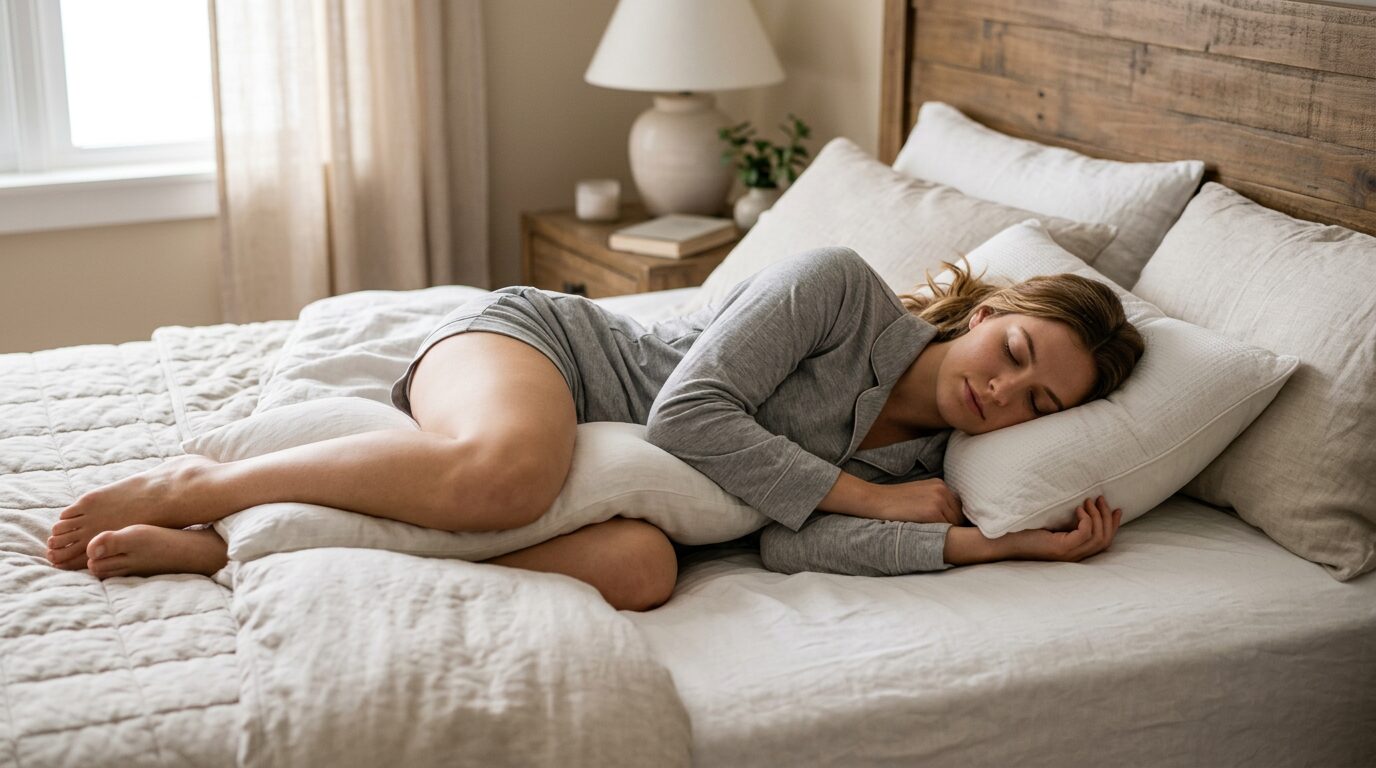
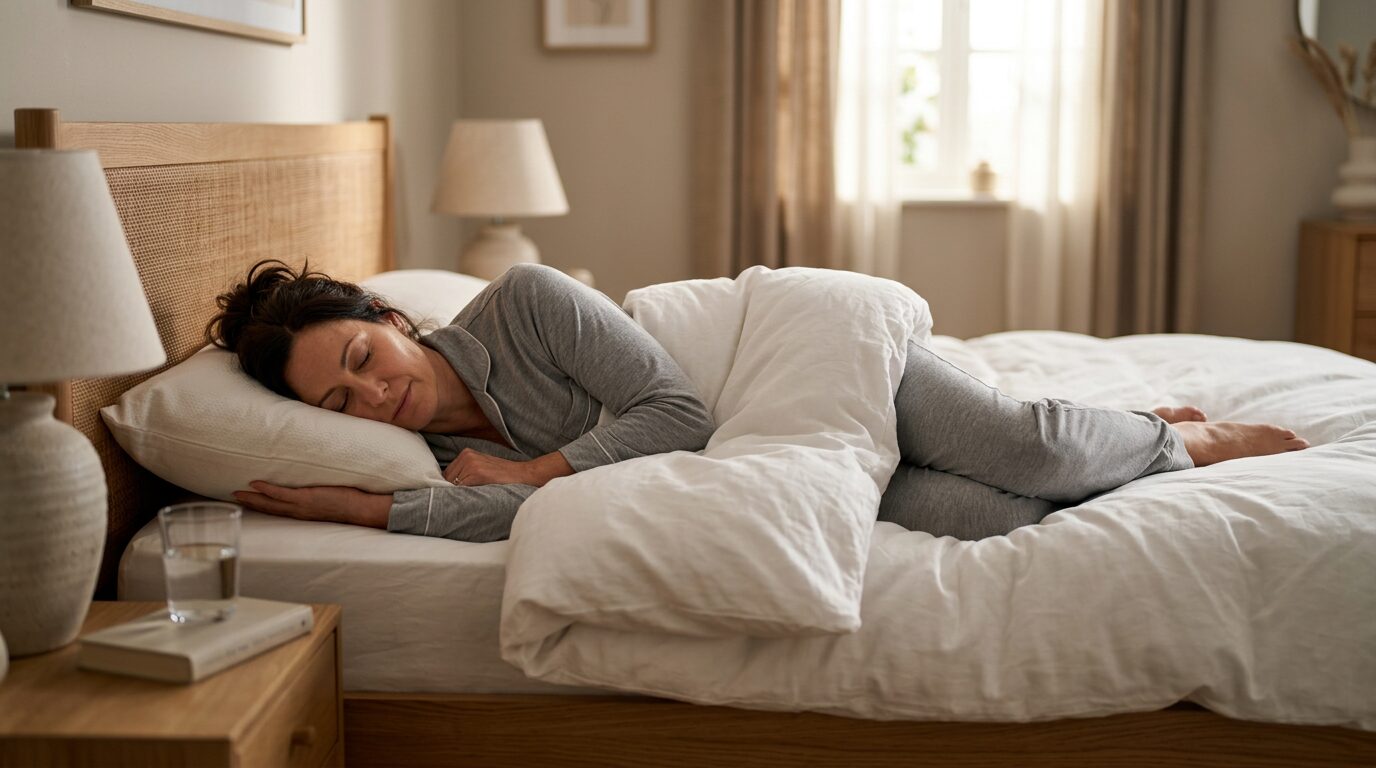
If you’re a side sleeper, give yourself a pat on the back. 🙌 This is the most common position for a reason—it feels safe, cozy, and natural. But wait, not all side-sleeping is created equal. The “Left Side” vs. “Right Side” debate is actually a massive deal for your internal organs. ⚖️
🥗 The Magic of the Left Side
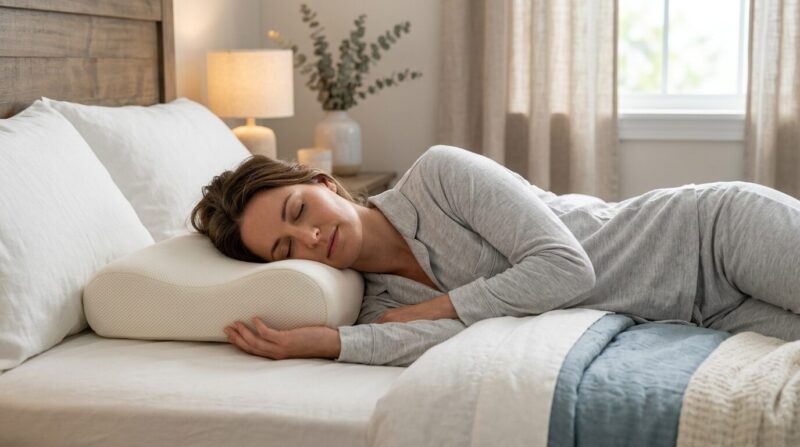
There is some serious science backing the “Left Side” movement. 🌍 Because of the stomach’s anatomical shape, sleeping on your left side prevents stomach acid from rising into the esophagus. It’s essentially natural heartburn relief. If you suffer from GERD or acid reflux, sleeping on the left is practically a magic trick. 🎩✨ You’re using gravity to keep your dinner where it belongs—in your stomach, not coming back up to visit your throat.
🩸 Lymphatic Drainage
Your brain has a waste management system called the glymphatic system. Research suggests that sleeping on your side helps your brain clear out toxins more efficiently than back or stomach sleeping. 🧠 It’s like a power-wash for your mind while you snooze. Plus, it’s great for blood flow to the heart, reducing the workload on your cardiovascular system. It’s efficient, it’s smart, and it’s arguably the best position for long-term health. 🦁
🛋️ Proper Side Alignment
The biggest mistake side sleepers make? Not using a pillow between the knees. 🚫 Without that cushion, your top leg pulls your spine out of alignment, twisting your hips and lower back. It’s a recipe for morning stiffness! Grab a pillow, shove it between those knees, and watch your posture transform overnight. It’s about keeping the pelvis neutral. Your hips will thank you, your back will thank you, and your organs will stay nice and aligned. It’s a win-win-win! 🏆
😈 Stomach Sleeping: The “Don’t Do It” Zone
Okay, let’s talk about the rebel move. Sleeping on your stomach (the “Freefall”). 🦅 I know, I know—some of you swear by it. It feels cozy, it’s what you’ve done since you were a kid, and you can’t fall asleep any other way. But I’ve got to be real with you, bro: this is the absolute worst position for your body. 📉
🦴 Neck and Spine Nightmare
To sleep on your stomach, you have to turn your head to the side. 🔄 Think about holding your head at a 90-degree angle for 7 hours straight. That is pure torture for your cervical spine! It leads to pinched nerves, stiff necks, and headaches that will make you want to scream. It’s not sustainable, and over time, it’s going to cause some serious wear and tear. ⛓️
🫀 Organ Compression
When you’re lying on your belly, you’re literally crushing your internal organs against the mattress. 📉 Your lungs have to fight against the weight of your body to expand, which leads to shallow breathing. Your digestive system is compressed, and your heart is working slightly harder to circulate blood because your torso isn’t fully relaxed. It’s like trying to run a marathon while wearing a weighted vest. Why do that to yourself? 🤷♂️
Warning: If you absolutely cannot break the stomach-sleeping habit, use a very thin pillow—or no pillow at all—to reduce the angle of your neck. It’s damage control, but it’s better than nothing. 🚨
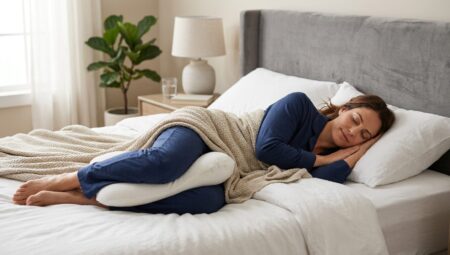
You’re essentially forcing your body to work overtime while it’s supposed to be recovering. If you want to optimize your health, transitioning away from the “Freefall” is priority number one. Try starting on your side with a body pillow (the “hug” technique) to trick your brain into feeling secure. It works wonders! 💡
🛠️ Optimizing Your Sleep Setup: Pillows, Posture, and Hacks
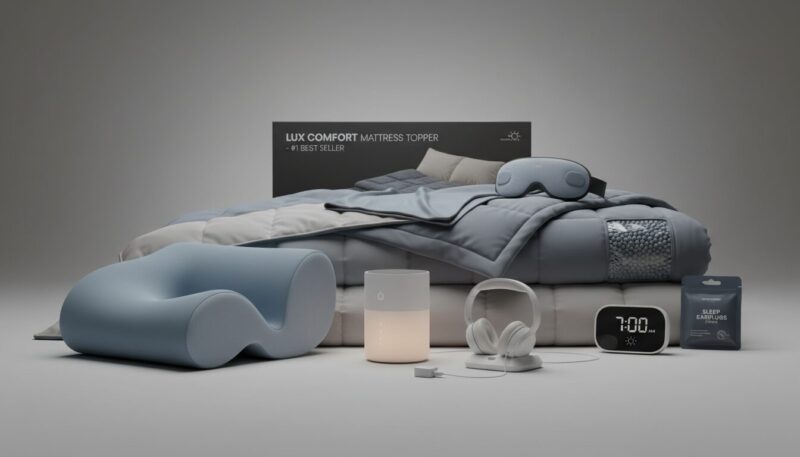
Listen, gear matters! 🛠️ You can’t expect your organs to be happy if you’re sleeping on a mattress from 2012 that’s sagging in the middle. Your bed is your sanctuary, and it’s time to upgrade it for 2026 standards. Let’s talk about the anatomy of a perfect sleep setup. 🛏️
🪶 The Pillow Game
The wrong pillow is the enemy of progress. If you’re a side sleeper, you need a firm pillow with high loft to fill the space between your ear and the mattress. If you’re a back sleeper, go for a thinner, softer pillow that cradles the neck without pushing your head forward. ☁️ Memory foam? Latex? Down alternative? It doesn’t matter as long as it supports your specific alignment needs. Test them out, don’t settle for the first one you see.
📐 Mattress Firmness
Firmness is subjective, but for organ and spine health, you want something that keeps you on the bed, not in the bed. 📉 A mattress that’s too soft causes your hips to sink, creating a “V” shape in your spine. That compresses your abdominal organs and ruins your posture. Aim for medium-firm to firm—it keeps your body aligned and allows your lungs and heart to function without restriction.
💡 The Temperature Hack
Did you know temperature affects your internal organs, too? 🌡️ Your body needs to drop its core temperature to enter deep, restorative sleep. If your room is too hot, your heart rate stays elevated, and your body struggles to reach that deep, organ-healing state. Keep the room cool, around 65-68°F (18-20°C). It’s the sweet spot for peak performance. ❄️
🧠 The “Brain Drain” Routine
Before you hit the sack, take 5 minutes to stretch. Gentle cat-cow poses or child’s pose help lengthen the spine and open up the chest, preparing your body for a night of alignment. It signals to your brain that it’s time to shut down and heal. Plus, it feels damn good after a long day of hunching over a laptop or phone. 📱
❓ Sıkça Sorulan Sorular
❓ Is it really okay to sleep on my stomach if I’ve done it my whole life?
Even if you’ve done it forever, it doesn’t make it “good.” It’s just “familiar.” You might not feel the damage now, but your neck and spine are paying the price. Try to transition to side sleeping; your future self will thank you for the lack of chronic pain. 📉
❓ Does sleeping on my back cause wrinkles?
Actually, it’s the opposite! Sleeping on your back is the best way to prevent sleep-induced wrinkles because your face isn’t being mashed against a pillowcase for 8 hours. 💆♀️ If you want to keep that youthful glow, back sleeping is your best ally.
❓ I have acid reflux, which side should I sleep on?
Always the left! 👈 The anatomy of the stomach makes the left side the “safe zone” for keeping acid down. It’s a simple, drug-free way to manage those symptoms while you get some shut-eye. It’s a total life-saver. 🌟
❓ What is the best way to transition from stomach to side sleeping?
Use a body pillow! 🫂 By hugging a body pillow, you recreate the “security” and contact you feel when sleeping on your stomach. It helps you stay on your side throughout the night and prevents you from rolling back over. It’s all about training the muscle memory.
❓ Does my mattress type really affect my organs?
Absolutely! 💯 A mattress that doesn’t support your spine causes postural distortion. When your spine is twisted, your ribs can compress, restricting lung expansion and putting uneven pressure on your digestive tract. A good mattress is an investment in your long-term health, not just comfort.
❓ How long does it take to get used to a new sleep position?
Usually, it takes about 2 to 3 weeks to retrain your body. ⏳ Don’t get discouraged if you wake up in your old position for the first few days. Keep trying, use pillows to block your movement, and eventually, your body will adapt to the healthier alignment. Consistency is key! 🔑
❓ Are wedge pillows actually worth the hype?
For back sleepers with acid reflux or snoring issues, absolutely! 🔼 A wedge pillow elevates your upper body, using gravity to help keep your airways open and your stomach acid down. It’s a simple, low-cost fix that can have a massive impact on your quality of life and sleep hygiene.
So, there you have it, folks! 🌟 Whether you’re a “Left-Sider” for the sake of your digestion or a “Back-Sleeper” aiming for that spine alignment, remember: your body is working hard while you’re out, so give it the right environment to do its job. Adjust your pillows, watch your posture, and get that rest you deserve. You’re a high-performance machine, and it’s time you treated your sleep like a professional athlete does. Sweet dreams, stay hydrated, and crush it tomorrow! 🚀🔥💯