
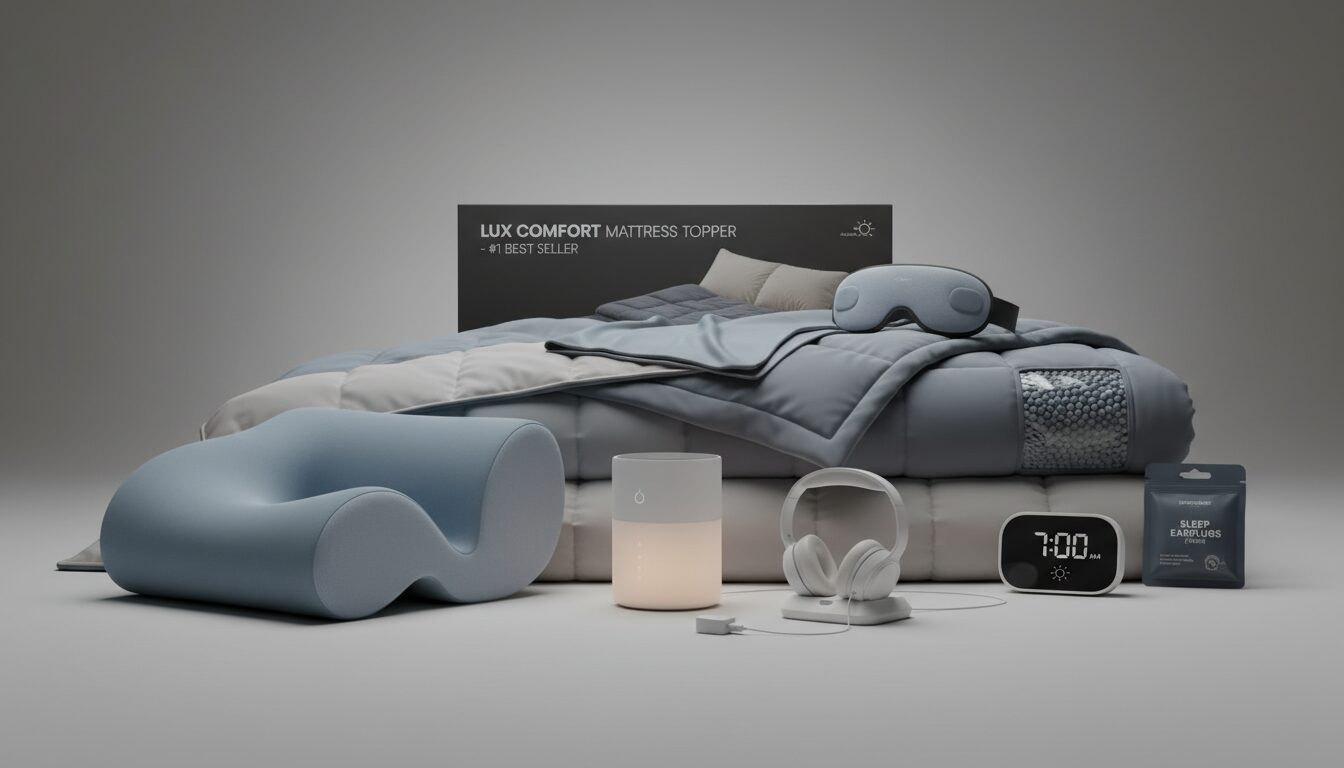
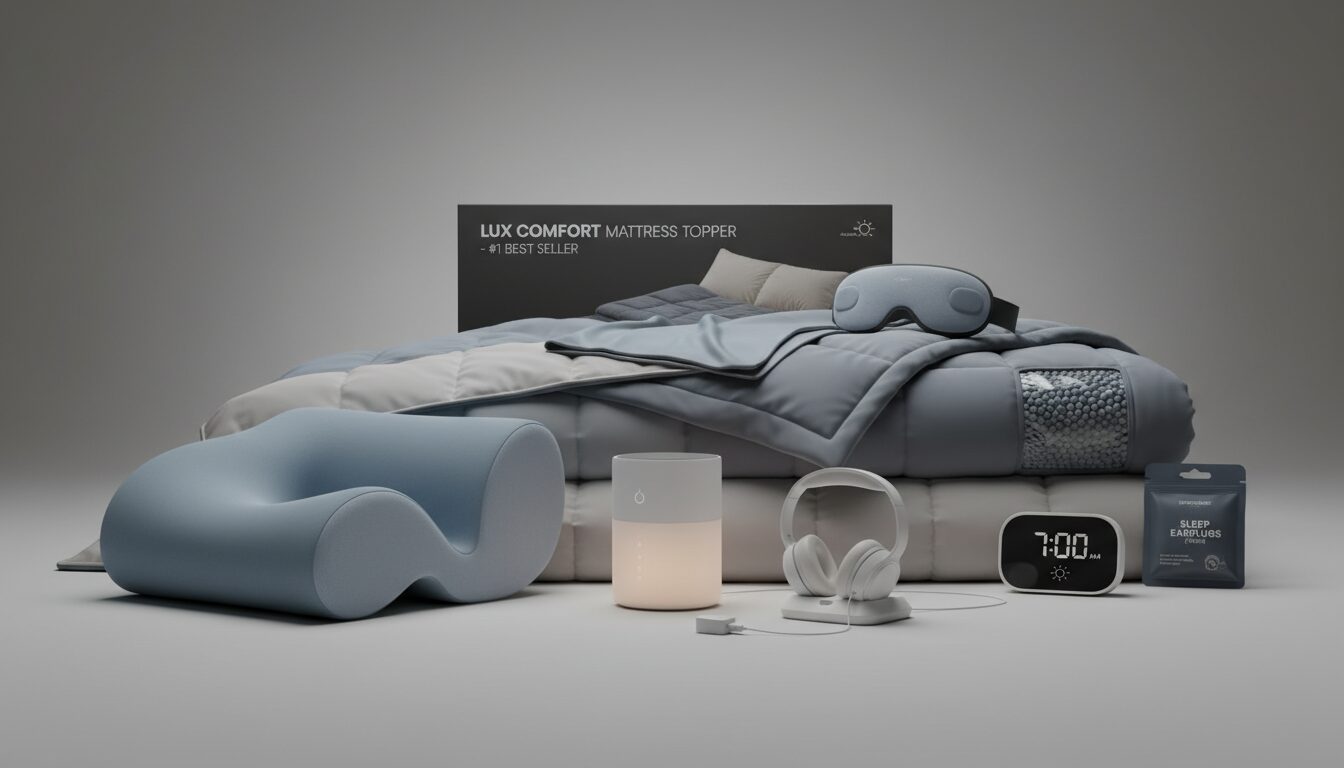
The pursuit of optimal sleep has transcended basic comfort, evolving into a sophisticated domain of biohacking and medical-grade home interventions. As we navigate through 2026, the intersection of sleep science and consumer technology has produced an unprecedented array of equipment designed to enhance sleep architecture, facilitate rapid onset, and maximize the restorative properties of the sleep cycle. The modern sleep environment is no longer just a bedroom; it is a controlled ecosystem where variables such as temperature, light frequency, air purity, and ergonomic alignment are meticulously managed through advanced hardware.
When you evaluate the current landscape of sleep equipment, you are observing the culmination of decades of polysomnography research and materials science. The primary objective of these tools is to achieve homeostatic balance, ensuring that the human body can transition seamlessly through the various stages of non-rapid eye movement (NREM) and rapid eye movement (REM) sleep. In the United States, where sleep deprivation has historically been linked to significant public health challenges, the adoption of high-performance sleep equipment has become a standard protocol for individuals seeking to maintain cognitive function, metabolic health, and emotional resilience.
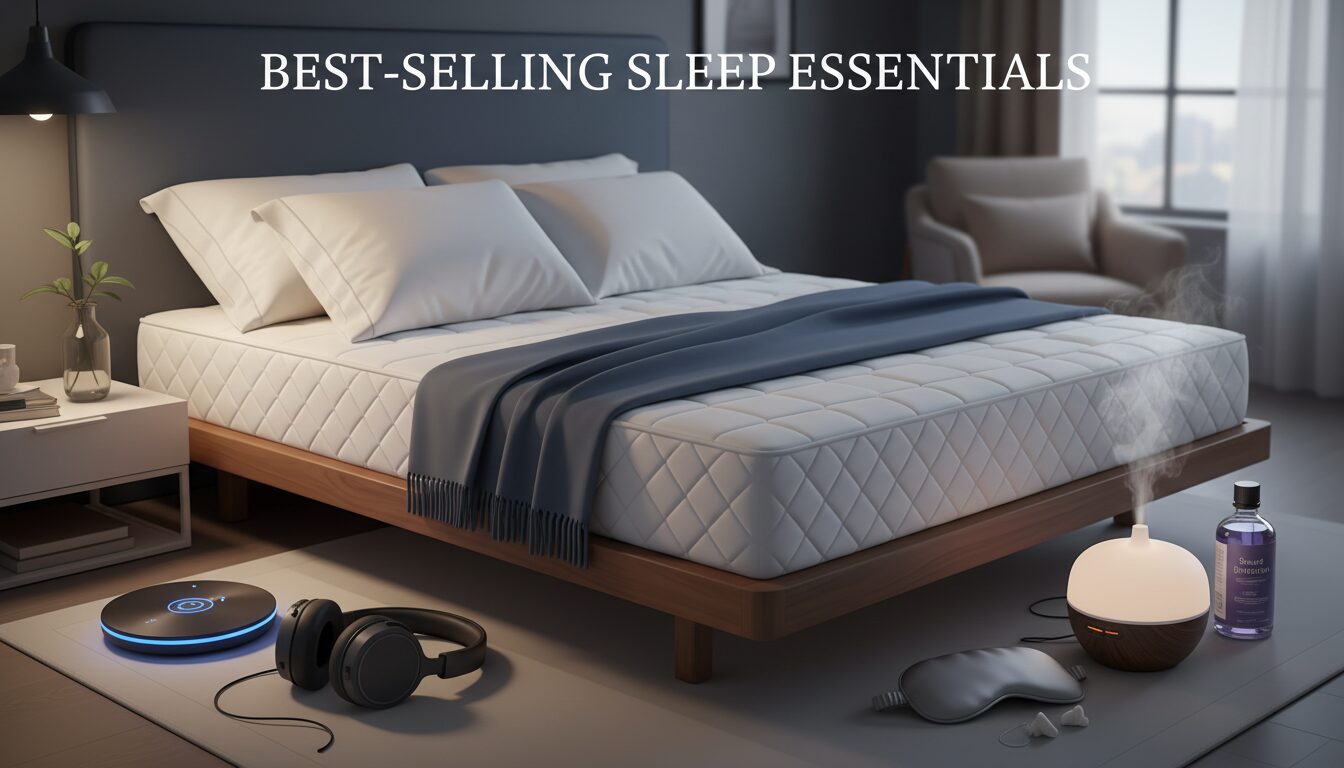
This guide provides an academic and technical overview of the best-selling sleep equipment categories that have come to define the industry in 2026. From adaptive mattress surfaces that utilize artificial intelligence to regulate firmness in real-time to wearable neuro-stimulators that entrain brainwaves for deeper rest, we will examine the mechanisms, clinical justifications, and practical applications of these essential tools. By understanding the physiological impact of your sleep environment, you can make informed decisions that align with your specific biological requirements and long-term wellness goals.
Table of Contents
- Adaptive Mattress Systems and Reactive Support Surfaces
- Biometric Pillows and Cervical Alignment Tools
- Intelligent Bed Bases and Positional Therapy
- Next-Generation Sleep Tracking Wearables and Nearables
- Thermodynamic Regulation: Active Cooling and Heating Systems
- Therapeutic Weighted Blankets and Proprioceptive Input
- Circadian Lighting and Optical Entrainment Devices
- Acoustic Conditioning: Soundscapes and Bone-Conduction Technology
- Environmental Optimization: HEPA 14 and Humidity Control
- Sustainable Materials: The Rise of Bio-Based Bedding
- Sleep Apnea and Respiratory Support Hardware
- Olfactory Delivery Systems and Sleep-Inducing Aromatherapy
- Future Horizons: Neural Interfaces and Closed-Loop Systems
- Frequently Asked Questions (FAQ)
- Key Takeaways
Adaptive Mattress Systems and Reactive Support Surfaces
The mattress industry in 2026 is dominated by “smart” hybrid systems that have moved far beyond static foam or coil structures. The highest-selling units today are characterized by their ability to provide reactive support. When you rest on a modern adaptive mattress, integrated sensors detect your heart rate, respiratory rate, and movement. This data is processed by local microprocessors to adjust the air-cell density or the tension of electromagnetic coils, ensuring that your spinal alignment remains neutral regardless of your sleeping position.
Research indicates that pressure point relief is critical for minimizing nocturnal awakenings. The latest best-sellers utilize Phase Change Materials (PCM) integrated into the top layers to facilitate thermal conduction. These materials absorb excess body heat and release it as the body cools, maintaining a consistent microclimate. Furthermore, the use of “memory-responsive” polymers has replaced traditional memory foam, offering faster recovery times and reducing the “quicksand” sensation that hindered movement in earlier iterations.
The Role of Density and Durability
High-density support layers are essential for longevity. Professional-grade mattresses now feature modular designs where individual components—such as the comfort layer or the core support unit—can be replaced independently. This not only promotes sustainability but also allows you to customize the firmness levels as your physiological needs change over time.
Biometric Pillows and Cervical Alignment Tools
The pillow has evolved from a simple cushion into a precision-engineered tool for cervical health. In 2026, the best-selling pillows are those that offer adjustable lofts and specialized contouring for specific sleep postures. For side sleepers, the focus is on maintaining a straight line from the thoracic spine through the cervical vertebrae. For back sleepers, the emphasis shifts to cradling the occipital region of the skull while supporting the natural curve of the neck.
Technological integration in pillows now includes embedded carbon-fiber cooling threads and, in premium models, thin-film sensors that monitor snoring. When you utilize a pillow with snore-detection technology, the device can gently vibrate or slightly adjust its height via a silent internal air bladder to encourage you to shift your head position, effectively opening the airway without fully awakening you.
| Feature | Traditional Pillow | 2026 Biometric Pillow |
|---|---|---|
| Material | Down or standard foam | Antimicrobial copper-infused polymer |
| Height Adjustment | Fixed | Dynamic air-bladder or modular inserts |
| Temperature Control | Passive | Active phase-change material (PCM) |
| Data Integration | None | Sleep stage and respiratory tracking |
Intelligent Bed Bases and Positional Therapy
The integration of adjustable bed bases into the average American household has reached record levels in 2026. These bases are no longer viewed as medical equipment for the elderly but as performance tools for all age groups. The “Zero Gravity” position—pioneered by NASA to alleviate pressure on the spine during launch—is a primary selling point. By elevating your head and feet to specific angles, you can significantly reduce lower back strain and improve venous return to the heart.
Modern intelligent bases also feature “Anti-Snore” modes. Using high-sensitivity microphones, the base detects the frequency of snoring and automatically elevates the head section by 7 to 12 degrees. This slight incline utilizes gravity to prevent the soft tissues in the throat from collapsing, a common cause of obstructive sleep apnea (OSA) symptoms.
Connectivity and Smart Home Integration
We recommend that you look for bases that interface with your broader home automation systems. In 2026, these bases synchronize with your smart curtains and lighting to create a “wake-up” routine, gently lifting you into a seated position as the room brightens, facilitating a more natural transition from sleep to wakefulness by suppressing melatonin production.
Next-Generation Sleep Tracking Wearables and Nearables
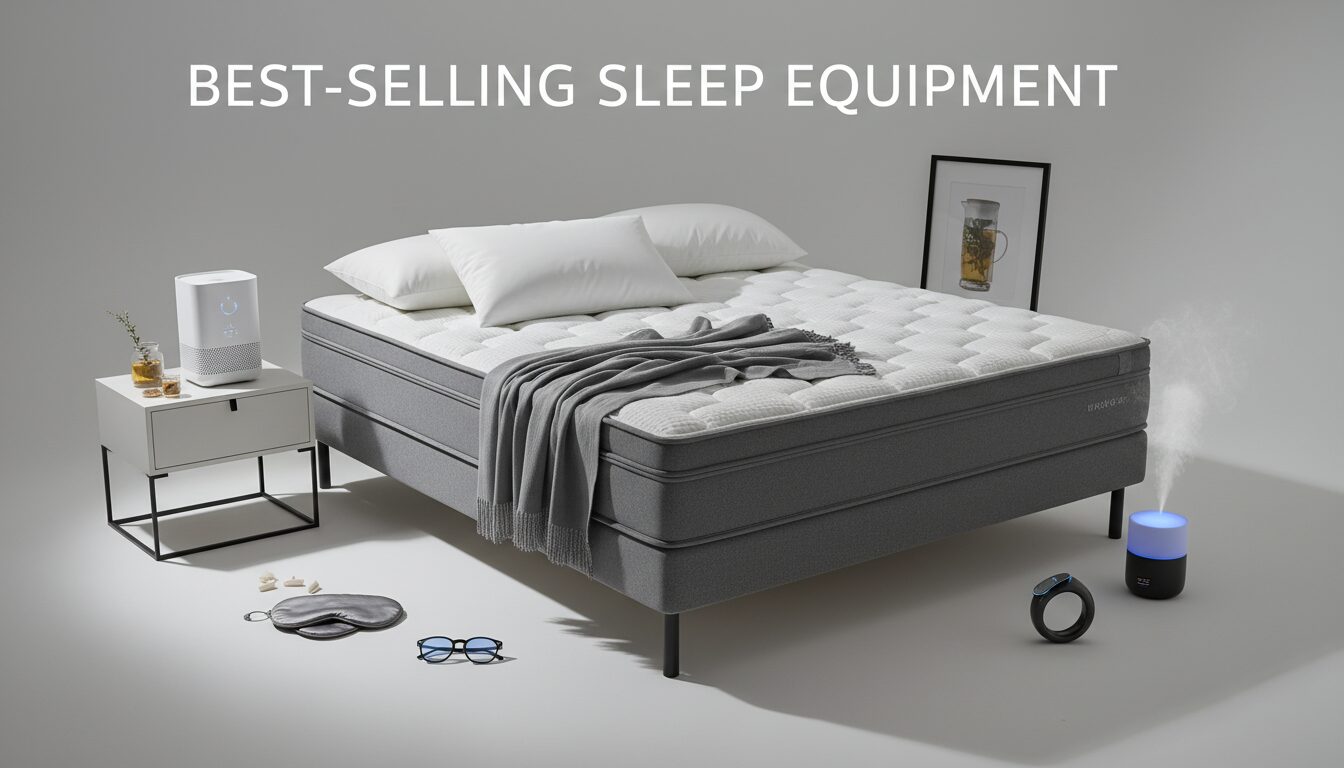
While early sleep trackers were criticized for their lack of accuracy compared to clinical polysomnography, the 2026 generation of wearables has bridged the gap. Best-selling devices now utilize multi-wavelength photoplethysmography (PPG) to track not only heart rate but also blood oxygen saturation (SpO2) and heart rate variability (HRV) with medical-grade precision.
A significant trend is the rise of “nearables”—devices that monitor sleep without physical contact. These utilize low-power radar or ultrasonic sensors placed on a nightstand to track movement and breathing patterns. For individuals who find wearable rings or wristbands intrusive, nearables offer a seamless way to collect data on sleep latency, duration, and efficiency.
“The shift from descriptive sleep tracking to prescriptive sleep coaching is the hallmark of 2026 technology. We are no longer just telling users how they slept; we are using AI to tell them exactly what environmental adjustments to make for the following night.” — Dr. Elena Sorenson, Chief Research Officer at the Sleep Health Institute.
Thermodynamic Regulation: Active Cooling and Heating Systems
Scientific consensus remains firm: the ideal ambient temperature for sleep is approximately 65 degrees Fahrenheit (18.3 degrees Celsius). However, maintaining this temperature can be energy-intensive and may not suit partners with different thermal preferences. This has led to the massive popularity of active bed cooling systems.
These systems typically consist of a control unit that circulates temperature-controlled water through a thin mattress pad. In 2026, these units have become nearly silent and highly energy-efficient. They allow you to set a “thermal schedule,” starting with a cool surface to facilitate sleep onset (which requires a drop in core body temperature) and gradually warming toward the morning to assist in the natural rise of cortisol.
| System Type | Mechanism | Primary Benefit |
|---|---|---|
| Water-Cooled Pads | Liquid circulation | High thermal conductivity; precise control |
| Air-Flow Toppers | Forced ambient air | Humidity reduction; breathability |
| PCM Fabrics | Chemical phase change | Passive; no power required |
Therapeutic Weighted Blankets and Proprioceptive Input
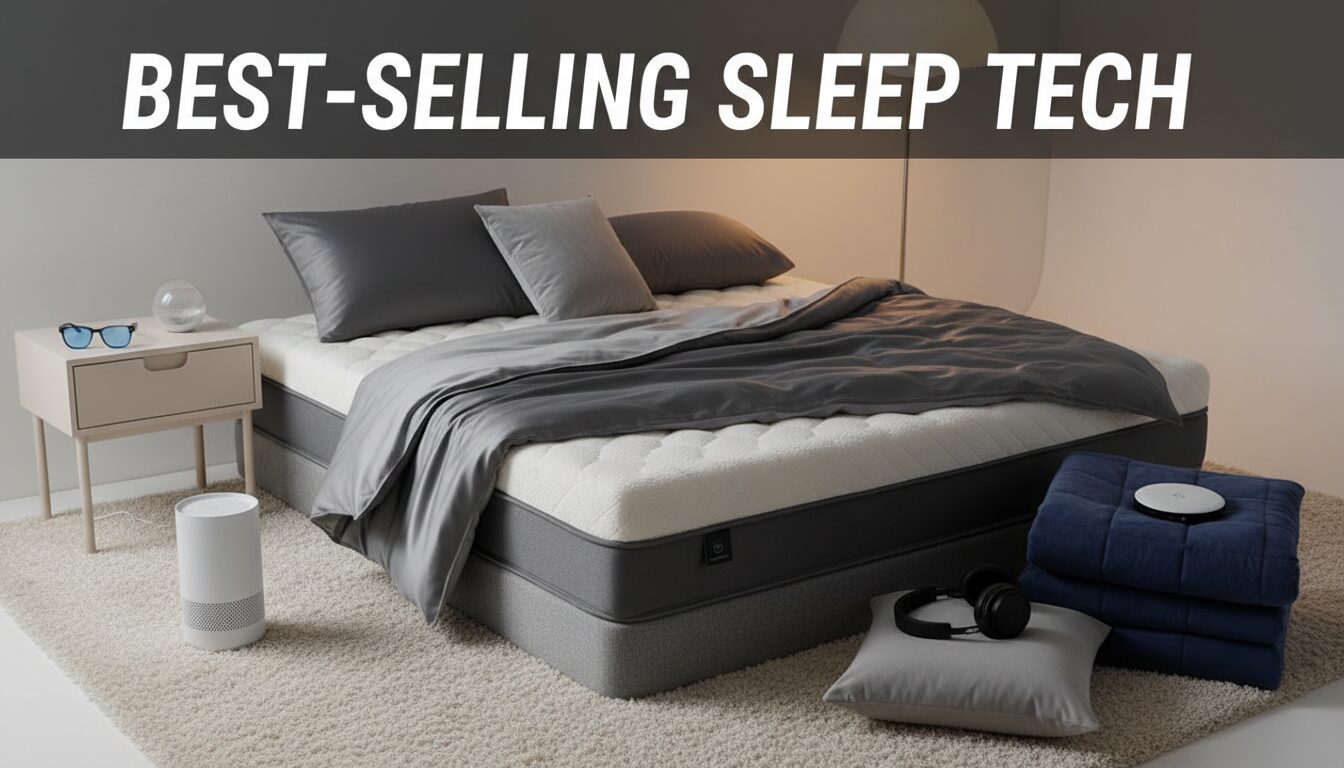
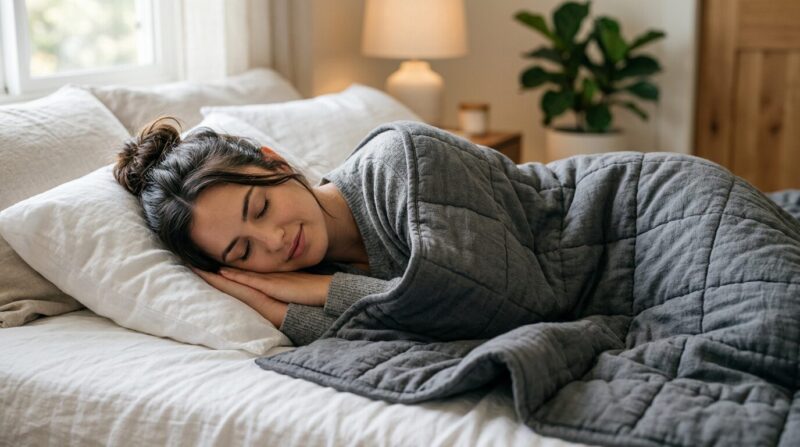
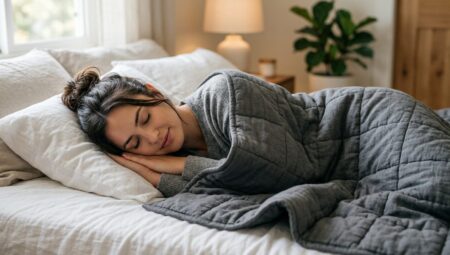
The use of Deep Pressure Stimulation (DPS) via weighted blankets has become a mainstream intervention for anxiety and insomnia. By applying a consistent, gentle pressure across the body, these blankets stimulate the production of serotonin while reducing cortisol levels. In 2026, the primary innovation in this category is the “breathable weight.”
Earlier models often led to overheating, which counteracted their benefits. Current best-sellers utilize high-density glass beads or stainless steel micro-spheres woven into moisture-wicking fabrics like Tencel or bamboo-derived viscose. This ensures that you receive the proprioceptive benefits of the weight without compromising your thermal comfort.
Circadian Lighting and Optical Entrainment Devices
Light is the most powerful “zeitgeber” (time-giver) for the human circadian rhythm. The widespread use of blue-light-emitting screens has historically disrupted sleep patterns, but 2026 has seen the rise of corrective lighting equipment. Best-selling items include smart bulbs that automatically shift from blue-rich light in the morning to amber and red wavelengths in the evening.
Furthermore, “dawn simulators” have become essential nightstand equipment. These devices mimic the gradual increase of natural sunlight, which helps to regulate the body’s internal clock and reduces “sleep inertia”—that feeling of grogginess upon waking. By stimulating the photoreceptors in the retina even through closed eyelids, these devices prepare the brain for wakefulness long before the alarm sounds.
Acoustic Conditioning: Soundscapes and Bone-Conduction Technology
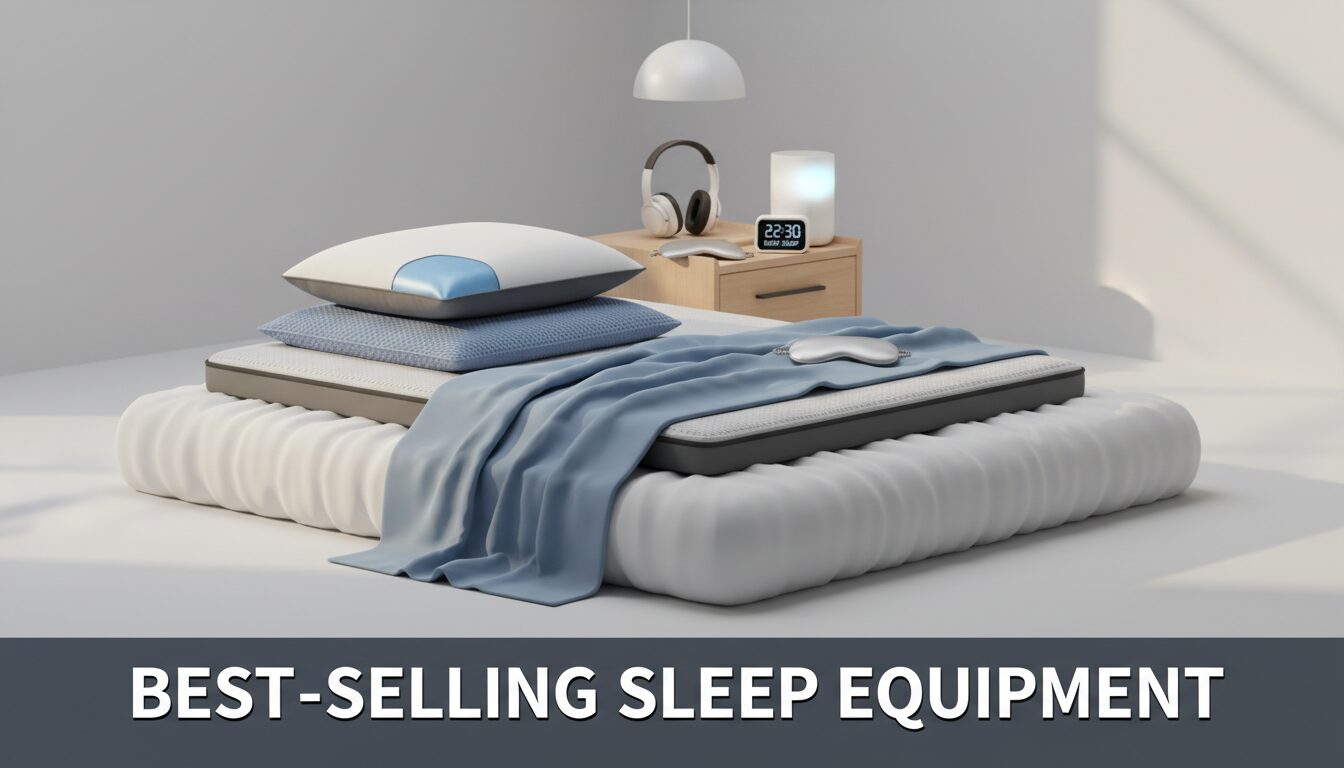
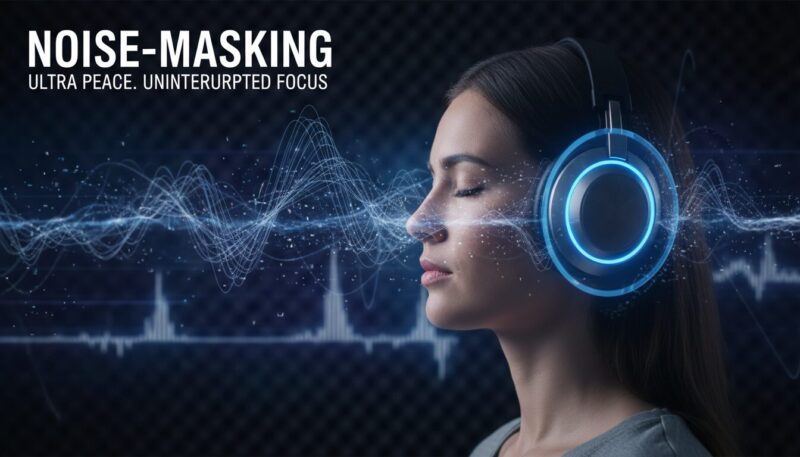
The auditory environment is a critical factor in sleep maintenance. In urban environments, noise pollution is a significant disruptor. The best-selling acoustic equipment in 2026 includes adaptive white noise machines and bone-conduction sleep masks.
Unlike traditional speakers, bone-conduction technology transmits sound through the bones of the skull directly to the inner ear. This allows you to listen to soothing “pink noise” or “brown noise” (which have higher power at lower frequencies compared to white noise) without the discomfort of earbuds. Many of these devices are now integrated into soft, washable headbands that double as total-blackout eye masks.
Frequency Specificity
We recommend utilizing pink noise for deep sleep enhancement. Recent studies have suggested that syncing pink noise pulses with the slow-wave oscillations of the brain can actually increase the duration of N3 (deep) sleep, potentially improving memory consolidation and physical recovery.
Environmental Optimization: HEPA 14 and Humidity Control
Air quality is an often-overlooked component of sleep hygiene. In 2026, best-selling air purifiers for bedrooms utilize HEPA 14 filtration, which is capable of capturing 99.99% of particles as small as 0.1 microns, including volatile organic compounds (VOCs) and common allergens. Clean air reduces respiratory irritation, which can otherwise lead to micro-awakenings.
Simultaneously, smart humidifiers have become a staple in American bedrooms, particularly in the northern states during winter. Maintaining a relative humidity level between 40% and 60% is essential for keeping the nasal passages and throat hydrated. Modern units use UV-C light to sterilize the water before it is aerosolized, ensuring that no bacteria or mold are introduced into the sleeping environment.
Sustainable Materials: The Rise of Bio-Based Bedding
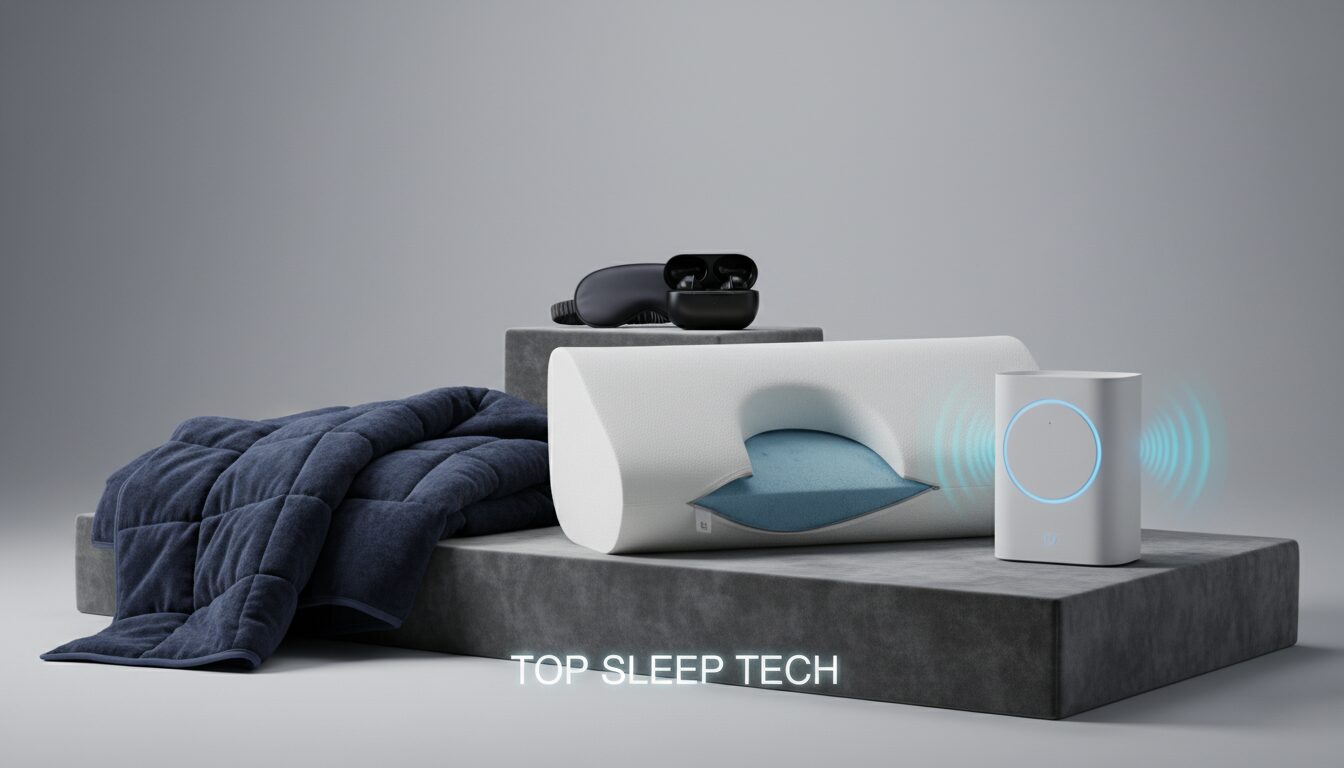
Consumer preferences in 2026 have shifted heavily toward environmental responsibility. The best-selling bedding sets are now made from GOTS-certified (Global Organic Textile Standard) organic cotton and innovative bio-polymers. When you select bedding, you are likely looking for the “OEKO-TEX Standard 100” label, which ensures the absence of harmful chemicals.
Bamboo-derived lyocell and seaweed-infused fibers are also seeing significant market growth. These materials are not only sustainable but also offer superior moisture-wicking properties and are naturally hypoallergenic. In an era where “micro-plastics” are a major concern, the move toward natural, biodegradable fibers in sleep equipment is both a health-conscious and an environmentally conscious choice.
Sleep Apnea and Respiratory Support Hardware
With the increasing diagnosis of sleep-disordered breathing, Continuous Positive Airway Pressure (CPAP) machines have undergone a radical redesign. The best-selling units in 2026 are ultra-portable, whisper-quiet, and feature “cloud-linked” compliance tracking. These devices use adaptive pressure algorithms that adjust the airflow breath-by-breath, providing only the minimum pressure required to keep the airway open.
For those with mild to moderate apnea, mandibular advancement devices (MADs)—custom-fitted oral appliances—have become a popular alternative. These devices are now frequently 3D-printed based on a digital scan of your teeth, ensuring a perfect fit that shifts the jaw forward to prevent airway collapse.
| Device Type | Target Condition | Key Advantage (2026) |
|---|---|---|
| Smart CPAP | Severe Sleep Apnea | AI-driven pressure modulation |
| 3D-Printed MAD | Mild/Moderate Apnea | High comfort; no power needed |
| Positional Trainers | Positional Snoring | Prevents back-sleeping via vibration |
Olfactory Delivery Systems and Sleep-Inducing Aromatherapy
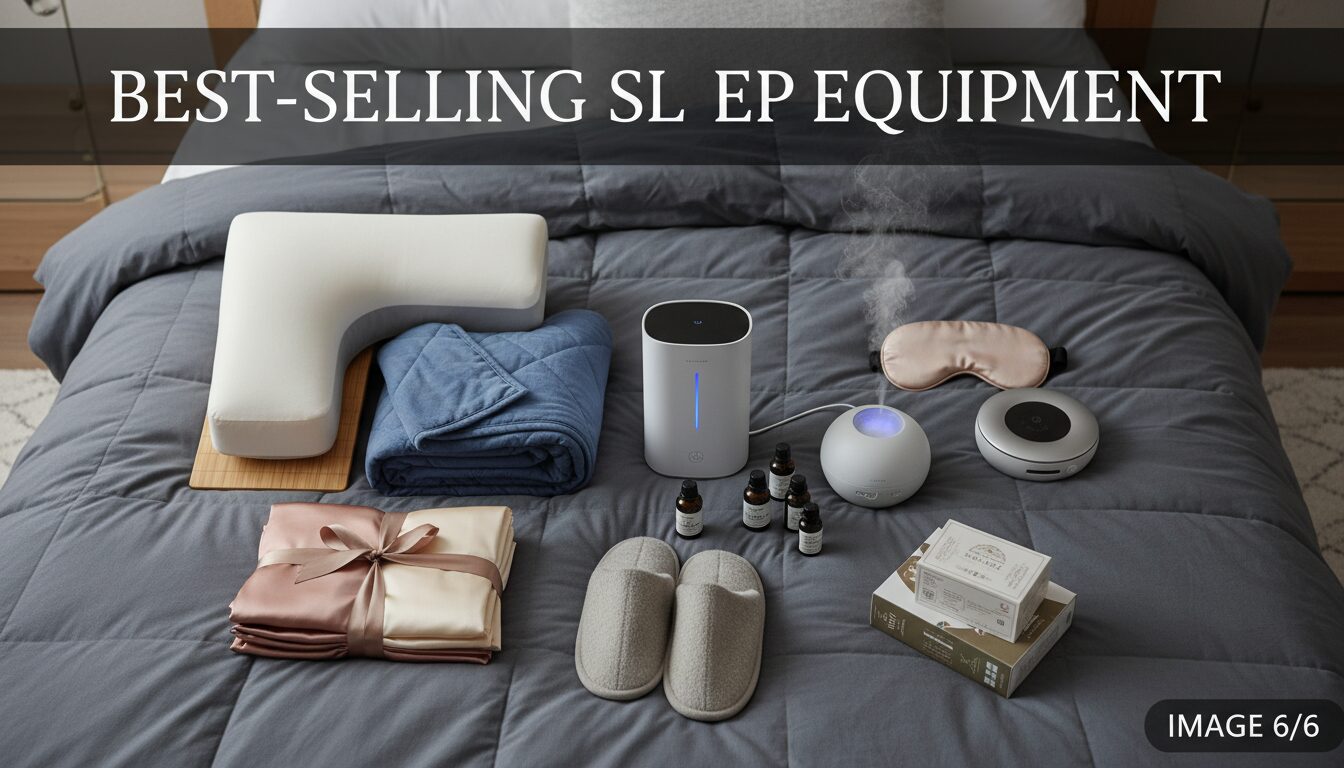
The olfactory bulb has a direct connection to the limbic system, the part of the brain responsible for emotion and relaxation. In 2026, aromatherapy has been modernized through “dry-air” nebulizers. These devices do not use water or heat, which can alter the chemical composition of essential oils; instead, they use cold-air diffusion to disperse a fine mist of pure oil.
Lavender (Lavandula angustifolia) remains the gold standard for sleep induction due to its high concentration of linalool and linalyl acetate. However, new blends incorporating Valerian root and Cedarwood are gaining popularity. The most advanced systems are programmable, allowing you to trigger a “relaxation scent” 30 minutes before bed and a “revitalizing citrus scent” at your wake-up time.
Future Horizons: Neural Interfaces and Closed-Loop Systems
As we look toward the end of 2026 and into 2027, the frontier of sleep equipment is moving toward closed-loop neural stimulation. These are non-invasive headbands that monitor EEG (electroencephalogram) signals in real-time. When the device detects that you are entering deep sleep, it delivers gentle acoustic or transcranial electrical stimulation (tES) to “amplify” the slow-wave activity.
While still largely used by high-performance athletes and early adopters, these systems represent the future of sleep equipment. They move beyond passive support and environmental control into active modulation of the brain’s sleep-wake architecture. The data suggests that such interventions can significantly improve the “quality-to-time” ratio of sleep, making six hours of stimulated sleep as restorative as eight hours of traditional sleep.
Statistics on Sleep Equipment Adoption (2026)
According to the National Sleep Foundation’s 2026 Report:
- 68% of American households now utilize at least one “smart” sleep device (tracker, base, or mattress).
- 42% of consumers prioritize “thermal regulation” features above all other mattress attributes.
- The market for wearable sleep technology has grown by 215% since 2022, driven by improvements in biometric accuracy.
- Eco-certified bedding accounts for 55% of all new bedding sales in the United States, reflecting a shift toward non-toxic materials.
Frequently Asked Questions (FAQ)
1. Are smart mattresses worth the investment compared to high-quality traditional ones?
In 2026, the value of a smart mattress lies in its ability to adapt to your body’s changing needs over time. While a traditional high-quality mattress provides static support, a smart system can compensate for changes in weight, injury, or sleeping position. If you suffer from chronic back pain or frequently disrupted sleep, the real-time adjustments and data insights often justify the higher price point.
2. How do weighted blankets help with insomnia?
Weighted blankets work through “Deep Pressure Stimulation,” which mimics the sensation of being held or hugged. This physical input increases the release of dopamine and serotonin in the brain while lowering the heart rate. For many, this reduces the “racing thoughts” often associated with insomnia, facilitating a faster transition into the first stage of sleep.
3. Is it safe to wear sleep-tracking rings or wristbands every night?
Yes, modern sleep trackers are designed for long-term wear. They utilize low-energy Bluetooth (BLE) and medical-grade materials that are hypoallergenic. The radiofrequency exposure is significantly lower than that of a smartphone, and the benefits of the data collected—such as identifying potential sleep apnea or tracking recovery—usually outweigh any minor concerns for the average user.
4. What is the benefit of a “Zero Gravity” bed base?
The Zero Gravity position elevates the head and knees slightly above the level of the heart. This mimics the neutral body posture that the human body naturally assumes in a weightless environment. It reduces the pull of gravity on the spine, eases pressure on the hips, and can help alleviate symptoms of acid reflux and poor circulation.
5. Can lighting really change how I feel in the morning?
Absolutely. The human body is biologically programmed to respond to the color temperature of light. Exposure to bright blue light in the morning suppresses melatonin and triggers the release of cortisol, which helps you feel alert. Conversely, avoiding blue light and using red-shifted light in the evening allows your natural melatonin production to begin, making it much easier to fall asleep.
Key Takeaways
* Personalization is Paramount: The best-selling equipment in 2026 focuses on “dynamic adjustment”—whether it’s a mattress that changes firmness or a pillow with adjustable loft.
* Thermal Management is Critical: Achieving and maintaining a cool core body temperature is the most effective way to improve sleep latency and deep sleep duration.
* Data-Driven Decisions: Utilizing high-accuracy trackers allows you to see exactly which environmental changes (like air purity or soundscapes) are actually improving your sleep architecture.
* Holistic Integration: The most effective sleep environments synchronize lighting, sound, and temperature into a single “sleep ecosystem” controlled via a central hub.
* Material Safety: Prioritizing organic, non-toxic, and breathable materials is essential for both long-term health and environmental sustainability.
Conclusion
The landscape of sleep equipment in 2026 reflects a sophisticated understanding of human physiology. We have moved beyond the era of “one size fits all” solutions, entering a period defined by precision, automation, and biological synchronization. When you invest in modern sleep equipment, you are not merely purchasing furniture; you are acquiring a suite of tools designed to optimize one-third of your life.
From the adaptive support of reactive mattresses to the circadian entrainment of smart lighting systems, the best-selling items of today are those that work in harmony with the body’s natural rhythms. As the technology continues to advance toward neural interfaces and AI-driven environment management, the potential for achieving truly restorative sleep has never been greater. We recommend that you approach your sleep environment as a critical component of your overall health infrastructure, selecting equipment that addresses your unique biometric needs and promotes a state of deep, uninterrupted recovery. By mastering your sleep environment, you empower yourself to perform at your peak during your waking hours, ensuring long-term cognitive and physical vitality.