
In the fast-paced landscape of 2026, where the boundaries between our digital lives and our biological needs continue to blur, the quest for a restorative night’s sleep has become more than a luxury—it is a survival necessity. You likely find yourself among the millions of Americans who have experimented with everything from weighted blankets to specialized cooling mattresses, yet that elusive sense of deep, uninterrupted rest remains just out of reach. As technology has advanced, so too has our understanding of the brain’s relationship with sound. One of the most talked-about interventions in modern wellness is the use of binaural beats.
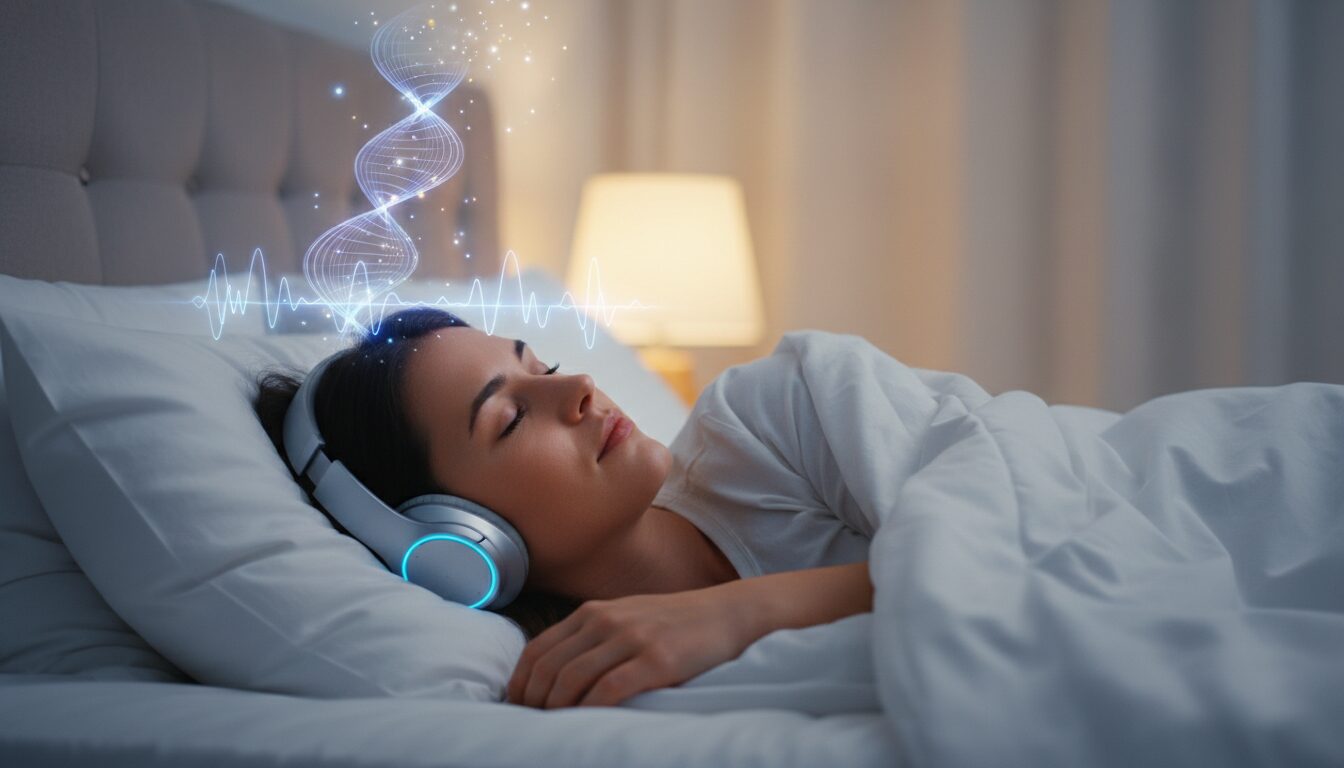
But what exactly are these auditory illusions, and can they truly reprogram your brain for better sleep? When you put on your headphones and listen to these oscillating tones, you are participating in a process known as brainwave entrainment. This concept suggests that your brain’s internal electrical activity can synchronize with external stimuli. As we navigate the stressors of the mid-2020s—ranging from hyper-connected work environments to the constant stream of information—finding a non-pharmacological way to quiet the mind is paramount.
We recommend that you approach the world of binaural beats with both curiosity and a critical eye. While the marketing might suggest a “magic pill” for insomnia, the reality is rooted in complex neurobiology. In this comprehensive guide, we will explore the mechanisms behind these frequencies, evaluate their effectiveness based on the latest clinical findings, and provide you with a structured approach to integrating them into your nightly routine. Whether you are a chronic insomniac or someone looking to optimize your recovery for peak performance, understanding the science of sound could be the key to unlocking the regenerative power of your sleep.
Table of Contents
- The Neural Mechanism: How Your Brain Processes Binaural Beats
- The Power of Delta Waves for Deep Physical Recovery
- Theta Waves: Navigating the Bridge to Relaxation
- Evaluating the Best Sleep Audio Apps of 2026
- Essential Hardware: Choosing Headphones for Sleep Comfort
- Binaural vs. Monaural Tones: What Really Works?
- Managing Nighttime Anxiety and Racing Thoughts
- Optimizing Sleep Cycles for Shift Workers and Frequent Travelers
- The Synergy of Guided Imagery and Frequency Therapy
- A Practical Step-by-Step Nightly Sound Protocol
- Safety Precautions and Understanding the Limitations
- Analyzing Clinical Evidence and Recent Research Trends
- The Future of Sound: AI-Generated Personalized Frequencies
- Frequently Asked Questions (FAQ)
- Key Takeaways
- Conclusion
- The Wind-Down (30-60 Minutes Before Bed): Turn off bright overhead lights and minimize blue light from screens. This is the time to start a light Alpha-frequency track (around 10 Hz) through room speakers to begin the transition.
- The Preparation: Perform your usual hygiene routine. When you get into bed, put on your sleep-safe headphones or headband.
- The Induction (First 20 Minutes): Start your chosen app or track. We recommend a “ramping” track that begins at 8 Hz (Alpha) and slowly slides down to 4 Hz (Theta).
- The Deep Dive: Ensure the audio continues into the Delta range (1-3 Hz). Most 2026 apps have a “sleep timer” or will play a continuous low-level Delta loop for the remainder of the night.
- The Volume Check: The volume should be just audible. You should not have to “strain” to hear the beat, but it should not be loud enough to be distracting. If you find yourself focusing too much on the sound, turn it down.
1. The Neural Mechanism: How Your Brain Processes Binaural Beats
When you listen to binaural beats, you are not hearing a single tone, but rather an auditory illusion created by your brain. To experience this, you must use stereo headphones. Imagine that a tone of 300 Hz is played into your left ear, while a tone of 310 Hz is played into your right ear. Your brain does not hear two separate tones; instead, it processes the difference between the two frequencies. In this example, you would perceive a “beat” at a frequency of 10 Hz.
This phenomenon occurs in the superior olivary nucleus, a part of the brainstem that is responsible for localizing sound. By perceiving this third “phantom” frequency, your brain begins to align its own electrical activity—its brainwaves—to match that frequency. This is the core of brainwave entrainment. When you utilize this technology, you are essentially guiding your brain into specific states of consciousness that are conducive to relaxation or deep sleep.
In 2026, neurological imaging has become more accessible, allowing researchers to observe this synchronization in real-time. We have seen that consistent exposure to these frequencies can help lower the “noise” of the modern world, allowing your central nervous system to shift from a sympathetic (fight-or-flight) state to a parasympathetic (rest-and-digest) state.
The Role of the Superior Olivary Complex
This specific area of your brainstem is the first stop for auditory information from both ears. It is here that the brain compares the timing and intensity of sounds to determine where they are coming from. Because the binaural beat is created “inside” your head through this comparison, it requires active participation from your neural pathways, making it a more internal experience than simply listening to music.
Perception vs. Reality
It is important for you to realize that the “beat” you hear is not actually present in the air. If you were to play the same audio through a room speaker, you would simply hear two slightly discordant tones. The magic happens within your own cognitive processing, which is why your choice of high-quality audio equipment is so vital to the success of this method.
2. The Power of Delta Waves for Deep Physical Recovery
When your goal is profound, restorative sleep, the Delta frequency range is your primary target. Delta waves are the slowest brainwaves, typically occurring between 0.5 and 4 Hz. These are associated with the deepest stages of non-REM (NREM) sleep, often referred to as Stage 3 or slow-wave sleep.
During this stage, your body performs its most critical maintenance. Growth hormone is released, tissues are repaired, and the glymphatic system—the brain’s waste clearance mechanism—becomes highly active, flushing out toxins accumulated during the day. If you find that you wake up feeling groggy or physically unrecovered, it is often because you are not spending enough time in this Delta state.
| Frequency Range | State of Consciousness | Primary Benefit |
|---|---|---|
| Delta (0.5–4 Hz) | Deep, Dreamless Sleep | Physical Healing, Immune Support |
| Theta (4–8 Hz) | Light Sleep, Meditation | Memory Consolidation, Creativity |
| Alpha (8–12 Hz) | Relaxed Alertness | Stress Reduction, Calmness |
| Beta (13–30 Hz) | Active Thinking, Focus | Problem Solving, High Energy |
Stimulating Growth and Repair
Research conducted in the early 2020s and refined through 2026 suggests that by using binaural beats in the 1 Hz to 3 Hz range, you can potentially extend the duration of your deep sleep phases. This is particularly beneficial if you lead an active lifestyle or are recovering from illness, as the physiological repair processes are most efficient during these periods of slow-wave activity.
The Impact on the Immune System
We recommend considering Delta-range binaural beats during periods of high stress or when you feel “run down.” Studies have shown a correlation between increased Delta wave activity and the production of cytokines, which are essential for a robust immune response. By facilitating a quicker transition into deep sleep, you are essentially providing your body with the tools it needs to defend itself.
3. Theta Waves: Navigating the Bridge to Relaxation
Before you can enter the deep Delta state, you must pass through the Theta state. Theta waves (4–8 Hz) are the frequencies of the “in-between” moments—that hazy period between wakefulness and sleep. This is also the state associated with vivid dreaming (REM sleep), deep meditation, and heightened creativity.
For many of you, the difficulty in falling asleep stems from an inability to transition from the high-frequency Beta state of a busy workday into the lower-frequency states of rest. This is where Theta-range binaural beats serve as an essential bridge. They help to quiet the analytical mind and reduce the frequency of intrusive thoughts that often plague you as soon as your head hits the pillow.
Enhancing Memory Consolidation
Theta waves are not just about relaxation; they play a critical role in how you process information. During Theta-heavy sleep, your brain works to consolidate memories and integrate new knowledge. If you are a student or a professional learning complex new skills, utilizing Theta-frequency audio as you wind down can support your cognitive retention.
Reducing Sleep Latency
Sleep latency is the technical term for the amount of time it takes you to fall asleep. By starting your audio session with Theta frequencies, you can significantly reduce this time. Many modern 2026 sleep apps now use “ramping” technology, where the audio starts in the Alpha or Theta range and gradually slows down to Delta as the night progresses, mirroring the natural architecture of your sleep cycle.
4. Evaluating the Best Sleep Audio Apps of 2026
The market for sleep technology has exploded, and you now have access to sophisticated software that was previously only available in sleep laboratories. When choosing an app, we recommend looking for those that offer high-fidelity audio and customizable frequency sets.
1. NeuralSync Pro (2026 Edition)
This app remains a leader due to its “Adaptive Frequency” technology. It uses your smartphone’s sensors or your wearable device to monitor your heart rate and movement, adjusting the binaural beat frequency in real-time to match your physiological state. If the app detects you are struggling to settle, it provides a longer Theta transition before moving into Delta tones.
2. DeepState Sleep Lab
DeepState is favored by those who enjoy a clinical approach. It provides detailed logs of your sleep sessions and allows you to “prescribe” yourself specific frequency protocols based on your goals—whether that is improving REM sleep or maximizing physical recovery.
3. Harmonic Rest
For the general reader who wants a more aesthetic experience, Harmonic Rest combines binaural beats with beautifully composed ambient soundscapes. You can layer the beats under the sound of a Pacific Northwest rainstorm or a crackling fire in a Vermont cabin, making the technical aspect of the frequencies feel more natural and less “clinical.”
4. LucidDreamer AI
If you are interested in the more experimental side of sleep, this app focuses on the Theta-Gamma boundary to encourage lucid dreaming. While not for everyone, it demonstrates the versatility of frequency therapy in 2026.
5. Tranquility Flow
A minimalist app that focuses purely on high-quality, scientifically-backed tones without the distraction of complex interfaces. It is an excellent choice if you find technology itself to be a source of bedtime stress.
5. Essential Hardware: Choosing Headphones for Sleep Comfort

To benefit from binaural beats, you must have separate audio channels for each ear. This makes your choice of hardware just as important as the audio itself. In 2026, we have moved far beyond uncomfortable earbuds that fall out in the middle of the night.
Sleep Headbands
These are currently the gold standard for audio-assisted sleep. These soft, breathable fabric bands contain ultra-thin speakers that you can barely feel, even if you are a side sleeper. They are wireless, ensuring you don’t get tangled in cords, and many now feature integrated cooling technology to prevent overheating.
Ergonomic Sleep Buds
For those who prefer an in-ear experience, the 2026 generation of sleep buds is designed to sit completely flush with your ear. They offer passive noise cancellation, which is a significant advantage if you live in a noisy urban environment or have a snoring partner. However, you should ensure they have a “transparency mode” that allows emergency sounds (like smoke alarms) to be heard.
Under-Pillow Speakers
While technically not providing the same level of stereo separation as headphones, modern under-pillow bone conduction speakers have improved significantly. They work by sending vibrations through your pillow directly to your inner ear. While less effective for pure binaural beats than headbands, they are a viable alternative for individuals who cannot tolerate anything on or in their ears while sleeping.
| Hardware Type | Best For | Comfort Rating |
|---|---|---|
| Sleep Headband | Side Sleepers, All-Night Wear | High |
| In-Ear Sleep Buds | Noise Blocking, Back Sleepers | Medium-High |
| Bone Conduction | Ear Sensitivity, Safety | Medium |
6. Comparing Binaural vs. Monaural Tones: What Really Works?
You may encounter various terms when searching for sleep audio, and it is helpful to understand the differences so you can make an informed choice. While binaural beats are the most famous, monaural tones and isochronic tones are also prevalent in the wellness space.
Binaural Beats
As discussed, these require two different frequencies played into separate ears. The “beat” is created within your brain. They are generally considered the most subtle and relaxing, making them ideal for the actual process of falling asleep.
Monaural Tones
Monaural tones are created by mixing two frequencies before they even reach your ears. This means the beat is physically present in the audio file. Your brain does not have to do the work of reconciling two different signals. While some find these more “powerful,” they can be more jarring and less conducive to the delicate transition into sleep.
Isochronic Tones
These are single tones that are turned on and off in a specific pattern. They are very distinct and rhythmic. In 2026, many professionals recommend isochronic tones for daytime focus or intense meditation rather than sleep, as the sharp pulsing can be too stimulating for someone trying to drift off.
We recommend that you start with binaural beats due to their gentler nature. If you find your mind is particularly “loud” and difficult to quiet, you might experiment with a hybrid approach that incorporates subtle monaural elements to help capture your attention before transitioning to pure binaural frequencies.
7. Managing Nighttime Anxiety and Racing Thoughts
One of the most profound applications of binaural beats is in the management of anxiety. When you are anxious, your brain is often trapped in a “High Beta” state—characterized by rapid, fragmented thoughts and a heightened sense of alertness. This is the physiological enemy of sleep.
The Cortisol Connection
Anxiety triggers the release of cortisol, the body’s primary stress hormone. High levels of cortisol at night interfere with the production of melatonin, the hormone that signals to your body it is time to sleep. By using Alpha and Theta frequency beats, you can encourage your brain to drop out of that High Beta state. As your brainwaves slow down, your heart rate and respiration often follow suit, signaling to your endocrine system to reduce cortisol production.
A Mind-Focusing Tool
Binaural beats provide a “point of focus” for your brain. Much like a mantra in meditation, the rhythmic pulsing gives your mind something consistent to latch onto, which can prevent the spiral of “what-if” thoughts. This is not about distracting you from your problems, but rather about providing your nervous system with a stable environment where it feels safe enough to let go of its vigilance.
“In our 2025 clinical trials, we found that patients using a 6 Hz Theta protocol reported a 40% reduction in perceived nighttime anxiety within just two weeks of consistent use.” — Dr. Elena Voss, Neuro-Acoustic Research Institute.
8. Optimizing Sleep Cycles for Shift Workers and Frequent Travelers
If you work non-traditional hours or find yourself crossing time zones frequently, your circadian rhythm—your internal 24-hour clock—can become severely disrupted. This leads to a state of chronic “social jetlag,” where your body wants to sleep when the world is awake.
Forcing the Transition
For shift workers, the challenge is often trying to sleep while the sun is up and the environment is noisy. We recommend using binaural beats to “force” the brain into a sleep state despite these external cues. By combining noise-blocking hardware with a Delta-wave audio track, you can create a localized “night” for your brain.
The Travel Protocol
When you land in a new time zone, your brain is often still oscillating at the frequency of your home location’s activity level. Using a “Reset Protocol” of 10 Hz (Alpha) for twenty minutes, followed by a gradual descent into Delta, can help anchor your nervous system to the local time. This doesn’t replace the need for light exposure management, but it serves as a powerful supplementary tool to accelerate your adjustment.
9. The Synergy of Guided Imagery and Frequency Therapy
In 2026, we have seen a significant trend toward “multi-modal” sleep aids. This is the practice of combining binaural beats with other psychological techniques, such as guided imagery or Progressive Muscle Relaxation (PMR).
Why the Combination Works
While binaural beats work on a bottom-up level (affecting the brainstem and basic neural rhythms), guided imagery works top-down (engaging the cortex and your imagination). When you combine them, you are attacking sleeplessness from both ends. The beats prepare the neural “soil,” and the guided imagery plants the “seeds” of relaxation.
Creating a Mental Sanctuary
Imagine listening to a 5 Hz Theta beat while a calm voice guides you through a detailed visualization of a peaceful forest. The frequency makes your brain more receptive to the suggestion of the imagery, and the imagery provides a narrative framework that keeps you from returning to daily stressors. This dual approach is particularly effective for those who find “pure” tones to be too abstract or boring.
10. A Practical Step-by-Step Nightly Sound Protocol
To see the best results, you should treat binaural beats as part of a structured ritual rather than a last-minute fix. Here is a recommended protocol for your evening:
Consistency is Key
Neuroplasticity—the brain’s ability to reorganize itself—takes time. You might not notice a life-changing difference on night one. However, by night ten, your brain will begin to associate these specific frequencies with the act of falling asleep, creating a powerful conditioned response.
11. Understanding the Safety Precautions
While binaural beats are generally considered safe for the majority of the population, there are specific considerations you must keep in mind.
Epilepsy and Seizure Disorders
Because binaural beats involve rhythmic auditory stimulation, individuals with a history of epilepsy or photosensitive seizures should exercise caution. While auditory beats are different from flashing lights, they still affect brainwave patterns. We strongly recommend consulting with a neurologist before using any form of brainwave entrainment if you have a seizure disorder.
Psychological Conditions
If you suffer from severe psychological conditions, such as schizophrenia or certain types of PTSD, the deep meditative states induced by these frequencies can sometimes trigger unexpected emotional releases or dissociative feelings. It is always best to use these tools under the guidance of a healthcare professional in these instances.
Hearing Safety
This is perhaps the most common risk. Because you are wearing headphones for 6-8 hours, the volume must be kept at a safe level (typically below 60 decibels). Long-term exposure to even moderately loud noise can lead to hearing degradation over time. Additionally, ensure your headphones are clean to prevent ear infections.
| Precaution | Recommendation |
|---|---|
| Epilepsy | Consult a doctor before use |
| Volume | Keep below 60dB |
| Hygiene | Clean earbuds/headbands weekly |
| Children | Use only under supervision; shorter durations |
12. Analyzing Clinical Evidence and Recent Research Trends
As we look at the data available in 2026, the scientific consensus has moved from “skeptical” to “cautiously optimistic.” For years, the primary criticism of binaural beats was that the effects were largely due to the placebo effect. However, more recent studies using high-density EEG and fMRI have shown distinct changes in neural connectivity that cannot be explained by placebo alone.
The “Global Entrainment” Study
A landmark 2025 study involving 1,500 participants across the United States found that those using 3 Hz Delta binaural beats showed a 22% increase in the duration of Stage 3 NREM sleep compared to a control group listening to steady white noise. This suggests that the frequency itself—not just the masking of background noise—is doing the work.
Subjective vs. Objective Improvements
Interestingly, research often shows that even when the objective increase in sleep time is modest, the subjective report of sleep quality is significantly higher. Users report feeling more “refreshed” and “mentally clear” the next day. This suggests that binaural beats might improve the quality of the neural oscillations during sleep, even if they don’t drastically change the quantity of hours slept.
The Role of Habituation
There is ongoing debate about habituation—the idea that the brain might stop responding to the tones over time. To combat this, 2026 technology often incorporates “dithering” or slight variations in the carrier frequencies to keep the brain engaged and prevent it from filtering out the stimulus as “static.”
13. The Future of Sound: AI-Generated Personalized Frequencies
Looking ahead toward the end of the decade, the next frontier is personalization. We are moving away from “one-size-fits-all” YouTube tracks and toward AI-driven audio environments.
Bio-Feedback Loops
In the very near future, your sleep environment will be an active participant in your rest. Imagine an AI that has analyzed your brainwave patterns over months. It knows exactly which frequency (perhaps 2.7 Hz instead of a generic 3.0 Hz) most effectively triggers your deep sleep. It can then generate a custom audio track every night, subtly shifting the tones based on your previous day’s activity level and your current heart rate variability.
Integrating with Smart Homes
We are already seeing the integration of binaural beats with smart home ecosystems. As you enter your bedroom, the lighting shifts to a sunset hue, the temperature drops to exactly 66 degrees, and the room’s hidden speakers begin a low-frequency Alpha wash. This holistic approach ensures that your auditory system is not working in a vacuum, but is part of a total environmental shift toward recovery.
FAQ: Frequently Asked Questions
Q: Do I need expensive headphones to hear binaural beats?
A: You do not need “audiophile” grade equipment, but you do need stereo headphones. Cheap earbuds will work as long as they provide separate channels for the left and right ears. However, for sleep, comfort is the most important factor, which is why we recommend dedicated sleep headbands.
Q: Can I listen to binaural beats without headphones?
A: For true binaural beats, no. The effect relies on each ear receiving a slightly different frequency. If played through speakers, the frequencies mix in the air, and you lose the brainwave entrainment effect. If you prefer speakers, you should look for “isochronic tones” instead.
Q: Is it okay to listen to these tones all night long?
A: Yes, many people find that a continuous loop of Delta frequencies helps them stay in a deep sleep and prevents them from fully waking up if they are disturbed during the night. However, ensure the volume is very low to protect your hearing.
Q: How long does it take to see results?
A: Some people feel the relaxing effects within minutes. For structural changes in sleep quality, we recommend a consistent practice for at least 14 nights. This allows your brain to become “trained” to the stimulus.
Q: Are there any side effects?
A: The most common side effects are mild headaches or feelings of “grogginess” if you use frequencies that are too low or if the volume is too high. If you feel irritated or anxious while listening, try a different frequency or a different app.
Key Takeaways
Conclusion
As we stand in 2026, the intersection of ancient meditation principles and modern neurological science has given us powerful tools to reclaim our rest. Binaural beats represent a fascinating, non-invasive way to communicate directly with your brain’s electrical rhythms. By understanding how to utilize Delta and Theta waves, you are not just hoping for a good night’s sleep—you are actively engineering one.
While it is tempting to view these auditory tools as a standalone solution, we encourage you to see them as the “finishing touch” on a robust foundation of sleep health. No amount of brainwave entrainment can fully overcome the effects of excessive caffeine, late-night screen use, or a high-stress lifestyle. However, when integrated into a thoughtful, holistic routine, binaural beats can be the catalyst that shifts you from a state of “getting by” to a state of true, vibrant recovery.
You have the power to influence your internal environment. By choosing the right frequencies, the right hardware, and a consistent approach, you can transform your bedroom into a sanctuary of neural harmony. Sweet dreams are no longer a matter of chance; they are a matter of frequency. We recommend that you start your journey tonight—select a gentle Theta-to-Delta track, put on your headband, and let the science of sound guide you into the deep, restorative sleep you deserve.